
Review · SIEM REAP
Angkor National Museum Ticket with Tuk-Tuk Pick-Up
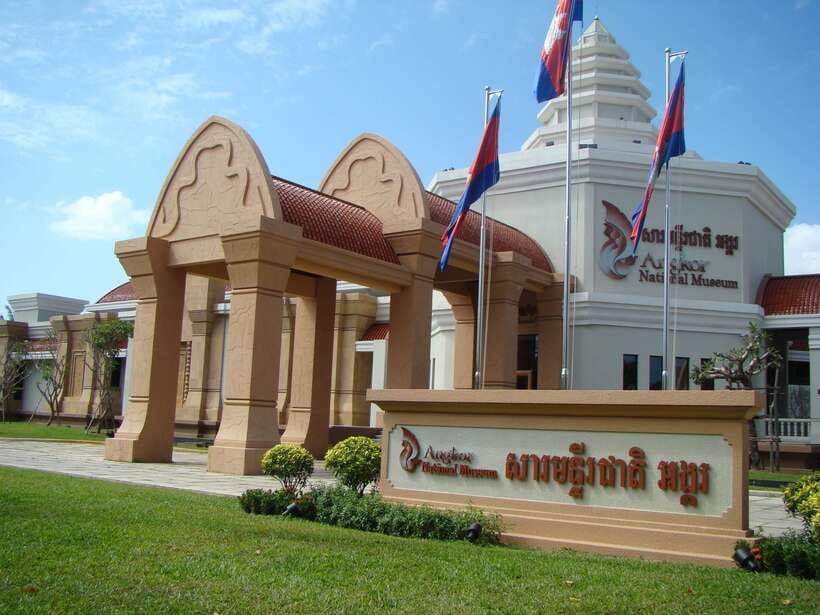
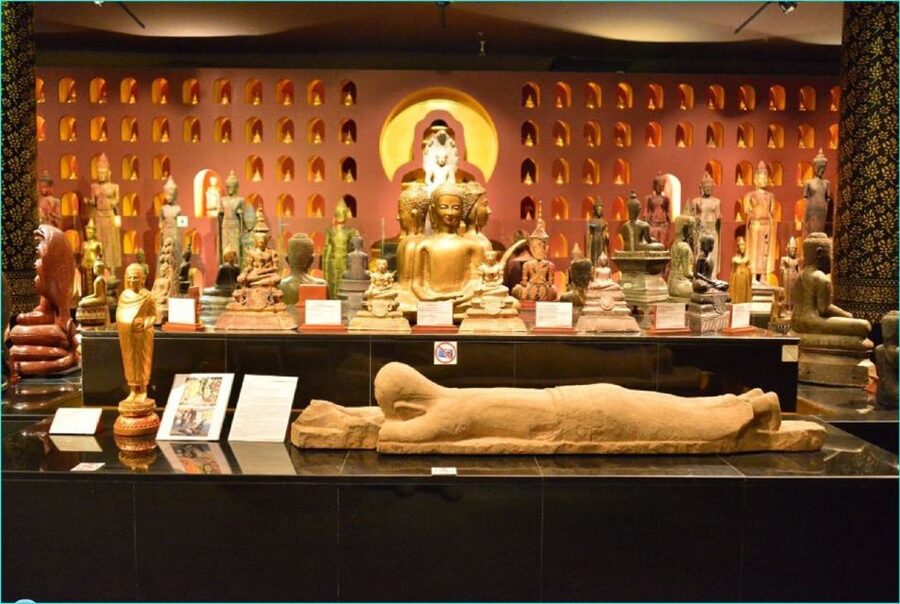
Angkor National Museum is the place to go when temple stones start raising more questions than answers. Its eight galleries trace Khmer civilization from its beginnings to the Angkor Wat and Angkor Thom eras, with a remarkable gallery of 1,000 Buddha statues at the heart of the visit.
I like the simple tuk-tuk pickup and the way the museum gives you a map to explore at your own pace. I also like the timing: two hours is long enough to gain useful context without taking a full day from the temples. The main drawback is that the audio guide costs extra, so the map alone may feel a little thin if you want detailed explanations.
Key points to know before you go
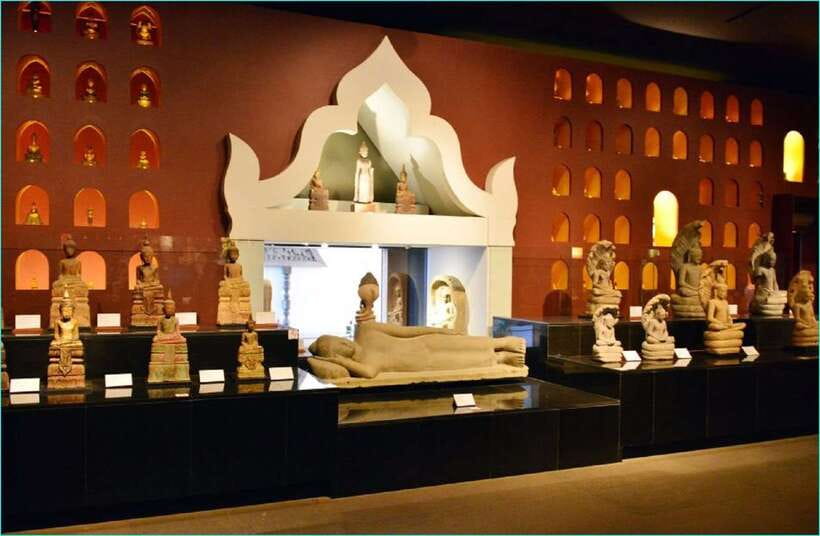
- See 1,000 Buddha statues in one gallery: This is the museum’s most memorable visual collection and a useful introduction to Khmer religious art.
- Follow eight chronological galleries: The layout helps you connect early Khmer culture with the later Angkor Wat and Angkor Thom periods.
- Use the tuk-tuk pickup as a practical extra: One-way hotel pickup is included, but you must provide your hotel name or location in advance.
- Visit before the temples for context: The museum can make architecture, customs, religion, and traditions easier to understand at Angkor’s major sites.
- Plan for a self-guided visit: You receive a map, while the audio tour set is not included in the $26 price.
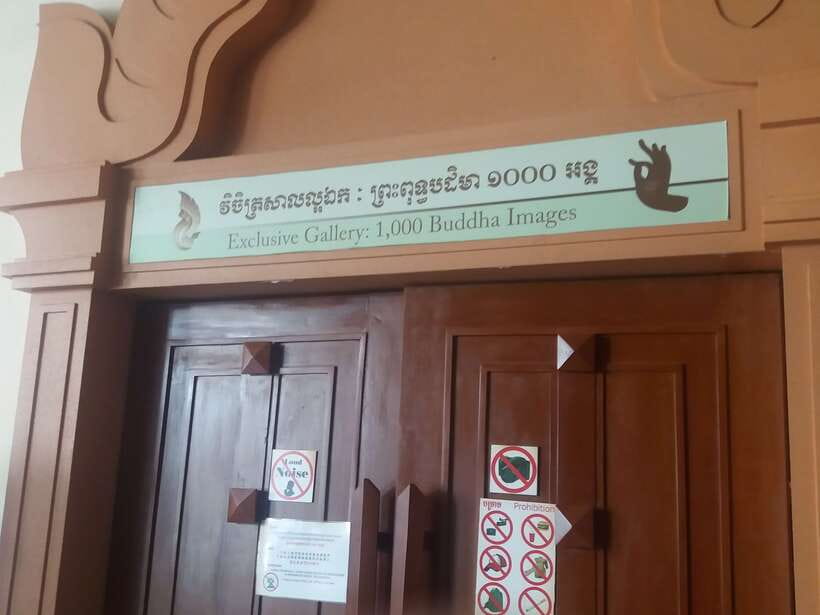
- Leave backpacks and pets behind: Both are listed as not allowed inside the museum.
Why the museum belongs in your Angkor plan
The Angkor National Museum works best as a companion to the temples, not as a replacement for them. At Angkor Wat, Angkor Thom, and the surrounding sites, you see carved stone, towers, galleries, and religious symbols. At the museum, you get the background needed to make sense of those details.
That matters because temple sightseeing can become a blur of dates and names. The museum puts the story into a sequence. You begin with the creation of Khmer civilization, then move through its customs, beliefs, artistic traditions, and architectural development until you reach the high point associated with the Angkor era.
I would visit before heading out to the temples if your schedule allows. One visitor specifically found that the museum helped with understanding the culture, religion, and traditions seen at Angkor Wat and the other sites. That is the museum’s real value: it gives you a mental framework before the sun, heat, and sheer scale of the temple zone take over.
A visit after the temples can also work. Once you have seen the monuments, the museum’s objects may answer questions that came up during your sightseeing. You may recognize religious themes or architectural ideas that seemed abstract when you first encountered them in stone.
More Angkor Wat Tuk Tuk Tours in Siem Reap:
- Siem Reap: Angkor Wat Private Tuk-Tuk Tour
★ 4.9 · 2,222 reviews - Angkor Wat Private Tuk-Tuk Tour (sunrise Option) & more
★ 5.0 · 439 reviews - Angkor Wat Private Tour by Tuk-Tuk with English Speaking Driver
★ 5.0 · 142 reviews
Getting there by tuk-tuk from your hotel
The experience includes one-way pickup from your hotel, which is a useful touch in Siem Reap. You do not have to arrange a separate ride to the museum, and the tuk-tuk gives you a quick local-style transfer rather than a formal private car.
You must provide the hotel name or location before the visit. You also need to give a contactable phone number and arrange the pickup time with the provider. The instructions are clear on one important point: wait in your accommodation’s lobby for the driver.
This is not a round-trip transfer. The included transport takes you from your hotel to the museum only. You will need to arrange your own ride afterward, unless you make a separate plan.
The driver is listed as English-speaking, though this is transport rather than a full museum guiding service. Once inside, you explore with the supplied map. If you want spoken commentary throughout the galleries, you need to pay separately for the audio tour set.
Allow a little patience for the pickup arrangement. The instructions stress that the driver cannot find you without the hotel name or location, and you need to have the ticket provided by the operator to enter. Give the information clearly before you go rather than trying to sort it out at the last minute.
The first galleries: building a Khmer story
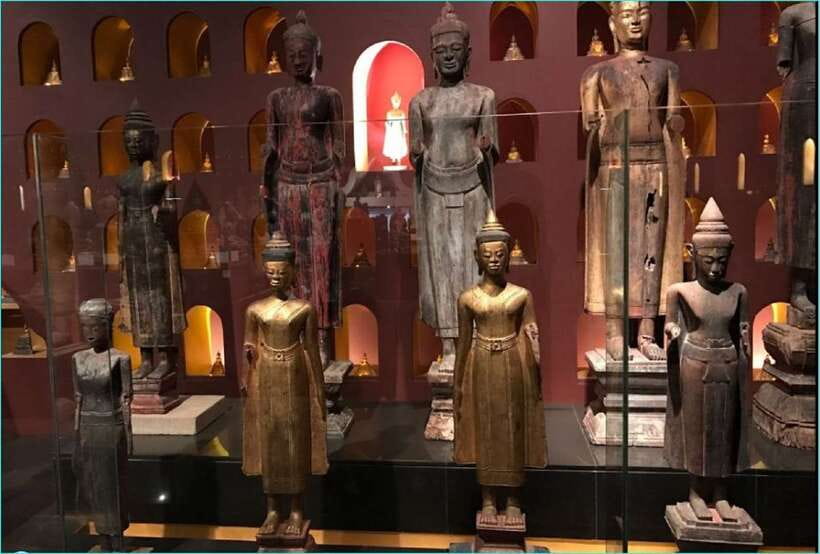
The museum divides its material into eight chronological galleries. That order is important. Instead of presenting objects as unrelated pieces, it lets you follow the development of Khmer civilization over time.
The early sections introduce the origins of the Khmer Empire and the beliefs that shaped its culture. You can expect the galleries to focus on customs, traditions, and religious ideas, helping you see how daily life and worship connected with the monuments that came later.
The museum uses realistic atmospheric settings to support the presentation. That can make the experience more engaging than a plain room of display cases, though visitors who prefer a quiet, minimalist museum may find the presentation more staged than scholarly.
You receive a map to guide your route. I would use it to keep the chronology intact rather than wandering randomly. The point of the visit is not simply to count artifacts. It is to watch ideas develop from one gallery to the next.
The information is especially useful if this is your first serious introduction to Khmer culture. You may find that the chronological layout helps you remember the difference between early religious traditions and the architectural world associated with Angkor Wat and Angkor Thom.
The 1,000 Buddha statue gallery
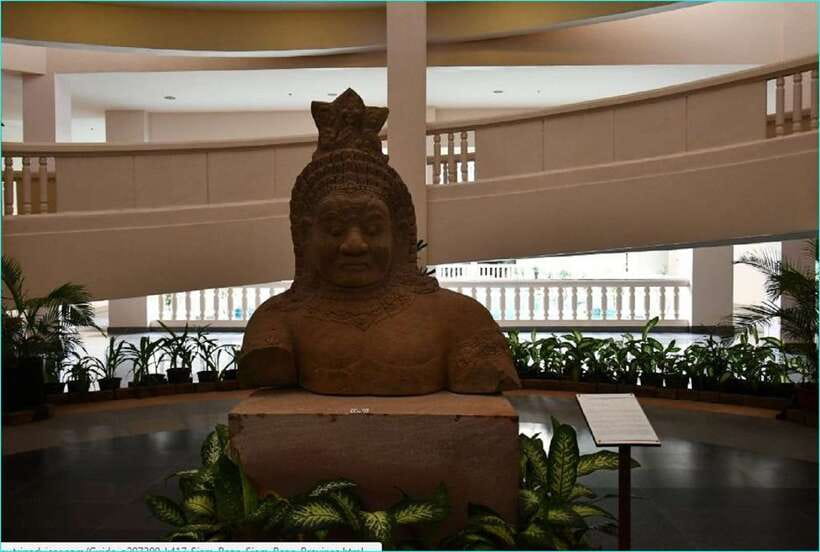
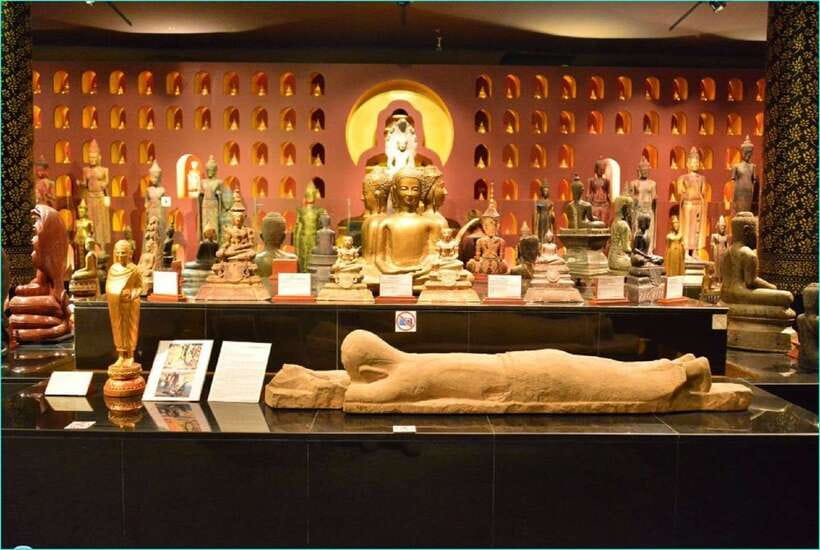
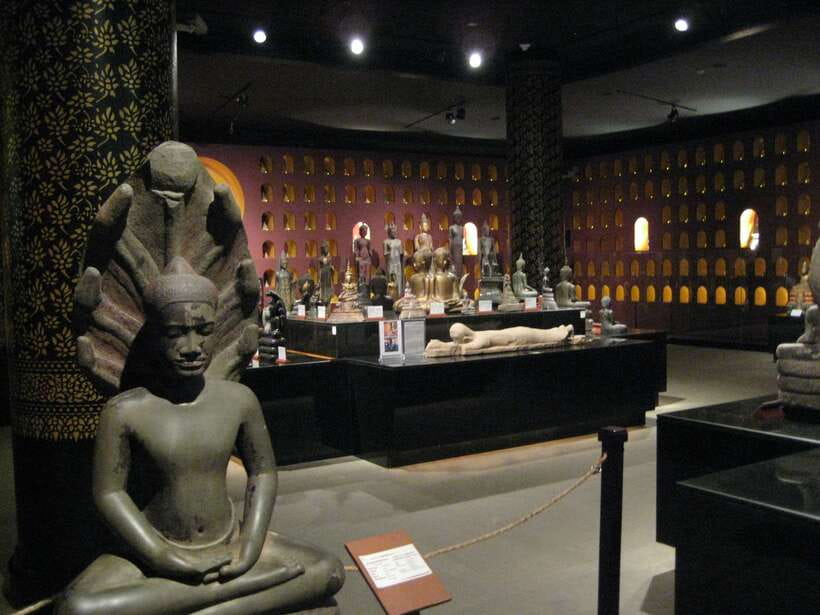
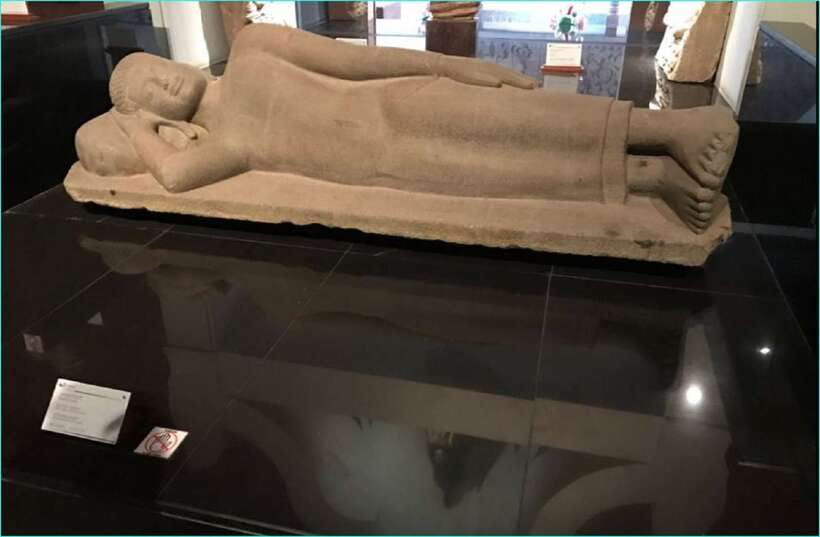
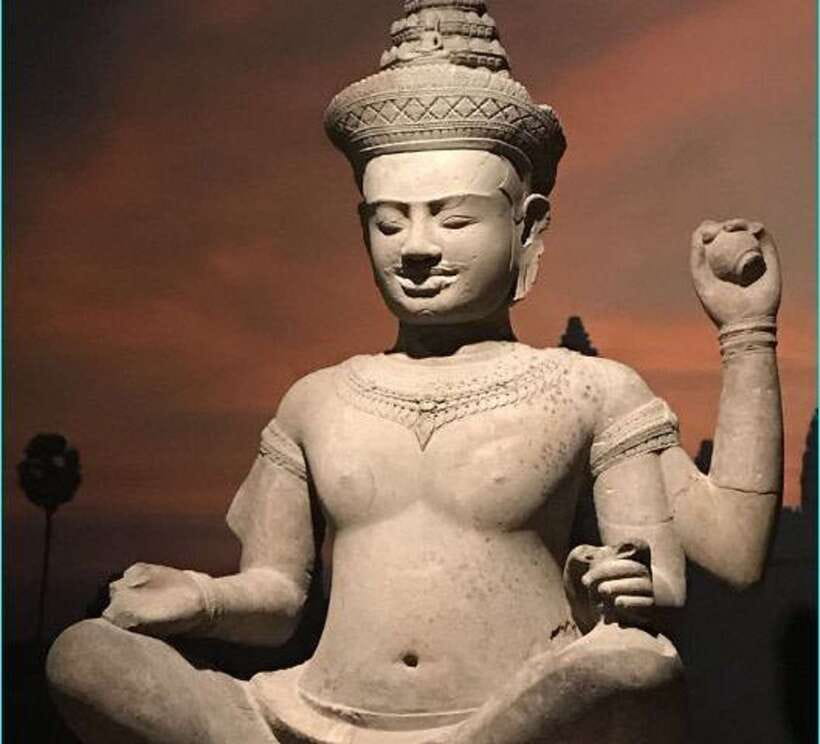
The gallery of 1,000 Buddha statues is the museum’s clearest visual highlight. A large grouping of religious images gives you a sense of how Buddhist art can vary in pose, expression, scale, and period, even when the central subject remains familiar.
This is the sort of room that benefits from time. Do not rush through it simply because you have a temple visit later. The sheer number of statues creates an effect that a single image cannot provide. You see repetition, but you also notice differences.
The collection also gives useful context for Cambodia’s religious traditions. The museum’s broader aim is to explain different beliefs of the ancient Khmer Empire, and this gallery makes that subject visible rather than purely theoretical.
If you purchase the audio guide, the collection may become easier to interpret. One visitor used an audio guide with headphones and found it added considerably to the experience, with a German option available at that time. Since the audio tour is not included, check current availability and language choices before relying on it.
Without the audio guide, the map still lets you move through the museum, but you may need to read the displays carefully and accept a more independent visit. That is fine for a quick orientation. If you want detailed explanations of individual objects, budget for the extra audio option.
A few more rides around Siem Reap worth a look
- Bantey Srei, Kbal Spean and Landmine museum Private Tuk-Tuk
★ 4.7 · 30 reviews - Bantreay Srei , Kbal Spean and Landmine Museum with Tuk Tuk
★ 4.4 · 9 reviews - Tuk tuk Tour Tavira Total – 2h00 – Includes Tuna Museum and Fishing Village
★ 5.0 · 71 reviews - Funchal: Old Town Tuk Tuk Tour with Drop-Off at CR7 Museum
★ 4.9 · 64 reviews
Angkor Wat and Angkor Thom in context
The museum’s sections on the Angkor Wat and Angkor Thom eras are particularly useful before a temple day. You can look at the architecture later with more questions in mind: why certain forms appear, how religious ideas shaped design, and how Khmer building traditions changed over time.
The experience does not replace standing at Angkor Wat or walking through Angkor Thom. A museum cannot reproduce the size, weather, stonework, or setting of those monuments. What it can do is provide the basic vocabulary to help you notice more when you reach them.
I find this kind of preparation worthwhile because major archaeological sites can overwhelm you. Without context, the towers and carvings may be beautiful but disconnected. After two hours at the museum, you have a better chance of linking architecture with religion, power, custom, and artistic practice.
The visit also works well after the temples if your schedule is already fixed. In that order, you bring your own questions into the galleries. You might recognize a design idea from the monuments or better understand the beliefs behind an image you saw earlier.
How long the two-hour visit feels
The listed duration is two hours, which gives you enough time for a focused visit through all eight galleries. It is not an all-day museum program, and there is no indication that a live guide leads you room by room.
Your pace will depend on how much you read and whether you use the audio guide. A quick visitor can move through the main displays within the scheduled period. Someone studying the artifacts and listening to commentary may need to keep an eye on the clock.
The museum is best treated as a structured introduction rather than a place to linger for an entire afternoon. Two hours gives you a useful balance: enough substance to improve your temple visits, but not so much museum time that you lose a major sightseeing window in Siem Reap.
The map is helpful here. You can see how the galleries fit together and avoid missing a section. I would set aside time for the Buddha statue gallery, then follow the chronological route rather than spending the entire visit in the first rooms.
What the $26 price includes
At $26 per person, the price covers museum admission and one-way hotel pickup by tuk-tuk. That is reasonable if you value the convenience of having transport arranged and plan to use the museum as part of a wider Angkor itinerary.
The price does not include the audio tour set. It also does not include personal or other expenses. This means the basic experience is a museum visit with a map, not a fully guided tour with a guide explaining every display.
I would judge the value in two parts. First, the museum gives you organized cultural and historical context that can improve your temple sightseeing. Second, the pickup removes one small transport task from your day. If you already have easy access to a tuk-tuk and prefer to read displays on your own, the transport adds less value.
The ticket becomes more appealing for first-time visitors who want an introduction before tackling the Angkor sites. It is less compelling for someone looking only for a short ride or a quick photo stop. The museum asks for attention, so book it because you want the background, not simply because entry is convenient.
Practical details that affect your visit
Backpacks are not allowed, so travel light. Pets are also not allowed. The supplied information does not give a detailed luggage-storage policy, so avoid arriving with a large bag that may create a problem.
Bring your hotel details and a phone number that can be reached. The pickup depends on accurate information, and the driver needs to know where to find you. Wait in the lobby at the agreed time.
The activity is offered in English, and the driver is listed as English-speaking. Remember that the driver is handling pickup, while the museum visit itself is self-guided with a map unless you add the audio tour.
You can cancel up to 24 hours in advance for a full refund. The reserve-now, pay-later option also lets you hold a place without paying immediately, which is handy when your temple schedule may change.
The experience provider is Euro Khmer Voyages. The booking information says you need the ticket from the provider to enter, so make sure you have received the necessary ticket details before setting off.
Who will get the most from this visit
This museum suits first-time visitors to Angkor who want a clearer introduction to Khmer culture before seeing the temples. It is also useful for anyone who enjoys archaeology, religious art, architecture, or chronological displays.
Families and mixed-interest groups may appreciate the two-hour length. You get a meaningful cultural stop without committing an entire day indoors. The map also allows each person to move at a comfortable pace.
Independent visitors should be happy with a self-guided format. You can move through the galleries without following a group or matching a guide’s pace. If you want extensive interpretation, add the audio tour if available in a language you prefer.
It may not suit you if you want a round-trip transfer, a live guide, or a highly hands-on activity. The included tuk-tuk ride is one way, and the basic ticket does not include the audio commentary.
Should you book the Angkor National Museum ticket?
Book it if you want your temple visits to mean more than a sequence of impressive photographs. The museum’s eight galleries, chronological layout, and collection of 1,000 Buddha statues give you a useful foundation for understanding Khmer religion, customs, and architecture.
I especially recommend visiting before Angkor Wat and Angkor Thom, then using what you learn when you see the monuments. The one-way tuk-tuk pickup is convenient, and the $26 price is fair for admission plus transport.
Skip it if your schedule is already packed, you dislike museum displays, or you need a fully guided experience included in the ticket. Otherwise, this is a sensible two-hour addition to a Siem Reap itinerary, with the audio guide as the main extra to consider.
FAQ
How long does the Angkor National Museum experience last?
The stated duration is two hours. You can use that time to explore all eight chronological galleries with the provided map.
What is included in the $26 price?
The price includes admission to the Angkor National Museum and one-way pickup from your hotel by tuk-tuk.
Is return transportation included?
No. The included tuk-tuk service is one-way, from your hotel to the museum.
Do I need to provide my hotel details?
Yes. You should provide your hotel name or location so the driver can find you, and you should wait in your accommodation’s lobby for pickup.
Is an audio guide included?
No. The audio tour set is not included in the ticket price. An audio guide, including a German option at one point, was available separately, but you should check current availability.
Can I cancel for a full refund?
Yes. You can cancel up to 24 hours in advance for a full refund.
What is not allowed inside the museum?
Pets and backpacks are not allowed.
Just added around Siem Reap
- 2 Days Tuk Tuk Private Tour of Angkor★ 5.0 · 11 reviews
- Angkor Wat Sunset TUK TUK Tour★ 5.0 · 4 reviews
- Amazing full day TUKTUK tour★ 5.0 · 4 reviews
- Full Day Angkor Complex by Tuk Tuk – (Optional Sunrise)★ 5.0 · 6 reviews
- Full-Day Angkor Temple Discovery with Banteay Srei by Tuk-Tuk★ 5.0 · 7 reviews
- Siem Reap Morning Market & Food Tour by Tuk Tuk★ 5.0 · 5 reviews
- Siem Reap Evening Street foods Tours by Tuk Tuk★ 5.0 · 37 reviews
- Guided Private Tuk Tuk Tour Angkor Wat and Small Circle and Five Extras★ 5.0 · 3 reviews
Siem Reap Tuk Tuk Tours, compared.

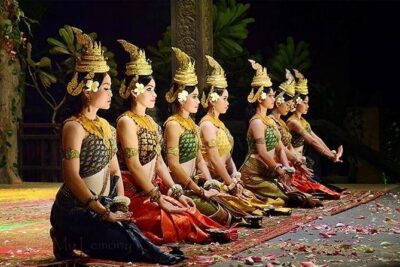
Apsara Dance Show & Dinner with Tuk-Tuk Transfers
Read our review →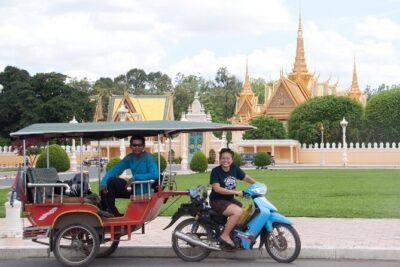
Angkor Wat Private Tour by Tuk-Tuk with English Speaking Driver
Read our review →
Browse the lists this tour appears in