
Review · CHIANG MAI
Full-Day Guided Tuk Tuk Chiang Mai Adventure and Rafting
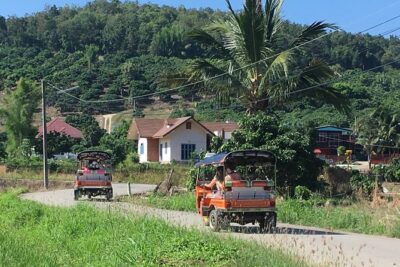
The most unusual part of this Chiang Mai day is simple: you drive the tuk tuk. After instruction and practice, you leave the city behind and steer through rural Mae Wang, stopping at a mountain temple, an elephant home, and a local river. I like that the day gives you more than a ride to attractions. You take part in each stop, from feeding elephants to paddling a bamboo raft.
I also like the small-group setup, capped at 18 people, and the care shown by guides such as Bigg, Oa, and Nam. They teach the driving, keep an eye on the group, and help make the day feel personal. The main drawback is the long, full schedule, plus a few practical limits: rafting can be shorter when water levels are low, and the tuk tuk throttle may feel stiff.
Key points at a glance
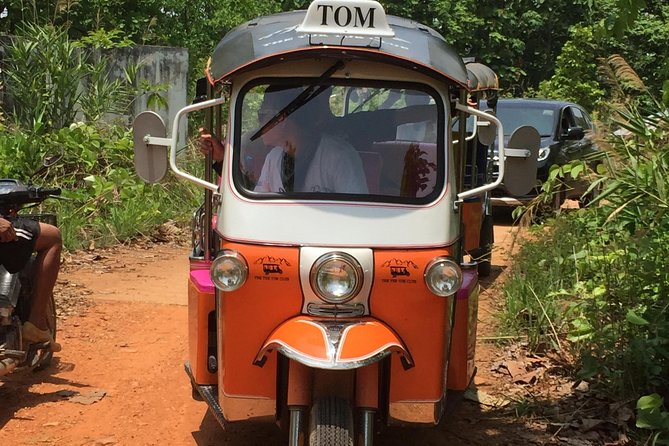
- You drive a specially built tuk tuk: Each vehicle carries up to three people, and training includes practice before you head onto the road.
- Mae Wang replaces the usual city circuit: You visit farming communities, rural roads, a remote mountainside temple, and a local river.
- Elephant care is hands-on but no riding is allowed: You help feed and bathe the elephants as part of an activity centered on their daily care.
- Bamboo rafting adds a quiet change of pace: The river float is gentle, though the length can vary with river conditions.
- Lunch, water, and transfers are included: A vegetarian meal is available if requested when booking.
- Plan for driving clothes: Wear trainers or running shoes, bring spare clothing for rafting, and carry a valid driving license.
Why this 10-hour Chiang Mai day feels different
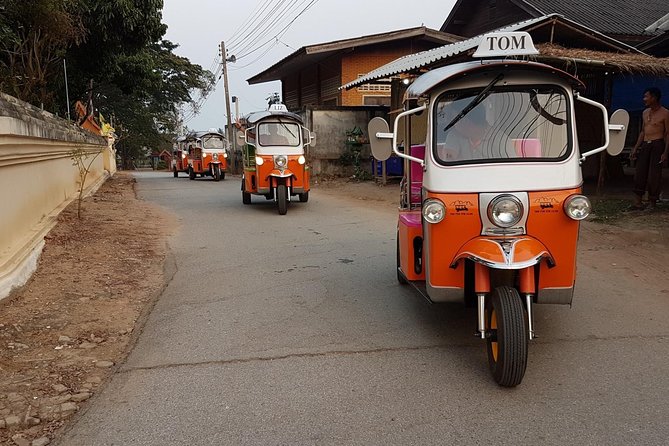
Many day trips from Chiang Mai place you in a van and move you from one stop to the next. This one asks you to handle the most memorable piece of transport yourself. The tuk tuk is a specially designed Bangkok-style vehicle, with three people assigned to each tuk tuk.
That makes the ride part of the attraction, not just a way to reach it. You first learn how to operate the vehicle, then practice before setting out. One part of the training includes an obstacle course, which gives you a chance to get used to the controls before dealing with rural roads.
I would not treat this as a casual photo opportunity. Anyone who wants to drive needs a valid license from their home country. The driving also requires attention, especially if you are used to controls on the opposite side. One American participant needed time to get used to shifting with the left hand, but the training helped make the process manageable.
The day runs for about 10 hours, with roughly eight hours listed for the Mae Wang portion. That is a substantial outing. You get several different activities, but you should expect a busy day rather than a slow, unplanned wander through the countryside.
A few more rides around Chiang Mai worth a look
- Full Day Chauffeur Driven Tuk Tuk Adventure in Chiang Mai including rafting
★ 5.0 · 19 reviews - Malta: Gozo Full-Day Tuk-Tuk Tour and Lunch
★ 4.5 · 734 reviews - Jaipur: Private Full-Day Sightseeing Tour by Tuk-Tuk
★ 4.8 · 573 reviews
Leaving Chiang Mai for Mae Wang
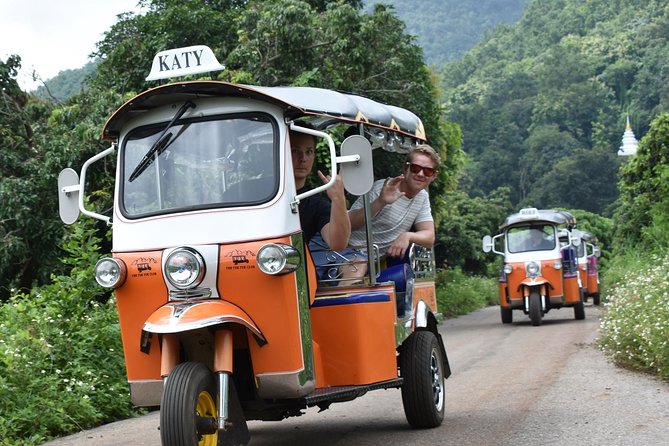
The tour begins at 8:00 a.m. and takes you toward Mae Wang District, an area known here for its rural communities, mountain setting, temple visits, elephants, and river activities. The tour includes transfers to and from Chiang Mai city, but hotel pickup and drop-off are not included. You need to reach the designated meeting point.
That detail matters. If you are staying near the center of Chiang Mai, allow time to reach the starting point in the morning. Confirm the meeting instructions before the day begins, since the included transfer is tied to the designated point rather than every hotel.
Once the group reaches the Mae Wang area, the pace becomes more active. The route brings together several experiences that would be awkward to combine independently in one day. You get the local vehicle, a guide, food, wildlife care, a temple, and rafting without arranging separate transport between them.
The group can include up to 18 people, although the tuk tuks divide the larger group into smaller units. That is a useful balance. You are not on a private tour, but you also are not joining a huge coach group where every stop becomes a queue.
Learning to drive your own tuk tuk
The training is one of the most important parts of the day. You receive instruction before driving on the road, then have time to practice. This is where guides such as Bigg and Oa earn their keep. Their role is not only to explain the controls, but also to help you feel ready before the route begins.
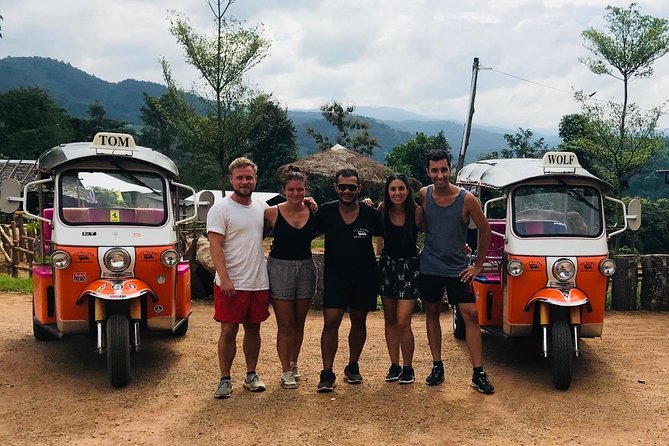
The vehicles are built for this tour, and each carries three people. That arrangement works well for couples, families, or small groups of friends. If only one person in your party wants to drive, you can still share the vehicle, but the license requirement applies to anyone who takes the wheel.
Driving a tuk tuk is fun because it makes the countryside feel more immediate. You are not looking through a van window while someone else handles the road. You notice the bends, the sound of the engine, and the changing rhythm of the trip.
There are some tradeoffs. One person found the throttle unusually stiff, and the operator was addressing the problem. Controls can vary from one vehicle to another, so tell your guide if something feels difficult or unsafe. Wear trainers or running shoes rather than sandals or flip flops. They give you better control and protect your feet during the driving practice.
A remote temple and village life
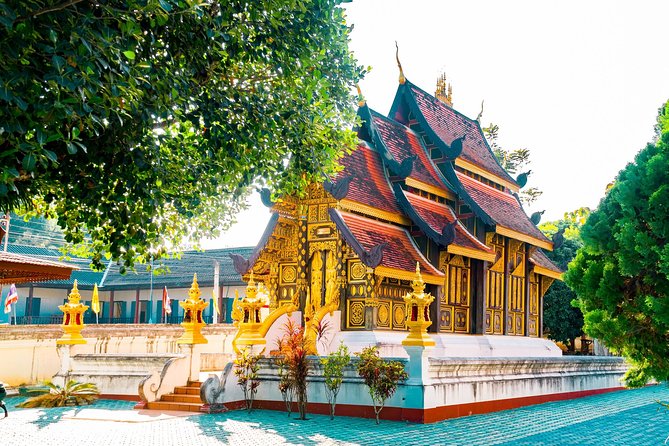
The temple stop gives the day a cultural pause. Rather than visiting one of Chiang Mai’s best-known city temples, you head to a remote mountainside temple and learn about the monks and the village setting around it.
The appeal is the setting and the smaller scale. You get a glimpse of how a temple fits into everyday life away from the city center. The visit also breaks up the driving, giving you time to walk, look around, and listen to the guide.
The description of the day includes seeing monks at work. Keep your behavior respectful: dress sensibly, follow the guide’s instructions, and remember that this is a working religious place rather than a stage set for sightseeing. The visit may be especially worthwhile if you want to see a quieter side of northern Thailand.
Do not expect a long architectural tour or a major historical lecture. The information provided focuses on the temple, the monks, and village life. Its value comes from the setting and the connection with the local community, not from a checklist of famous monuments.
Same streets, a different route:
- Chiang Mai Temples and Market Tuk-Tuk Evening Night Tour
★ 4.5 · 201 reviews - Private Chiang Mai Old City Half Day Tuk Tuk Tour
★ 4.5 · 157 reviews - Chiang Mai: Exploration of Old City by Private Tuk-Tuk
★ 4.3 · 127 reviews - Chiang Mai Temples and Market Tuk Tuk Night Tour
★ 5.0 · 95 reviews
Feeding and bathing elephants without riding
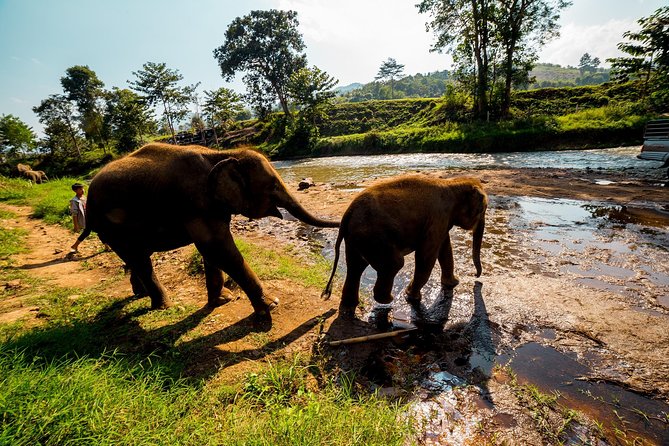
The elephant stop is one of the strongest parts of the experience. You visit a small elephant home, watch the animals being fed and bathed, and take part in those activities. Crucially, elephant riding is not allowed.
That makes the stop more compatible with a care-focused approach. You are close to the elephants, but the activity is centered on feeding and bathing rather than carrying people. The setting is described as a place where you can see the animals’ daily routine, which gives this stop more purpose than a brief roadside photograph.
You should still listen carefully to the guide and follow instructions around the animals. Elephants are powerful, even when calm, and the experience works best when you let the staff control the pace and distance.
Guides such as Nam are particularly involved in making this part understandable and organized. The guide can answer questions, help with photographs, and make sure the group stays involved without crowding the animals. Families often find this the highlight, but it also suits adults who want an elephant encounter without riding.
Thai lunch and a needed break
Lunch is included, with a vegetarian option available if you request it at booking. The meal is a practical part of the day, but it also adds to the sense that this is a full regional outing rather than a string of admission-ticket stops.
After driving, visiting the temple, and spending time with elephants, you will appreciate having food built into the schedule. Bottled water is included as well. I would still bring any personal snacks or drinks you know you need, since the supplied details do not specify a full range of dietary choices beyond the vegetarian option.
The lunch is praised for its quality and hospitality, but you should not book this expecting a food-focused tour. The meal supports the day’s activities. It is not the central event.
Bamboo rafting on the local river
The final major activity changes the mood completely. After the road-based tuk tuk adventure, you float gently downstream on a bamboo raft. It is a quieter way to see the Mae Wang area and gives your hands a rest after driving.
The rafting is described as a local river experience, not a white-water thrill ride. If you want speed, rapids, or a demanding paddle, this is not the right trip. If you like a calm float after a busy day, it fits well.
River conditions affect the experience. A lack of rain can lower the water and shorten the rafting section. That is worth keeping in mind when comparing this tour with an adventure built around rafting alone. Here, the raft is one part of a varied day, so a shorter float does not remove the main attraction, but it can change the balance of the schedule.
Bring spare clothes. Even gentle rafting can leave you wet, and changing afterward will make the transfer back to Chiang Mai far more comfortable.
What the $193.62 price gets you
At $193.62 per person, this is not a budget sightseeing trip. The value depends on how many parts of the day you would otherwise arrange separately.
The price includes a professional local guide, tuk tuk driving instruction, use of the specially built vehicle, the temple visit, elephant activities, bamboo rafting, lunch, bottled water, and transfers to and from Chiang Mai city. You are also paying for the planning needed to connect these activities in a single day.
I think the price makes the most sense for you if the tuk tuk driving is a major reason for booking. That is the feature that makes this outing different from a standard countryside tour. It also works well for couples or families who want several active stops without hiring separate transport.
The value is weaker if you mainly want a temple visit or a long elephant encounter. In that case, a more focused tour may give you more time at one attraction. This day spreads your time across driving, temple life, elephants, lunch, and rafting. That variety is its strength, but it also means no single stop receives the whole day.
The tour is booked, on average, about 150 days in advance. That suggests planning ahead is sensible, especially if your Chiang Mai dates are fixed. The group limit of 18 helps protect the experience from becoming too crowded.
Who should book this Chiang Mai adventure?
I would choose this for an active couple, a family with older children, or a small group of friends who want to do more than sit in a vehicle. The minimum age is 7, and children must be accompanied by an adult. Most people can take part, but the day includes driving, walking around a temple, outdoor elephant activities, and rafting.
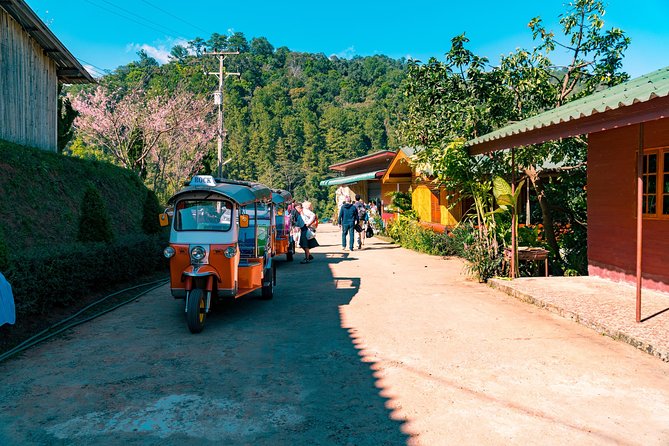
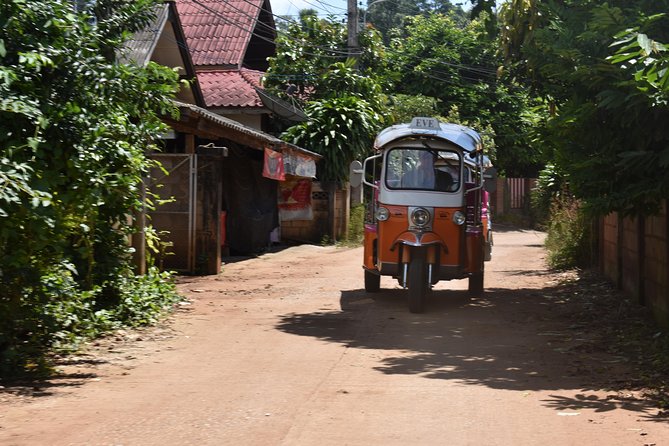
It is also a good fit for someone who wants a more rural view of Chiang Mai. The route reaches farming communities and mountain areas that you would not see on a standard city tour. You get a stronger sense of the countryside because you are moving through it in an open, distinctive vehicle.
I would think twice if you dislike long days, do not want to drive, or have mobility needs that make the mixed activities difficult. The tour is designed for participation. The driving is not optional for everyone in the group, and the rafting and elephant care require you to be comfortable outdoors.
Service animals are allowed, and the tour is near public transportation, but the supplied information does not detail the level of access at every stop. If you have specific mobility or access concerns, contact the provider before booking.
Practical preparation for the morning
A few small choices will make the day easier:
- Bring a valid driving license if you plan to operate the tuk tuk.
- Wear trainers or running shoes, not flip flops or loose sandals.
- Pack spare clothes for the rafting.
- Request a vegetarian lunch when booking if needed.
- Confirm the designated meeting point, since hotel pickup and drop-off are not included.
- Expect an early start at 8:00 a.m. and a day lasting about 10 hours.
- Keep your schedule flexible enough for river conditions and countryside travel.
Free cancellation is available if you cancel at least 24 hours before the start time. Changes or cancellations made later are not accepted for a refund.
Should you book the Full-Day Tuk Tuk Chiang Mai Adventure?
Book it if you want your transport to be part of the fun. Driving through rural Mae Wang, learning from guides such as Bigg, Oa, or Nam, feeding and bathing elephants without riding them, visiting a remote temple, and floating a bamboo raft create a varied day that is hard to copy on your own.
Skip it if you want a relaxed, single-focus tour or if you are not comfortable driving. The day is long, the raft section may shorten when water is low, and the price is high compared with a simple temple visit. For the right person, though, the combination of participation, countryside roads, elephant care, and small-group guiding gives the $193.62 fare a solid reason.
FAQ
How long does the tuk tuk and rafting experience last?
The experience lasts approximately 10 hours, with about eight hours listed for exploring Mae Wang District.
What time does the tour start?
The stated start time is 8:00 a.m.
Do I need a driving license to operate a tuk tuk?
Yes. Anyone who wants to drive must have a valid driving license. A license from your home country is accepted.
How many people can ride in each tuk tuk?
Each specially designed Bangkok-style tuk tuk carries three passengers.
Is elephant riding included?
No. Elephant riding is not allowed. The elephant activities include feeding and bathing.
Is lunch included?
Yes. Thai lunch and bottled water are included. A vegetarian option is available if you request it when booking.
Should I bring anything special?
Wear trainers or running shoes instead of sandals or flip flops for driving. Spare clothing is recommended after the rafting.
Is hotel pickup included?
No. Transfers to and from Chiang Mai city are included, but you need to use the designated meeting point rather than expecting pickup and drop-off at your hotel.
Just added around Chiang Mai
- Half Day Chiang Mai City and Culture tour by Electric Tuk Tuk (Private Tour)★ 5.0 · 4 reviews
- Sunlight or Moonlight: Chiang Mai City Tuk Tuk Tour★ 5.0 · 7 reviews
- Private Evening! Crisscross Chiang Mai’s Night by the classic Tuk Tuk★ 4.5 · 6 reviews
- Half day Best of Chiang Mai City by Tuk-Tuk Private tours★ 4.5 · 5 reviews
- Half Day Chiang Mai City and Cultural by TukTuk, Samlor & Red car (Private Tour)★ 5.0 · 6 reviews
- Chiang Mai City Tuk Tuk Tour – Half Day★ 5.0 · 45 reviews
- Half Day Private Chiang Mai Trishaw Ride and Mae Ping River Cruise★ 4.5 · 6 reviews
- Full Day Chauffeur Driven Tuk Tuk Adventure in Chiang Mai including rafting★ 5.0 · 19 reviews
Chiang Mai Tuk Tuk Tours, compared.
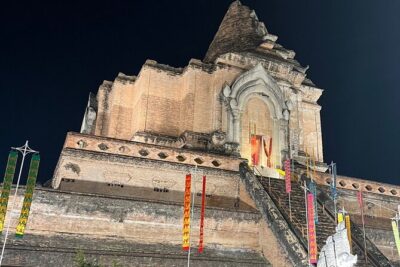
Chiang Mai Temples and Market Tuk-Tuk Evening Night Tour
Read our review →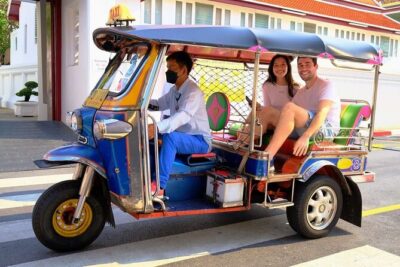
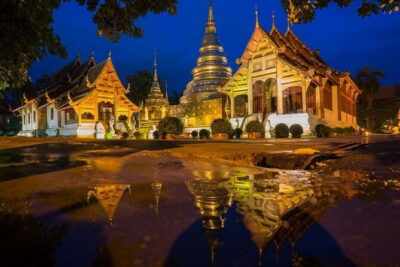
Chiang Mai Temples and Market Tuk Tuk Night Tour
Read our review →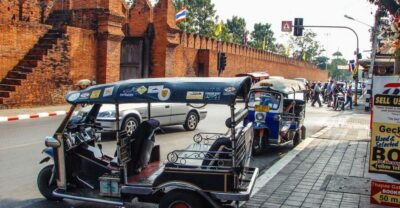
Private Tuk Tuk Tour of City Temples With Pickup
Read our review →
11 Day Tuk Tuk Adventure in Northern Thailand
Read our review →
Browse the lists this tour appears in