Review · SIEM REAP
Siem Reap: Angkor Wat Tour Explore The Most Iconic Temples
Angkor Wat is only the beginning here. This eight-hour private tour links the famous temple with atmospheric Ta Prohm, quieter Banteay Kdei, unfinished Ta Keo, and face-covered Bayon. I like the practical route and the personal transport, especially when a driver such as Ray, Chamrong, Lay, or Soka is waiting at each temple with cold water and a cool towel.
I also like the choice of a sunrise start, which gets you to Angkor Wat before the main daytime heat and crowds. The main tradeoff is that the $24 price covers a group of up to two, transport, water, and towels, but not the Angkor Temple Pass or meals. You also need to be ready for a long day of uneven walking.
Key points to know before booking
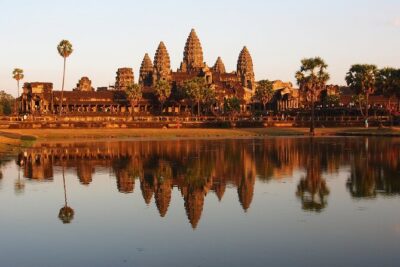
- Sunrise begins at Angkor Wat, with the temple towers reflected in the moat before the main crowds arrive.
- Banteay Kdei brings a quieter mood, with ruined corridors and a less-visited feel than Angkor Wat or Ta Prohm.
- Ta Prohm delivers the jungle-temple scene, where giant tree roots curl over the old stone walls.
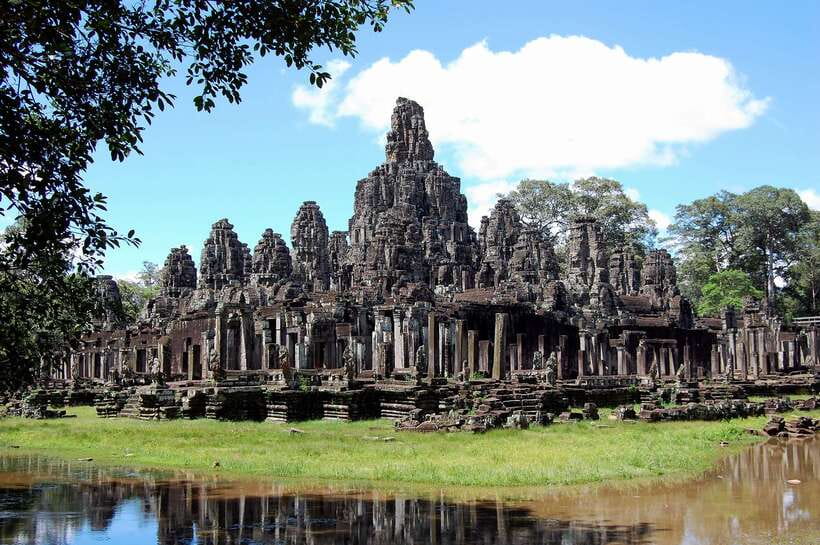
- Bayon packs 200-plus stone faces into 54 towers, along with carvings of battles and everyday life.
- Private transport keeps the day flexible, and drivers are praised for waiting outside the temples, offering directions, water, and towels.
- The temple pass costs extra, and you must cover shoulders and knees inside the sacred sites.
What this Angkor Wat day is really like
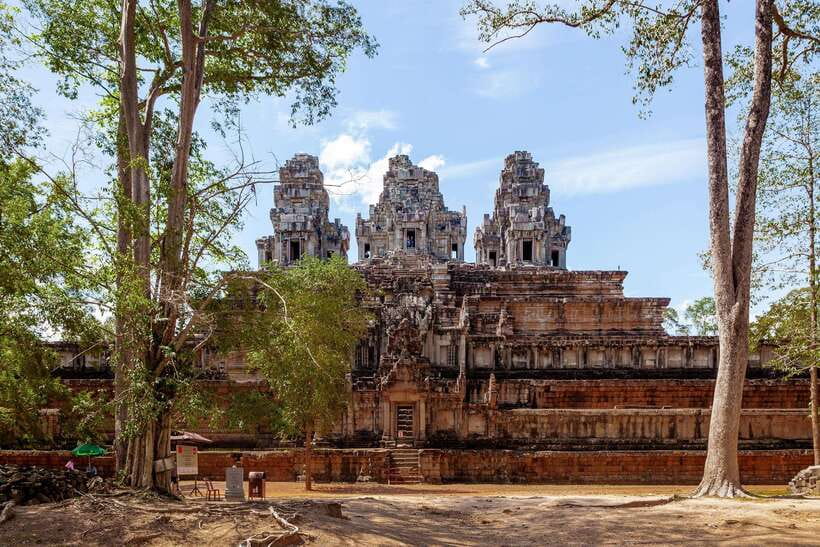
This is a temple circuit built for first-time visitors who want the major sights in one full day. You get hotel pickup in Siem Reap, private round-trip transport, unlimited bottled water, and a cool towel. The driver takes you to buy the temple pass before entering the Angkor Archaeological Park.
The listed price is $24 for a private group of up to two people. That is a strong transport value if you are a couple or traveling with one companion. It is not the total cost of the day because the entrance ticket and food are separate. You are paying for the vehicle, the route, and someone who knows where to collect you after each stop.
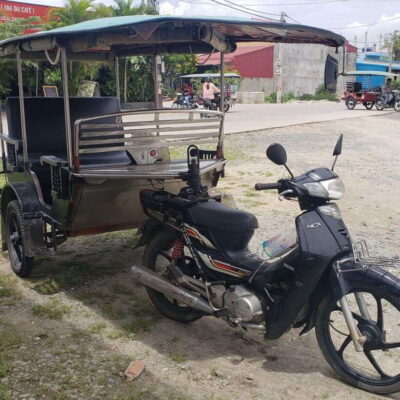
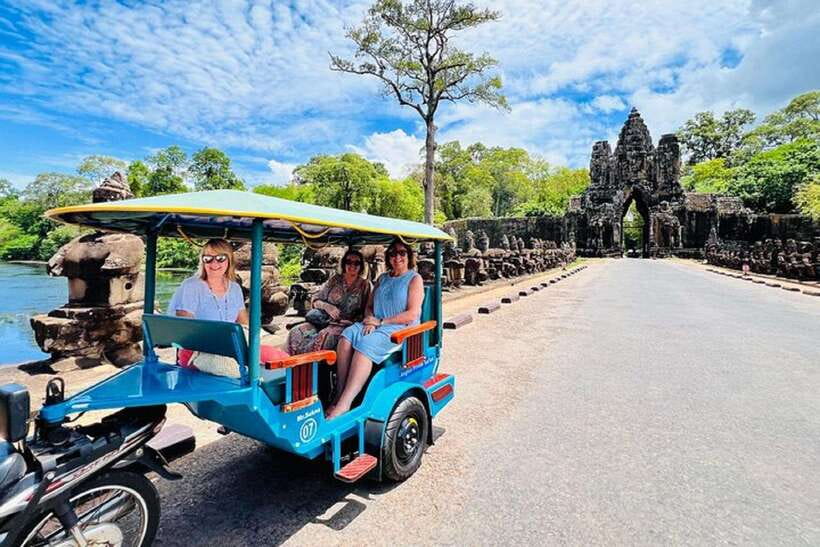
The transport is commonly a tuk-tuk based on the experience described by several customers. That matters in Siem Reap. You get an open-sided ride and a breeze between temples, rather than sitting in a sealed car all day. On a hot afternoon, that airflow can make the difference between enjoying the next ruin and simply looking for shade.
This is a private group experience, but the information describes the driver language as English rather than promising a formal archaeological guide. Some drivers provide useful temple explanations and directions. Chamrong, for example, was praised for explaining history when possible, while Lay and Soka were appreciated for managing the stops and giving information. If detailed historical commentary is your main goal, confirm exactly what guiding is included when you book.
More Temple Tuk Tuk Tours in Cambodia
- Siem Reap: Angkor Wat Private Tuk-Tuk Tour
★ 4.9 · 2,222 reviews - Angkor Wat Private Tuk-Tuk Tour (sunrise Option) & more
★ 5.0 · 439 reviews - Angkor Wat Private Tour by Tuk-Tuk with English Speaking Driver
★ 5.0 · 142 reviews
Sunrise at Angkor Wat before the crowds
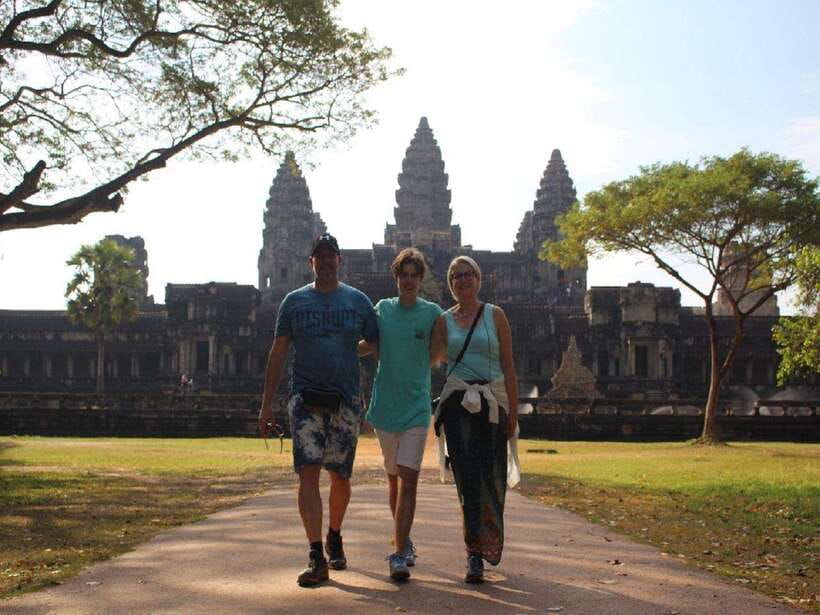
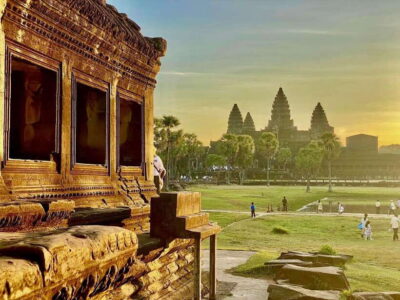
If you choose the sunrise option, pickup is early from your Siem Reap accommodation. You travel through the western entrance, described as less visited, and head toward the reflecting moat in front of Angkor Wat.
The classic view is simple but powerful: the dark temple towers gradually catch the first light while the moat mirrors their shape. You will want your camera ready, but do not spend every minute staring at a screen. The changing light is one of the few Angkor moments that cannot be repeated later in the day.
Sunrise is also useful for practical reasons. Angkor Wat is enormous, and the galleries can feel much harder in the heat. Starting early gives you cooler conditions for the first serious walk. It does not mean the whole day will be cool, though. Bring sunscreen, sunglasses, water, and shoes you can trust on stone and uneven ground.
Sunrise is an option, not the only format described. The supplied information also names Phnom Bakheng as the sunset point, but the detailed route centers on sunrise at Angkor Wat. Confirm whether a sunset stop is part of your selected option rather than assuming both are included.
Inside Angkor Wat, galleries and sacred spaces
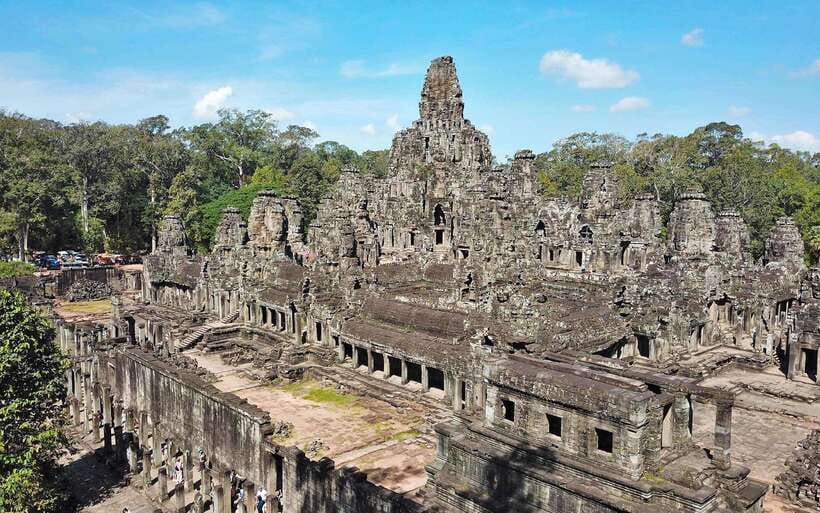
After the sunrise view, you explore Angkor Wat itself. It began as a Hindu temple dedicated to Vishnu and later became a Buddhist site. That change is visible in the religious character of the monument, but you do not need specialist knowledge to appreciate the scale.
The main reward is the combination of grand architecture and fine carving. Look for the long galleries, the detailed bas-reliefs, and the central sanctuary. The carvings draw scenes from Hindu mythology, so a driver or guide who offers context can make the stone panels easier to read.
Angkor Wat is also the most demanding stop in terms of scale. You can spend hours here and still miss corners. A short stop may leave you with a few photographs but little sense of the building. The benefit of this tour is that the route continues through other temples, yet you should still protect enough time for the monument that brought you to Cambodia.
Dress rules matter from the start. Cover your shoulders and knees. Wear comfortable walking shoes, not loose sandals that make stone steps awkward. The site is not wheelchair accessible because of uneven temple terrain, and the full day can be tiring for anyone with limited mobility.
Banteay Kdei, a quieter temple with a softer mood
Banteay Kdei means Citadel of Chambers. Built in the late 12th century as a Buddhist monastery, it offers a different experience from the monumental scale of Angkor Wat.
The temple is partly ruined, with corridors and chambers that feel calmer and less polished. That is the point. You can pay attention to the layout, weathered carvings, and shadowy passageways without the same sense of ceremony found at the headline sites.
I would treat Banteay Kdei as an important pause in the day, not as a lesser copy of Angkor Wat. The damaged stone gives it a peaceful, mysterious character. If you enjoy old structures in a half-reclaimed state, this may be one of the most satisfying stops on the route.
The drawback is that the site can be harder to understand without explanation. Its name and function are easy to miss when you are moving quickly. Ask your driver for directions and any background he can provide, then take a few quiet minutes to notice the chambers rather than rushing straight to the next photograph.
More Temple Tuk Tuk Tours in Siem Reap
- Siem Reap: Angkor Wat Private Tour by Tuk-Tuk
★ 4.5 · 117 reviews - Full-Day Private Tuk Tuk Tour of Angkor Wat Temples
★ 5.0 · 107 reviews - Private one-day tuktuk ‘small tour’ of the oldest Angkor temples
★ 5.0 · 104 reviews - Angkor Wat Private Tour in a Tuk Tuk
★ 5.0 · 69 reviews
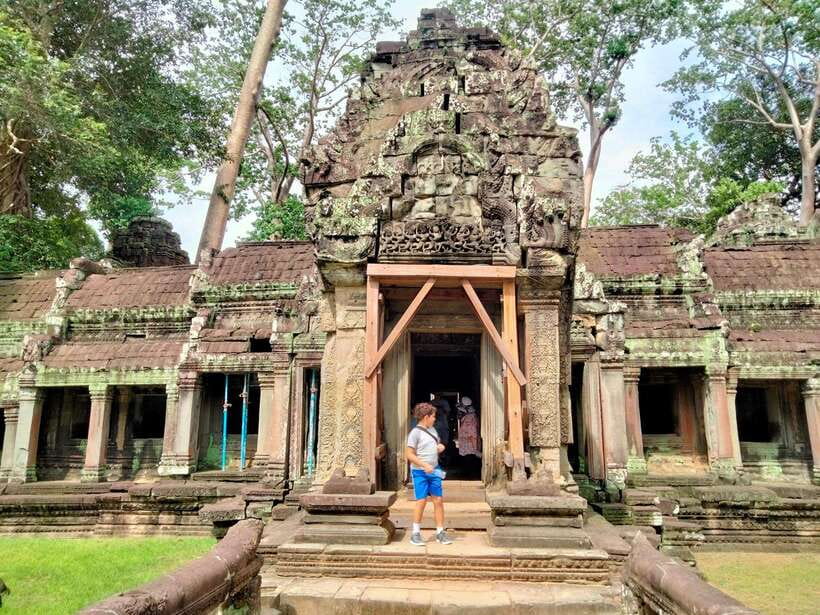
Ta Prohm and the roots over the ruins
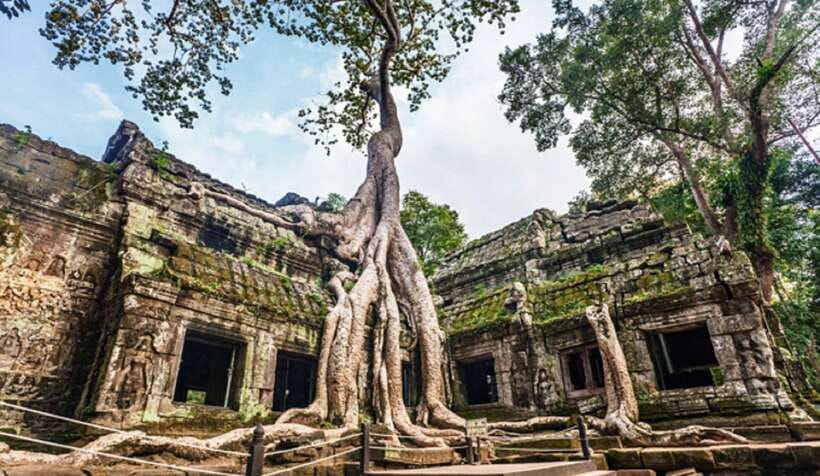
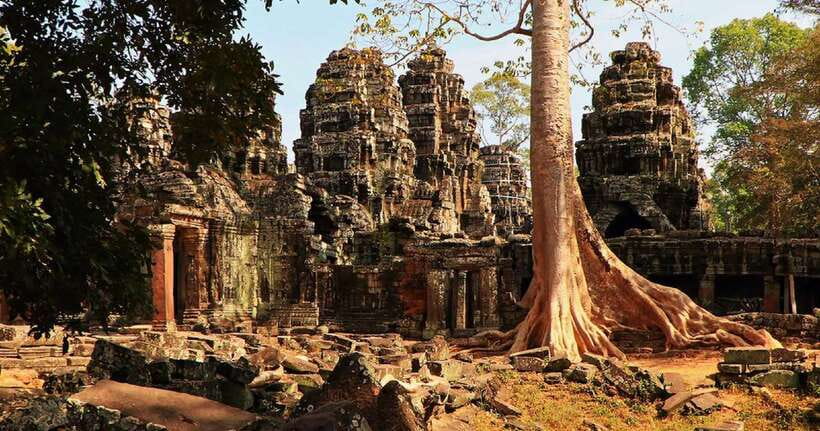
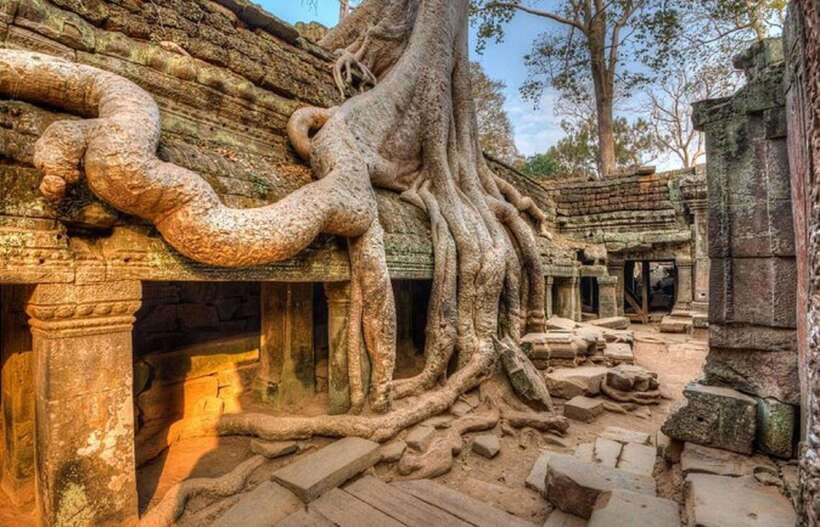
Ta Prohm is the image many people carry home from Angkor: giant tree roots spilling over stone walls and towers. The temple was left largely unrestored, which creates the jungle-temple effect that made it famous in Tomb Raider.
The roots are not decoration added for visitors. They are part of the uneasy meeting between the forest and the old buildings. Stone doorways disappear under trunks, and the damaged walls make every corner look different from the last.
This is one of the most photogenic places on the circuit, but it is also one of the stops where patience helps. The best-known views can attract plenty of people, especially later in the morning. A private driver cannot remove the crowds inside the temple, but he can wait outside and keep the route moving once you are ready.
Take care around roots, broken stones, and narrow passages. The site is atmospheric, yet it is not an easy walking surface. Rachel’s driver offered warnings about monkeys and tricky temple areas, a useful reminder that practical safety advice can matter as much as historical detail.
Ta Keo, an unfinished mountain of stone
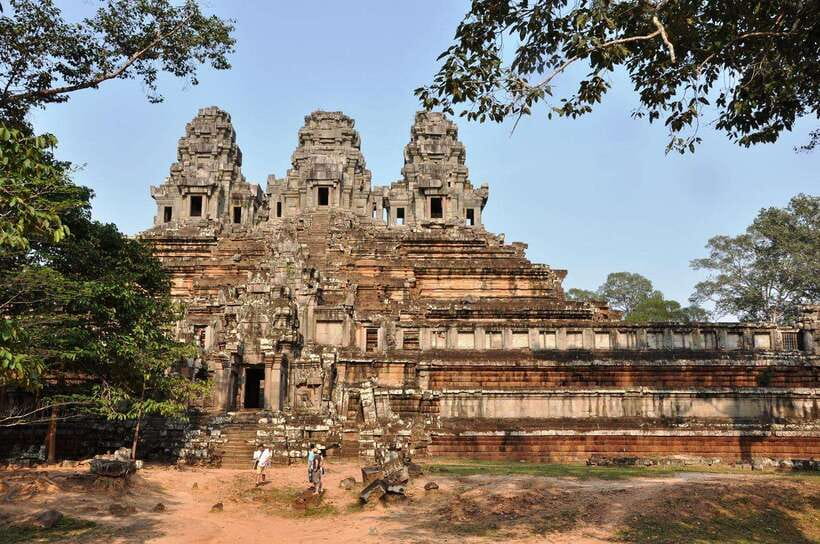
Ta Keo was built during the late 10th and early 11th centuries under King Jayavarman V and later rulers. Its unusual feature is that construction never finished.
That incomplete state changes what you see. Instead of polished carvings and fully decorated surfaces, the temple presents a powerful mass of stone and steep architectural forms. The lack of completion is not a flaw in the visit. It lets you think about how much labor, planning, and time an Angkor temple required before the final decoration even began.
Ta Keo is a good contrast with Ta Prohm. Ta Prohm is defined by roots and ruin, while Ta Keo feels more exposed and structural. You see the bones of the design rather than a finished religious setting.
Expect uneven terrain and take the climb at your own pace. The tour includes transportation between sites, not a promise of easy access within them. If your knees are troublesome or you tire quickly, tell the driver early so you can plan each stop sensibly.
Bayon and its many calm stone faces
Bayon sits in the center of Angkor Thom and is famous for its 54 towers. Each tower carries four large serene faces associated with Avalokiteshvara, creating more than 200 faces across the temple.
The effect is intimate and slightly strange. At one moment you are looking up at a face above the trees. At the next, another appears through a narrow passage. The expressions are calm, but the close quarters and many towers make the temple feel busy with stone.
Bayon also rewards readers of detail. Its carvings show historical battles and daily life, not only religious scenes. Look for ordinary activity among the grander images. This is one of the places where a driver who can point out subjects adds real value.
The structure can be confusing, so do not worry if the route through it feels less clear than Angkor Wat’s galleries. Stay aware of where your driver will wait. The praised drivers on this route, including Lay and Soka, made a point of waiting outside each temple, which is especially helpful after you have wandered through a maze of towers.
The South Gate of Angkor Thom
The South Gate, also called Tonle Om Gate, gives you a strong final view of Angkor Thom. The approach crosses a causeway lined with statues of gods and demons, all connected with the famous churning of the ocean story.
The gate itself is crowned with four large stone faces, echoing Bayon. It makes an excellent photo stop because you can see the entrance as a complete composition: causeway, statues, gate, and faces.
This stop is shorter and more visual than the interior temple visits. That is welcome near the end of an eight-hour day. You can take in the main view, make photographs, and head back toward Siem Reap without another long circuit of corridors.
The human side of the transport
The strongest pattern in the experience is not a single monument. It is the transport service. Drivers are repeatedly praised for arriving at the meeting point, waiting at temples, helping with directions, and keeping passengers comfortable.
Ray was especially noted for finding the correct meeting point and providing cold water and jasmine-scented towels. Chamrong received praise for temple advice, local stops when requested, and sharing lunch while explaining what he could. Lay was described as keeping to the route and allowing plenty of time. Soka was appreciated for waiting at each temple and offering information.
These details matter because Angkor is spread over a large area. You do not want to finish at a temple and wonder where to find your ride. A driver who is easy to locate, keeps water ready, and watches the clock removes a layer of stress from a hot day.
The English-language service appears to focus mainly on the driver. Names can vary by booking, so do not assume you will receive Ray, Chamrong, Lay, or Soka specifically. The useful thing is to judge the service by what you need: transport and practical help, or a full academic guide.
What the $24 price does and does not cover
At $24 per group of up to two, the tour offers good value for private transport across a full day. You are not paying a per-person fee for a large shared vehicle. The price includes hotel or accommodation pickup and drop-off, round-trip transportation, unlimited bottled water, and a cool towel.
The Angkor Temple Pass is extra. Meals are also extra. Build those costs into your budget before you book, especially because the temple pass is required for entry.
You also pay with time and energy. Eight hours is a serious sightseeing day, and the route includes multiple sites rather than one relaxed temple visit. The value is highest if you want to see the classic circuit efficiently and appreciate having a driver nearby. It is less suitable if you prefer to linger for a long time at one monument or move at a very slow pace.
The booking terms add useful flexibility. You can cancel up to 24 hours before the activity for a full refund, and reserve now while paying later. Pickup is usually about five minutes before departure, with a message sent the day before.
Who should book this temple circuit
I would choose this tour for a first visit to Angkor when you want the major names covered in one day. It suits couples and pairs who value private transport, a simple route, and the freedom to discuss timing with one driver.
It also works well for people who want sunrise without arranging every detail themselves. The driver handles the journey from your hotel to the park and back, while you concentrate on the temples.
You should think twice if you need wheelchair access, have very limited walking ability, or dislike early starts and hot conditions. Babies under one year and people over 95 are listed as unsuitable for the activity. Anyone else should judge the day by fitness, footwear, and tolerance for uneven stone.
Should you book it?
Book it if you want an affordable private ride through Angkor’s essential temples, with sunrise at Angkor Wat, practical help between sites, and refreshment waiting in the vehicle. The high rating of 4.9 from 47 reviews fits the strongest parts of the experience: reliable pickup, friendly drivers, clear directions, cold water, and cool towels.
Before paying, confirm whether your chosen option includes only a driver or a dedicated guide, and check that the sunrise start is selected if you want it. Bring cash for the temple pass and meals, dress modestly, and wear shoes suited to rough stone.
For a first full day in Siem Reap, this is a sensible, well-priced way to see the central Angkor highlights without arranging your own transport.
FAQ
How long does the Angkor Wat tour last?
The activity is valid for eight hours. The route includes several temples and the South Gate of Angkor Thom.
What is the price of the tour?
The price is $24 per private group of up to two people. The Angkor Temple Pass and meals are not included.
Is hotel pickup included?
Yes. Pickup and drop-off at your hotel or accommodation are included.
Is sunrise included?
Sunrise is available as an option. The sunrise route begins at Angkor Wat, so select the sunrise option when booking if that is important to you.
Is the Angkor Temple Pass included?
No. You must purchase a valid Angkor Temple Pass separately before entering the temples.
Which temples are included?
The route includes Angkor Wat, Banteay Kdei, Ta Prohm, Ta Keo, Bayon, and Tonle Om Gate, also called the South Gate of Angkor Thom.
Is transportation private?
Yes. The activity includes private round-trip transportation, and private groups are available.
Is a guide included?
The listed service provides an English-speaking driver. Some drivers provide directions and temple information, but the information does not promise a separate specialist guide.
What should I wear?
Cover your shoulders and knees, and wear comfortable walking shoes. Sunglasses and sunscreen are also recommended.
Is the tour wheelchair accessible?
No. The temple terrain is uneven, so the activity is not wheelchair accessible.
More Angkor Wat Tuk Tuk Tours in Siem Reap
- Angkor Wat Tour by Tuk-Tuk with English Speaking Driver
★ 4.5 · 65 reviews - The Angkor Temples from Sunrise by Tuk Tuk
★ 5.0 · 44 reviews - Angkor Wat 1 Day with Sunrise Combined tour with (Tuk Tuk)
★ 5.0 · 43 reviews - Siem Reap Temple Tuktuk Tour: Explore Angkor Wat and beyond.
★ 5.0 · 42 reviews
Just added around Siem Reap
- 2 Days Tuk Tuk Private Tour of Angkor★ 5.0 · 11 reviews
- Angkor Wat Sunset TUK TUK Tour★ 5.0 · 4 reviews
- Full-Day Angkor Temple Discovery with Banteay Srei by Tuk-Tuk★ 5.0 · 7 reviews
- Amazing full day TUKTUK tour★ 5.0 · 4 reviews
- Full Day Angkor Complex by Tuk Tuk – (Optional Sunrise)★ 5.0 · 6 reviews
- Siem Reap Morning Market & Food Tour by Tuk Tuk★ 5.0 · 5 reviews
- Siem Reap Evening Street foods Tours by Tuk Tuk★ 5.0 · 37 reviews
- Guided Private Tuk Tuk Tour Angkor Wat and Small Circle and Five Extras★ 5.0 · 3 reviews
Siem Reap Tuk Tuk Tours, compared.
Apsara Dance Show & Dinner with Tuk-Tuk Transfers
Read our review →
Angkor Wat Private Tour by Tuk-Tuk with English Speaking Driver
Read our review →