
Review · BERLIN
Individual City Tour – Rickshaw Sightseeing in Berlin
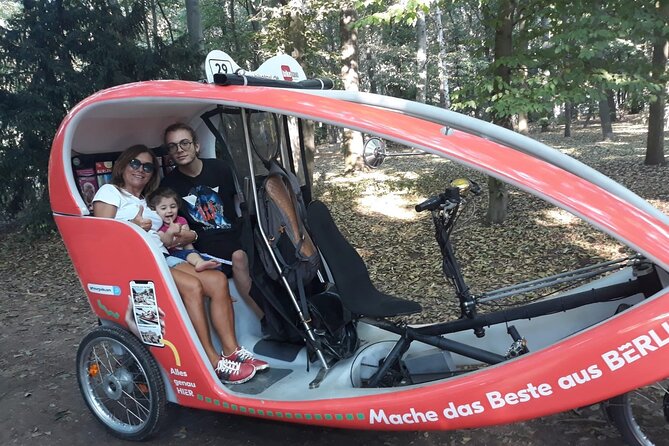
Berlin’s wide boulevards and scattered sights can eat up a day on foot. This private rickshaw tour links Alexanderplatz, Museum Island, the former Wall, Tiergarten, and Brandenburg Gate in a compact ride, while slipping into courtyards and cycle lanes that larger vehicles cannot reach.
I like the flexible route and the personal guiding, especially with Leo, who adjusts the ride to your interests and planned sightseeing. I also like the practical comfort: blankets are supplied in cold weather, and hot-water bottles have been provided on especially chilly rides.
The main catch is time. A one-hour tour can only give you a quick look at this long list of sights, while the three-hour option offers a far more useful introduction. The rickshaw is also open to the weather, so even with blankets, you should dress warmly in winter.
The Berlin rickshaw tour at a glance
- A private ride for your own party: You do not share the vehicle with a larger tour group.
- A fast first look at Berlin: The route connects major sights that are spread across several central districts.
- Flexible sightseeing: You can ask to spend more time on subjects or locations that interest you.
- Small-vehicle access: The rickshaw can use cycle lanes and reach areas that cars and buses cannot.
- Cold-weather comfort: Blankets are included, with hot-water bottles sometimes available in freezing conditions.
- Pickup near Museum Island: Hotel or other pickup within 2 kilometers of Museum Island is free. Extra distance costs €5 per kilometer.
Why a rickshaw works well in Berlin
Berlin is not a compact old town where every major sight sits around one plaza. Its landmarks are spread from Alexanderplatz in the east to Potsdamer Platz and Tiergarten in the west. The former Wall line, government quarter, museums, memorials, and grand nineteenth-century buildings all require some planning.
A rickshaw solves part of that problem. You sit back while the guide handles the route, then stop close to the sights for short explanations and photographs. You will not explore the museums or memorial interiors in depth, but you can quickly learn where everything is and decide what deserves a longer visit later.
I especially like this format for a first full day in Berlin. It gives you a city map in your head without forcing you onto a large coach. The small vehicle also makes the ride feel more connected to the streets than a sealed bus.
The guide matters a great deal. Leo is repeatedly praised for clear explanations, good English, patience, and the ability to change course when a family member has a special interest. He has also helped riders with poor knees or limited mobility get on and off the rickshaw, and one solo rider was able to bring a walker.
More Rickshaw Tours in Germany
- Berlin: Private Guided E-Rickshaw Tour
★ 4.9 · 157 reviews - Berlin Express: Private 1-Hour E-Rickshaw Ride
★ 5.0 · 116 reviews - Rickshaw Tours Berlin – Groups of up to 16 people with several rickshaws
★ 4.0 · 97 reviews
Alexanderplatz to Museum Island: Berlin’s early chapters
The meeting point is the World Time Clock on Alexanderplatz. This is a handy place to begin because it has long served as a gathering point for Berliners and visitors. The square also helps frame the city’s changing identity, from its medieval edge to the former center of East Berlin.
The next stop is Nikolaiviertel, the oldest settlement area of the Berlin-Cölln twin city. The district was almost destroyed in the Second World War and later rebuilt for Berlin’s 750th anniversary. Its reconstructed streets offer a useful reminder that today’s Berlin is partly original fabric and partly careful recreation.
Museum Island brings you to one of Berlin’s great cultural centers. The island was developed under Prussian kings and has been a UNESCO World Heritage site since 1999. From outside, you can see the Berlin Cathedral and the new Berlin Palace nearby.
The tour does not include museum admission, and five minutes is enough only for an introduction and photographs. I would treat this as a way to mark the location, not as a substitute for visiting the Pergamon Museum, Neues Museum, or other collections on your own schedule.
At Hackesche Höfe, the mood changes. These enclosed courtyards belong to the old Spandauer Vorstadt district and combine decorative facades with small backyards and shops. The rickshaw is useful here because a car tour would miss much of the close-up character. Ask to pause if courtyard details interest you.
From the Palace of Tears to Bebelplatz
The Palace of Tears, beside Friedrichstraße station, is the former exit hall of a border crossing. The name comes from the emotional farewells that took place there when people from East Berlin could not freely cross into the West. You can still walk through the old control counters.
This is one of the tour’s strongest stops because it makes the divided-city story personal. The building is modest, but its function explains how the border affected ordinary families. Five minutes will not allow a full museum visit, so return later if you want the complete exhibition.
Bebelplatz brings another dark chapter. The square is framed by grand buildings and recalls the cultural ambitions of Prussia, but it is also linked to the Nazi book burning of May 10, 1933. An empty library set below the square commemorates the event.
The stop works best when your guide explains the contrast between the elegant surroundings and the destructive act remembered there. You may want to spend more time here on foot because the memorial can be easy to miss from a passing vehicle.
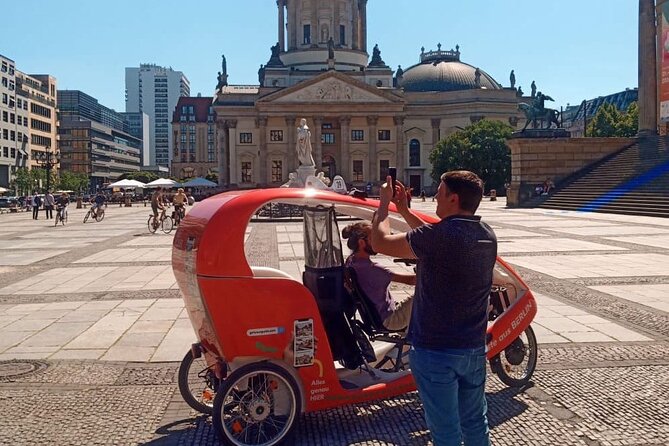
At Gendarmenmarkt, you get one of Berlin’s finest civic spaces. The concert hall sits between the German and French cathedrals, each marked by a prominent tower. The square is especially good for photographs, though the short stop means you will mainly get the layout and the main story.
Checkpoint Charlie and the remaining Wall

Checkpoint Charlie is a familiar name, but the modern display can feel theatrical. Its importance lies in what it represents: a former crossing point between East and West Berlin and a place connected with escape attempts during the Cold War.
The rickshaw lets you get close, hear the historical explanation, and take a photograph without giving the stop half a day. I would keep your expectations sensible. The checkpoint is not an untouched Cold War scene, and the value comes from understanding the location rather than expecting a preserved border crossing.
The Topography of Terror provides a more serious link to Berlin’s twentieth-century past. The site includes the longest remaining section of the Berlin Wall in its original state, alongside documentation about Nazi institutions and persecution. The tour can point you toward the site, but a short stop will not replace the indoor and outdoor exhibitions.
Potsdamer Platz then shows the city’s modern face. Once one of Europe’s key traffic junctions, it was damaged by war and later cut apart by the city’s division. Today’s towers and broad public spaces reflect reunified Berlin, while traces of the old square remain nearby.
This is a good example of why the rickshaw is useful as an overview. You can move from wartime ruins and Cold War borders to modern architecture in a few minutes, then decide where to return for a closer look.
More Rickshaw Tours in Berlin:
- Rickshaw Sightseeing City Tours Berlin – Rikscha Tours
★ 4.0 · 55 reviews - Berlin: Private Sightseeing Tour in an E-Rickshaw
★ 4.9 · 44 reviews - One Up to 3 Rickshaws(6 GUESTS)-Taylor Made Rickshaw Berlin Tour
★ 5.0 · 20 reviews - Daily First Rickshaw promotion in Combi Vehicle public Group 90€
★ 5.0 · 11 reviews
Thirty minutes through Tiergarten
Tiergarten is the longest listed section, at about 30 minutes. That extra time is welcome because the park is not just a green gap between attractions. It is a large central park filled with paths, bridges, monuments, and government-related sights.
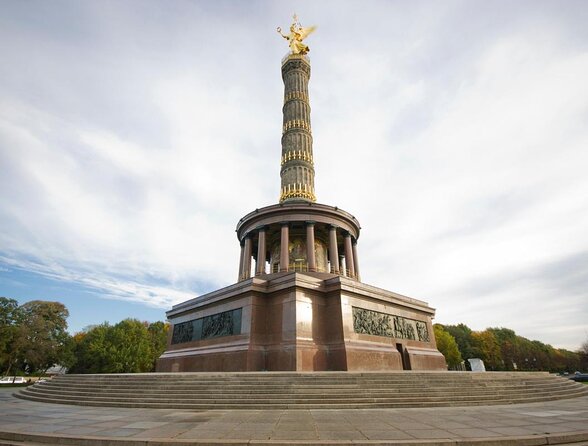
The route passes the Victory Column, Bellevue Palace, the House of World Cultures, the Carillon, and the Soviet Memorial. You get a sense of how Berlin’s political and cultural centers sit beside open parkland.
The park is also where the ride can feel most relaxed. After the dense sequence of squares and memorials, the rickshaw moves through trees and smaller routes. In cold weather, however, this may be the most exposed part of the tour. Bring a warm coat, hat, and gloves even though a blanket is supplied.
Victory Column, Bellevue, and the government quarter
The Victory Column, topped by the golden figure of Victoria, commemorates three Prussian victories. Its location in the middle of Tiergarten gives you a good view of the monument from below. The gilded cannons and smaller details are easier to appreciate when you stop rather than simply pass by.
Admission to the column is not included. The tour is focused on seeing it from the outside, so plan a separate visit if you want to climb it.
Bellevue Palace is the official residence of the German Federal President and has served that role since 1994. Its earlier life as a prince’s residence gives the building a different feel from the newer government structures nearby.
The government quarter follows along the Spreebogen. It was largely built around the year 2000 and includes the historic Reichstag building. This part of the route helps explain reunified Berlin’s decision to place the national government in a modern district beside older political symbols.
The rickshaw gives you a close view of the area without requiring a long walk between buildings. Reichstag entry is not part of this tour, so book or arrange that separately if it is important to you.
Brandenburg Gate and the end of the ride
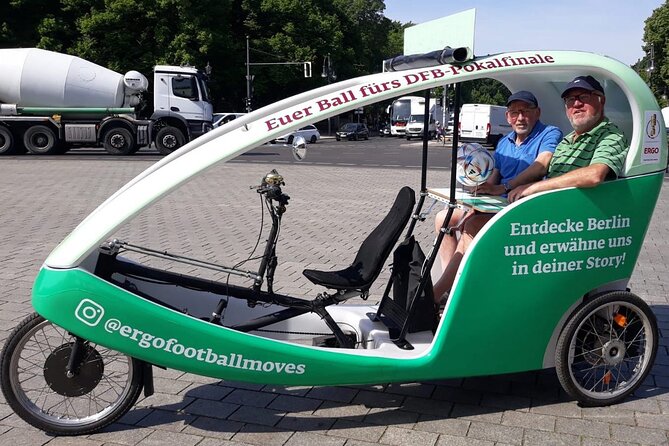
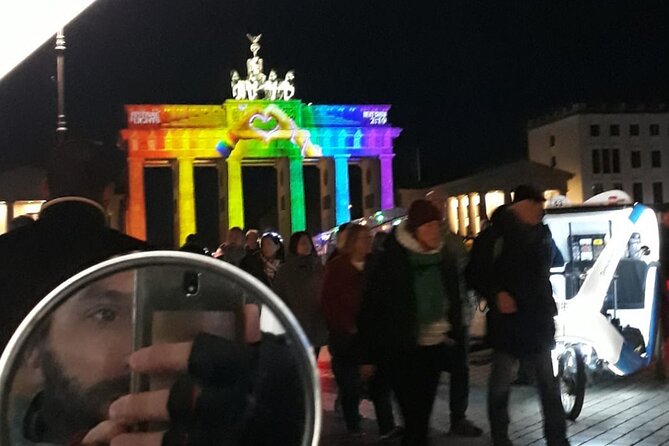
Brandenburg Gate is the natural finale. It was once one of Berlin’s city gates and is now the only one that survives. The gate has shifted meaning over time, from a royal entrance to a symbol of division and then a national symbol of unity.
The short stop gives you time to photograph the gate and hear how its meaning changed. The tour returns to the meeting point at Alexanderplatz, unless a different pickup arrangement has been made.
A three-hour ride covers this route at a more comfortable pace. You can pause for photographs, ask questions, and sometimes adjust the order or emphasis. The one-hour version is better treated as a rapid orientation, especially if you mainly want to see the major landmarks from outside.
How personal is the experience?
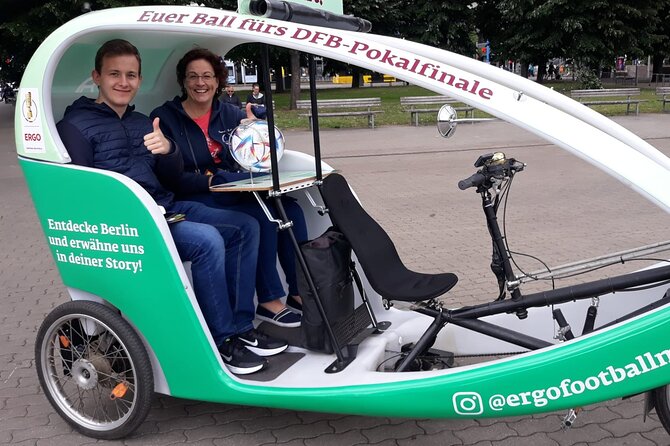
This is a private activity, so only your party rides with the guide. That makes a real difference. You can ask about Berlin’s Nazi and Cold War history, focus on architecture, slow down for photographs, or change the route to avoid sights you plan to visit later.
Leo has shown old photographs during rides, which helps you compare present-day Berlin with the divided or damaged city that came before it. He has also adapted tours around a family’s next-day plans, avoiding repeated stops and adding places that matched their interests.
The format suits families particularly well. Children can ride rather than face a long march between monuments, while adults still receive a serious introduction to Berlin’s past. One family with a two-year-old found the mix of historical sights and a moving vehicle workable, though every group should discuss its needs with the operator in advance.
The ride can also suit older people or anyone with bad knees. It is not a formal mobility tour, and the supplied information does not promise wheelchair access, but the guide has helped people with difficult legs and accommodated a walker in at least one case.
Cost, comfort, and practical value
The listed price is $53.21 per person. For a private ride, that can be good value if your party wants a tailored overview and would otherwise spend money on several taxis or a larger sightseeing bus. The value is strongest for two or more people who will use the guide’s local explanations and route flexibility.
For a solo rider, the cost is harder to judge. You receive a private guide and direct attention, but the per-person price is less easily shared. Group discounts may improve the calculation for larger parties.
Hotel pickup is free within a 2-kilometer radius of Museum Island. Beyond that area, the charge is €5 per kilometer, so confirm the pickup cost before you book. The advertised meeting point is the World Time Clock at Alexanderplatz, and the ride ends back there.
Music can be supplied by request, and drinks can be ordered separately. Those are small extras, not core reasons to choose the tour. The real advantages are the guide, the private format, and the ability to cover a lot of Berlin without walking every connecting street.
Cold weather deserves serious thought. A blanket is included, and hot-water bottles have been used on freezing days, but the rickshaw remains an open-air ride. A rainy or snowy day can still be enjoyable, yet you should dress as if you will spend the full tour outside.
Who should book it?
I would choose this tour for a first visit, a family group, a multigenerational party, or anyone who wants an overview without a long day on foot. It is also a smart choice if you have only a few hours and want to locate Berlin’s main areas before returning to selected museums and memorials.
History-focused visitors should ask questions. Leo can explain the city’s Prussian, Nazi, and Cold War chapters, and the private setting gives you room to pursue subjects that a fixed group tour might skip.
I would hesitate if you want long interior visits, extended time at museums, or a low-cost hop-on, hop-off experience. The tour shows many sites from outside, and each listed stop is generally brief. It is best as a moving introduction, not a replacement for Berlin’s museums.
Should you book this Berlin rickshaw tour?
Book it if you value a private, flexible overview and want to cover central Berlin with less walking. Choose the longest available version if your schedule allows, especially if this is your first day in the city.
The strongest reasons to go are Leo’s personal explanations, the close access of the rickshaw, the useful hotel pickup zone, and the extra care in cold weather. The main limits are the short stop times, separate admission costs, possible pickup fees beyond 2 kilometers, and exposure to rain or cold.
Free cancellation is available up to 24 hours before the start time. After that, the paid amount is not refunded, and changes are not accepted within 24 hours.
FAQ
Where does the tour begin?
It begins at the World Time Clock, Alexanderplatz 1, 10178 Berlin.
Where does the tour end?
The activity ends back at the meeting point.
How long does the tour last?
The tour lasts approximately one to three hours.
Is the tour private?
Yes. Only your own group participates in the activity.
Is hotel pickup available?
Yes. Pickup from hotels or other locations within 2 kilometers of Museum Island is free. Further distance is charged at €5 per kilometer.
Is the tour offered in English?
Yes. English is the listed tour language.
Are entrance tickets included?
Admission is free at many outdoor stops, but tickets are not included for places such as Museum Island, the Victory Column, and Bellevue Palace.
What happens if I need to cancel?
You receive a full refund if you cancel at least 24 hours before the start time. Cancellations or changes made less than 24 hours before the tour are not refunded.
Just added around Berlin
- One Up to 3 Rickshaws(6 GUESTS)-Taylor Made Rickshaw Berlin Tour★ 5.0 · 20 reviews
- Romantic Berlin Rickshaw City and Photo Tour – incl. pick-up★ 4.0 · 9 reviews
- Rickshaw Sightseeing Tours Berlin – Highlights Berlin – Rickshaw city tour★ 3.5 · 3 reviews
- Rickshaw Tour-Cruise Ship guests arrive 9.30 upto 11.30 am Berlin★ 5.0 · 7 reviews
- Daily First Rickshaw promotion in Combi Vehicle public Group 90€★ 5.0 · 11 reviews
- Private Up to 12 Guests-ONE RICKSHAW, E-Bikes, E-Scooters★ 5.0 · 2 reviews
- Rickshaw Sightseeing City Tours Berlin – Rikscha Tours★ 4.0 · 55 reviews
- Private Guide Up to Group 6 – ONE Rickshaw, (E)Bikes, E-Scooters★ 5.0 · 3 reviews
Berlin Tuk Tuk Tours, compared.
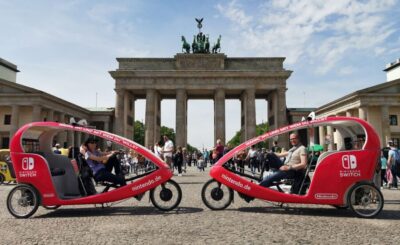
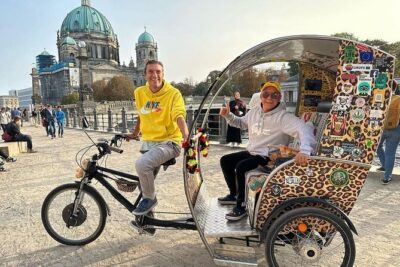
Rickshaw Tours Berlin – Groups of up to 16 people with several rickshaws
Read our review →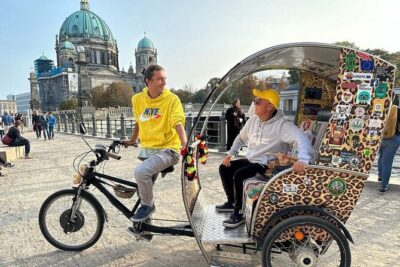
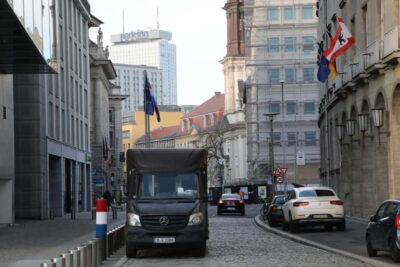
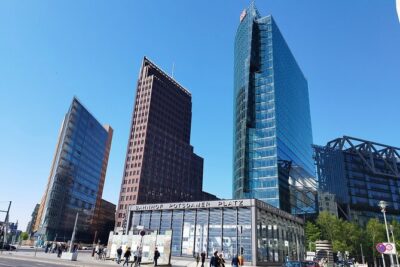
One Up to 3 Rickshaws(6 GUESTS)-Taylor Made Rickshaw Berlin Tour
Read our review →
Berlin Rickshaw Tours Historical & Photo City Tour 120min – Sightseeing
Read our review →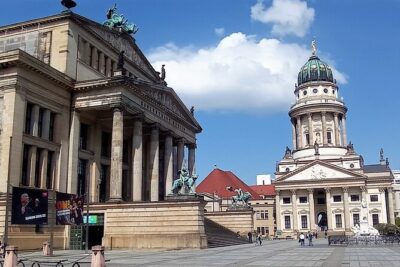
Daily First Rickshaw promotion in Combi Vehicle public Group 90€
Read our review →Browse the lists this tour appears in