
Review · PORTO
Tours in the Port DE Tuk Tuk
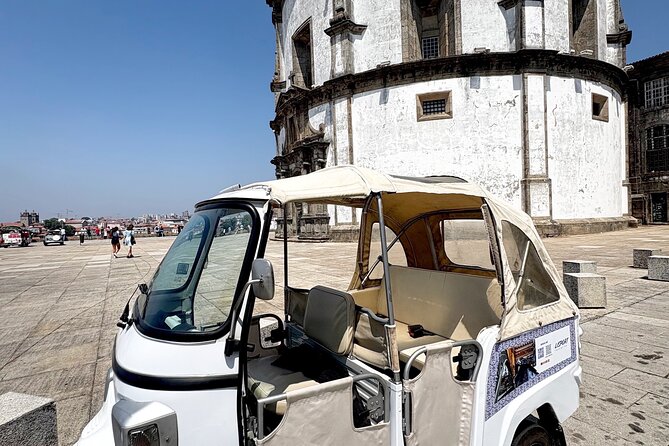
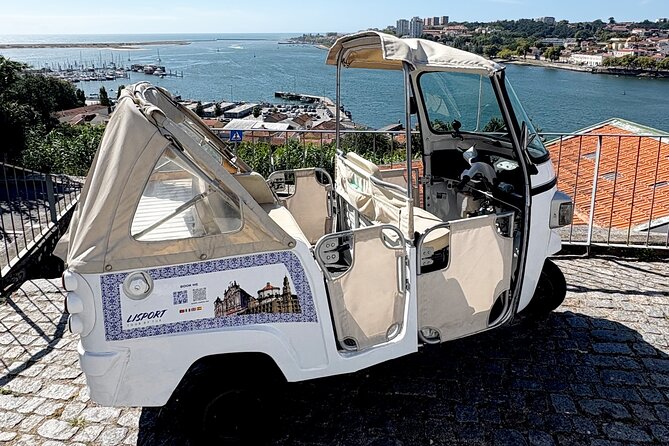
Porto is steep, steeped in stone, and much easier to grasp from a tuk-tuk than on foot. This private ride links the city’s major sights with Vila Nova de Gaia, crossing streets that would take far longer to cover on foot. Guide Bruno is especially good at shaping the route around your interests, from history and architecture to family-friendly stops and sunset views.
I like the private format, since you can ask questions and adjust the pace instead of following a fixed group. I also like the practical help, including restaurant, bar, train, and sightseeing suggestions for the rest of your stay. The main drawback is time: at 60 to 70 minutes, this is an orientation tour, not a detailed visit inside every monument.
Key points at a glance
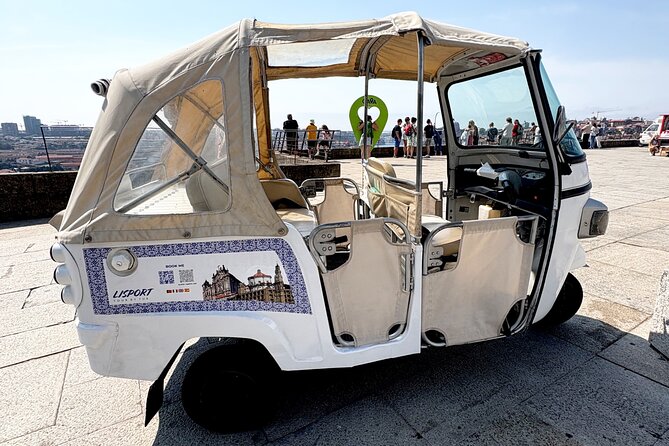
- A fast route through Porto and Gaia: Cover São Bento, the cathedral, Ribeira, the Dom Luís I Bridge, Clérigos, Carmo, and other central sights in one short ride.
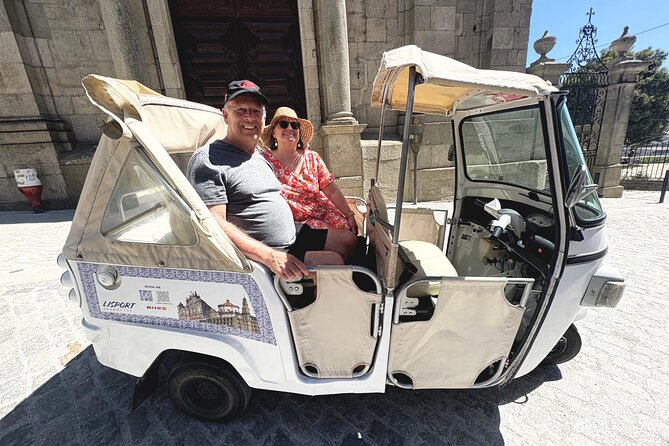
- Private for your group: The experience is listed at $42.05 per group, with only your party taking part.
- A guide who adapts the ride: Bruno has tailored routes for history lovers, families with children, rainy days, and special occasions.
- Excellent for first-day orientation: You will see how Porto’s upper centre, lower riverfront, and Gaia connect.
- A strong choice for hills: The tuk-tuk saves your legs on Porto’s steep streets and helps you cover more ground quickly.
- Weather matters: The tour requires good weather, so a rainy forecast can lead to a new date or a full refund.
Why a tuk-tuk works so well in Porto
Porto rewards walking, but it can punish your knees. The old centre climbs and drops sharply, and several of the city’s best-known places sit at different levels. A private tuk-tuk gives you a useful first look without asking you to spend the whole morning climbing between them.
This route begins at the Monument to King D. Pedro in Praça da Batalha, a handy point near São Bento Station, the cathedral, Rua de Santa Catarina, and the National Theatre São João. From there, the ride links central Porto with the Douro and Vila Nova de Gaia.
The short duration is both its strength and its limit. You can get your bearings quickly, spot places to return to, and ask a local guide what deserves more of your time. You should not expect long interior visits at the cathedral, Clérigos Tower, São Bento Station, or the churches. The tuk-tuk is best used as a moving introduction.
The price is listed as $42.05 per group of up to one person, which needs a careful look before booking if you are traveling with more than one person. The activity is private, and the value is strongest when the quoted price applies to your whole party. Confirm the group details at booking rather than assuming the wording covers everyone in your party.
A few more rides around Porto worth a look
- Porto: Guided Tour by Tuk-Tuk & Optional Douro River Cruise
★ 4.5 · 5,980 reviews - Discover Porto’s Highlights on a 2-Hour Private Electric Tuk Tuk
★ 4.5 · 1,860 reviews - Porto: Guided Tuk Tuk Tour
★ 4.6 · 1,390 reviews
Praça da Batalha and the National Theatre São João
Praça da Batalha is a fitting starting point. It sits in Porto’s historic centre and puts you close to several major sights. The National Theatre São João faces the square with an imposing neoclassical and Beaux-Arts facade, complete with columns, sculpture, and inscriptions.
The theatre opened in 1798 as the Royal Theatre of São João. A fire destroyed it in 1908, and architect José Marques da Silva rebuilt it. The theatre reopened in 1920 and later became a national theatre in 1992.
You can expect a quick exterior explanation here rather than a full theatre visit. The building still hosts classical and modern productions, festivals, talks, workshops, and other arts events. Guided visits, when scheduled, cover the architecture, history, and backstage areas, but those are separate from this short tuk-tuk ride.
This first stop gives you a useful lesson in Porto’s character: grand public buildings, granite facades, and a working cultural life rather than a museum frozen in time.
São Bento Station and Porto Cathedral
São Bento Station is one of Porto’s essential interior sights. The station was officially opened on October 5, 1916, on the site of the former Convent of Saint Benedict of Avé-Maria. José Marques da Silva designed the building, using a French-influenced Beaux-Arts style.
The main attraction is inside. Jorge Colaço created more than 20,000 historic tiles between 1905 and 1908. They show scenes from Portuguese history, country life, transport, and important events. Look up toward the upper sections of the atrium for the names Douro and Minho, two important rivers of northern Portugal.
The stop is listed as five minutes, with free admission. That is enough for a first look, but not enough if you want to study every blue-and-white panel. If you have not visited the station before, I would return later when you can stand quietly in the entrance hall.
Nearby, Porto Cathedral gives you a different view of the city. Construction began in the 12th century in Romanesque style, though later changes added Gothic, Baroque, and Mannerist details. Its rose window, granite towers, Gothic cloister, tilework, and Baroque main altar reflect centuries of additions.
The cathedral also played a part in Portugal’s political and religious story. Dom Pedro IV celebrated Mass there before beginning the siege of Porto during the Liberal Wars, and royal weddings took place at the cathedral. The tuk-tuk can explain those layers, but a proper interior visit requires extra time.
The Dom Luís I Bridge and the Douro crossing
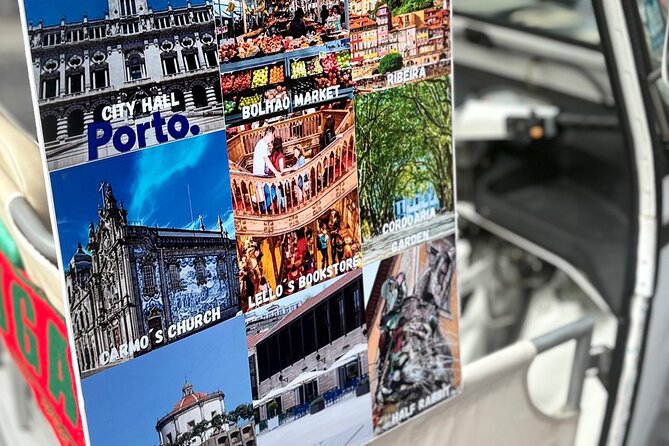
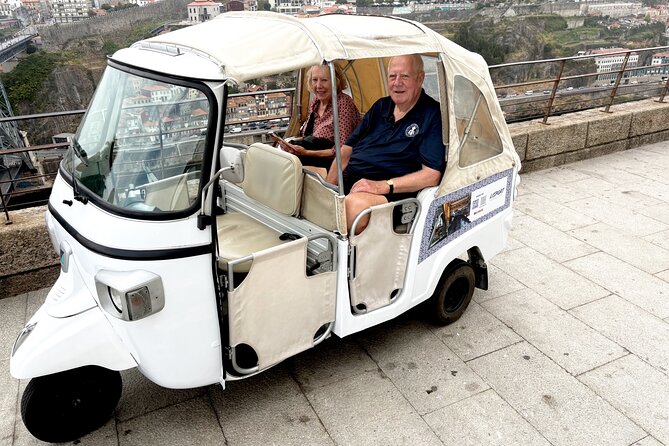
The Dom Luís I Bridge is the route’s big visual moment. It links Porto’s Ribeira district with Vila Nova de Gaia and gives you direct views of the port wine warehouses on the southern bank.
The bridge opened in 1886 and was designed by Théophile Seyrig, a partner of Gustave Eiffel. Its large iron arch was a major engineering achievement at the time. The bridge has two levels: the upper deck carries Porto Metro Line D and pedestrians, while the lower deck carries cars and pedestrians.
The central arch spans 172 metres, and the bridge reaches about 45 metres above the Douro. It has been a National Monument since 1982.
From a tuk-tuk, you get the useful big picture: Porto rises on the north bank, Gaia stretches below the southern side, and the river explains much of the city’s past and present. The route may not give you time to linger on the upper deck, so return on foot if you want the full pedestrian view or a sunset crossing.
The Gaia side is especially useful for understanding the port wine trade. The warehouses sit along the river, directly opposite Porto’s old waterfront. Even without a tasting, the crossing makes the relationship between the two cities clear.
Same streets, a different route:
- Historic Porto by Private Electric Tuk Tuk to Top Landmarks
★ 4.5 · 735 reviews - Porto Guided Tour to the Historical Center on a Tuk Tuk
★ 4.5 · 418 reviews - Porto: Private Sightseeing Tour by Electric Tuk Tuk
★ 4.8 · 305 reviews - Oporto Tuk-Tuk Tour: Fast, Fun & Flexible – 1H to Full Day!
★ 4.7 · 280 reviews
Ribeira and the Fernandina Wall
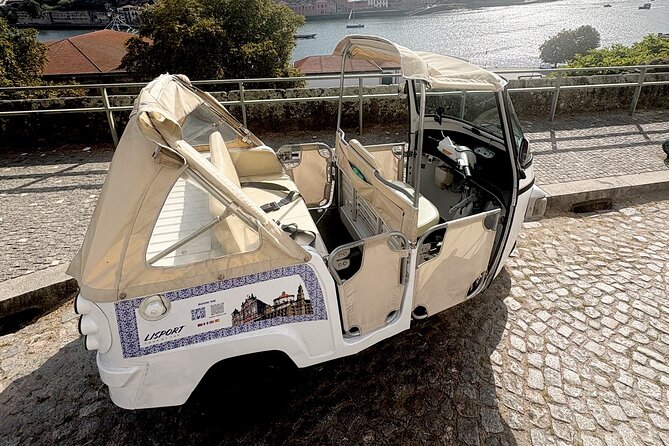
The ride then reaches the lower historic areas near Ribeira, where Porto drops toward the Douro. The remaining sections of the Fernandina Wall help explain how tightly packed the medieval city once was.
Built in the 14th century during the reign of Dom Fernando I, the wall replaced and expanded an older Romanesque defence. It protected the city from attack and controlled movement around commercial entrances and exits. Granite towers, gates, and defensive points once encircled the old city.
Much of the wall disappeared during 19th-century urban expansion. You can still see restored sections near the Porto railway line, between Largo do Muro dos Bacalhoeiros and Ribeira, and at the Postigo do Carvão. The Postigo is the only medieval gate still standing.
This section is good for photos because it combines old stone, rooftops, and the Douro. It also shows why Porto is not simply a collection of pretty facades. The city’s streets and walls were shaped by defence, trade, and the steep river valley.
São Ildefonso Church and Rua de Santa Catarina
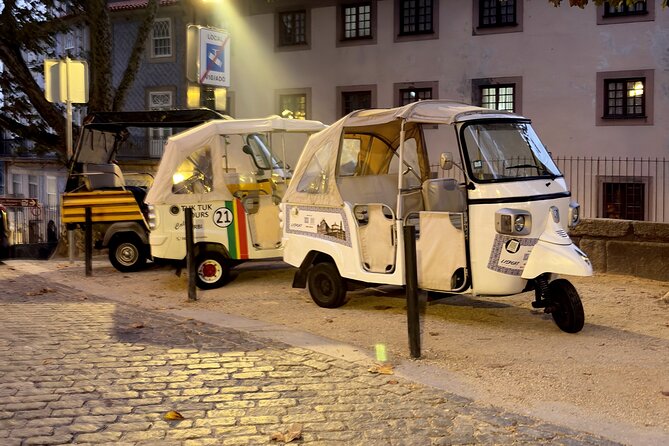
Back near Praça da Batalha, São Ildefonso Church adds another dose of Porto’s famous tilework. Built between 1709 and 1739, the church has a Baroque facade with two towers, a curved pediment, and roughly 11,000 blue-and-white tiles.
Jorge Colaço created the tile panels in 1932. They show scenes from the life of Saint Ildefonso and passages from the Gospel. Inside, you will find gilded Baroque decoration, side altars, and an 18th-century carved wooden altarpiece.
The church is one of the city’s most photographed buildings, and for good reason. The stone staircase, granite walls, and blue tile facade make a strong picture, especially when the lighting catches the details after dark. A tuk-tuk stop gives you the outside view and a quick explanation, but you will need extra time for the interior.
Rua de Santa Catarina begins nearby and runs toward the Marquês area. It is mostly pedestrian and is Porto’s main shopping street, with international chains, local shoe and clothing shops, souvenir stores, and cafés.
The street also puts you close to several worthwhile stops. ViaCatarina Shopping has a themed food court, Café Majestic offers Belle Époque decoration, and Bolhão Market gives you a more traditional look at local food and daily life. The Chapel of Souls, with its tile-covered facade, is another quick photo stop.
This is where the tour shifts from monuments to ordinary city life. You see the places people use for shopping, coffee, food, and meeting friends.
Aliados, the Clérigos area, and the Carmo churches
Porto City Hall sits at the top of Avenida dos Aliados, facing Praça da Liberdade. Its neoclassical design dates from the 20th century. Construction began in 1920 and finished in 1957, following plans by Correia da Silva.
The granite building has a central clock tower about 70 metres high, along with sculptures, marble stairs, and artistic glazing inside. It remains the seat of Porto’s municipal government. Interior access is possible during certain guided visits or special open days, but it is not part of the standard tuk-tuk stop.
Nearby, Praça de Gomes Teixeira is often called Praça dos Leões because of the four bronze-winged lions on its fountain. The square sits by the University of Porto’s historic rectorate, the Carmo and Carmelitas churches, and Livraria Lello.
The two churches sit side by side, separated by a very narrow house. The gap is only about one metre wide, and the arrangement reflects an old rule that prevented monks and nuns from having direct contact.
The Carmelitas Church dates from 1616 to 1628 and has a more restrained Classical Baroque facade. The Carmo Church was built from 1756 to 1768 in Baroque and Rococo styles. Its side wall carries a blue-and-white tile panel added in 1912, showing the imposition of the scapular on Saint Simon Stock.
This area can be crowded, especially around the bookstore and university buildings. The tuk-tuk is useful here because you can see several landmarks in a small area without losing time finding each one on foot.
Santo António Hospital and Cordoaria Garden
Santo António Hospital is less likely to appear on a standard sightseeing list, but it adds useful context. Founded in 1799 by the Misericórdia do Porto, it was designed by English architect John Carr in a rare English neoclassical style.
The granite building has an austere facade, a large U-shaped plan, and inner courtyards. It remains a public and university hospital connected with the University of Porto’s medical faculty, so this is a working building, not just a historic shell. It has been a National Monument since 1910.
Nearby, Cordoaria Garden offers a pause from stone streets. The area once served rope makers, who stretched and twisted cord there. It became a garden in the 19th century and was redesigned by Émile David, who also worked on the Crystal Palace gardens.
You will find paths, old trees, benches, shade, and a quieter setting. Sculptures by Juan Muñoz show bronze human figures scattered through the garden in unusual poses. There is also a sculpture of Portuguese writer Ramalho Ortigão.
This is one of the places I would mark for a later return. The tuk-tuk can point it out, but the garden rewards a slow walk more than a quick pass.
Photography, Clérigos Tower, and the final orientation
The Portuguese Centre for Photography occupies the former Chain of the Relation, a prison and courthouse built in 1767. The building once held prisoners such as writer Camilo Castelo Branco. It stopped operating as a prison in 1974 and was restored in the 1990s.
The centre now presents photography exhibitions, historic cameras, negatives, portraits, Portuguese collections, and the National Photographic Archive. You can also see parts of the old prison, including cells and iron bars. Admission is free, and opening hours are generally extended except on holidays.
The final major landmark is Clérigos Church and Tower. Nicolau Nasoni designed the Baroque complex for the Brotherhood of Poor Clergy. The church has an unusual oval plan, gilded decoration, and Baroque organs.
The tower was completed in 1763 and rises 76 metres above the old centre. Climbing it means taking 225 steps, but the reward is a broad 360-degree view over Porto and the Douro. The tower is a paid attraction and includes the museum, church, and panoramic viewpoint.
Your tuk-tuk ride can explain why Clérigos is such a useful landmark: its profile is visible from many parts of Porto, helping you understand the city’s layout. If you want to climb it, plan a separate visit. The short tour does not leave time for the tower stairs.
What the guide adds to the ride
The strongest part of this experience is the guide’s flexibility. Bruno has shaped rides around architecture and history, but also around children, food, cafés, viewpoints, and relaxed stops. One family route included playgrounds and places where adults could have a drink while the children played.
He has also given practical suggestions for restaurants, bars, train services, and other places to visit. That matters on a first day, when a local answer can save you from wasting an evening on an inconvenient restaurant or a confusing rail connection.
The ride has worked in poor weather when the guide was willing to continue, but the official terms say good weather is required. Treat that as a real consideration. Porto’s rain can make an open-sided ride less pleasant, and the provider may offer another date or a full refund if weather cancels the tour.
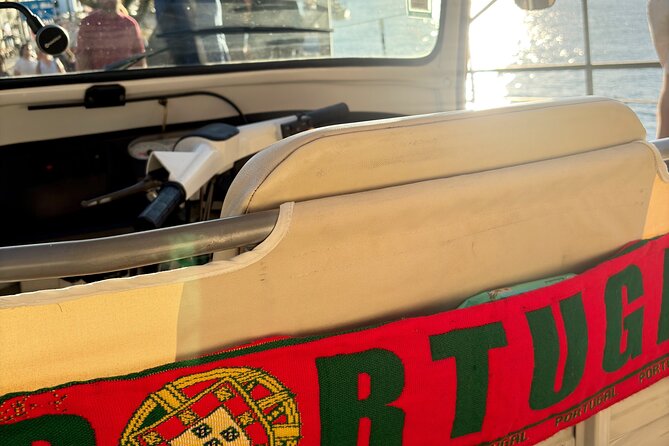
The experience is offered in English. It is near public transportation, service animals are allowed, and most people can participate. A safety belt is provided. Since this is a private activity, you can ask for a slower explanation at an important stop instead of being carried along by a group schedule.
Who should book this Porto tuk-tuk tour?
I would choose this ride for a first visit, especially if you have only a short time in Porto or want help before exploring independently. It suits couples, families, and anyone who finds the city’s hills tiring.
It also works well for people who prefer conversation over a recorded audio guide. Bruno’s personal approach, including his warm manner and broad local recommendations, is a major part of the appeal. The ride has also been used for a sunset outing and a New Year’s Eve tour, so timing can shape the mood.
I would not book it as your only sightseeing activity if you want detailed monument interiors, extended museum visits, or a long walk through Ribeira. Think of it as a smart introduction. Use it to decide where to return, then spend the rest of your stay on foot inside the places that interest you most.
The experience has a 5.0 rating from 39 ratings, with 100 percent recommending it. That fits the pattern of the feedback: the guide’s courtesy, flexibility, local advice, and ability to keep the route personal receive the strongest praise.
Should you book it?
Book this tour if you want to see Porto’s main districts quickly, avoid some steep climbs, and have a guide adjust the ride to your interests. The route covers an impressive amount in about an hour, from São Bento’s tiles and the cathedral to Gaia, Ribeira, Clérigos, Carmo, and the city’s shopping streets.
Skip it if you want a slow, detailed walking tour or plan to spend most of your time inside museums and churches. For everyone else, especially first-time visitors, the private format and practical local guidance make the price worth considering. Schedule it early in your stay so you can use the advice for the days that follow.
FAQ
Where does the tuk-tuk tour start?
The tour starts at the Monumento ao Rei D. Pedro, Praça da Batalha 66, 4000-101 Porto, Portugal.
Where does the tour finish?
The activity ends back at the meeting point in Praça da Batalha.
How long does the tour last?
The tour lasts approximately one hour to one hour and ten minutes.
How much does the tour cost?
The listed price is $42.05 per group of up to one person. Check the booking details carefully if you are traveling with more than one person.
Is this a private tour?
Yes. Only your group takes part in the activity.
Is the tour offered in English?
Yes. English is the listed tour language.
What sights are included?
The route includes sights such as São Bento Railway Station, Porto Cathedral, the Dom Luís I Bridge, the Fernandina Wall, São Ildefonso Church, Rua de Santa Catarina, Porto City Hall, Praça de Gomes Teixeira, the Carmo and Carmelitas churches, Santo António Hospital, Cordoaria Garden, the Portuguese Centre for Photography, and Clérigos Tower.
Can I enter the monuments during the tour?
The tour includes visits and sightseeing stops, but the information does not state that admission to every monument is included. Clérigos Tower has paid entry, and theatre guided visits take place on a schedule.
Is the tour suitable for families?
Most people can participate, and the private format allows the guide to adapt the experience. A previous family route included playgrounds and relaxed café stops for children and adults.
What happens if the weather is bad?
The experience requires good weather. If the provider cancels because of poor weather, you will be offered a different date or a full refund.
What is the cancellation policy?
You can cancel at least 24 hours before the start time for a full refund. Cancellations or changes made less than 24 hours before the start time are not accepted for a refund.
Just added around Porto
- 2 Hour Discover Gaia on a Private Eco-Friendly Tuk Tuk Tour★ 4.0 · 4 reviews
- 2 Hour Private Tuktuk Tour in Porto to Monastery and Cellars★ 4.5 · 7 reviews
- 3 Hour Tuk tuk Tour in Porto★ 4.5 · 60 reviews
- Discover Porto on a 2-Hour Shared Electric TukTuk★ 4.5 · 11 reviews
- Explore Porto Aboard A Classic Tuk-Tuk tour 1h★ 5.0 · 22 reviews
- Porto: tuk tuk adventure tours old town 1h★ 5.0 · 33 reviews
- Private Port: Tuk Tuk and boat with local guides★ 5.0 · 4 reviews
- Cruise Shore Excursion – Private Tuk Tuk Tour to the Historic Center★ 4.5 · 47 reviews
Porto Tuk Tuk Tours, compared.
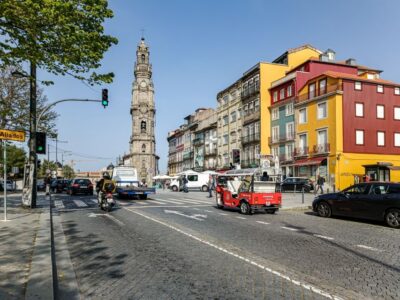
Guided Tour by Tuk-Tuk & Optional Douro River Cruise
Read our review →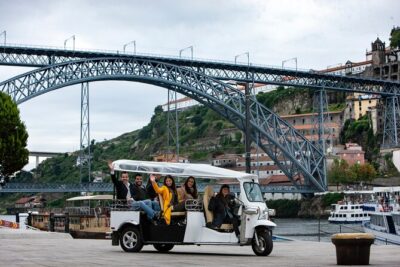
Discover Porto’s Highlights on a 2-Hour Private Electric Tuk Tuk
Read our review →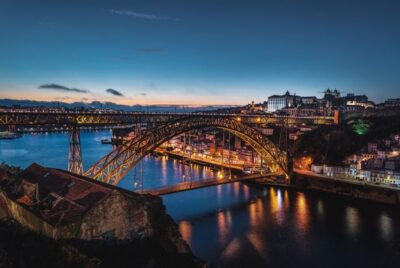
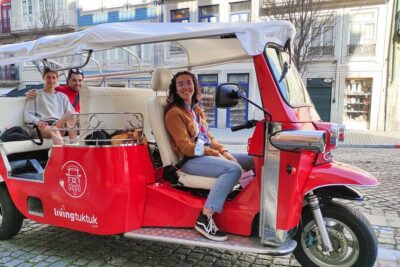
Historic Porto by Private Electric Tuk Tuk to Top Landmarks
Read our review →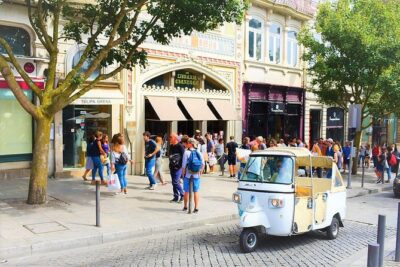
Porto Guided Tour to the Historical Center on a Tuk Tuk
Read our review →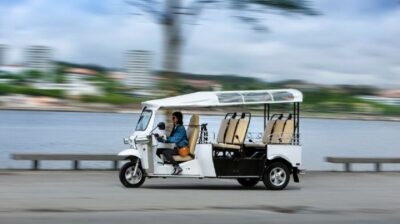
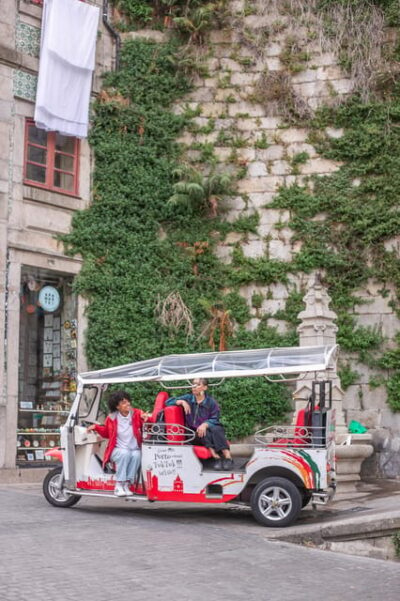
Oporto Tuk-Tuk Tour: Fast, Fun & Flexible – 1H to Full Day!
Read our review →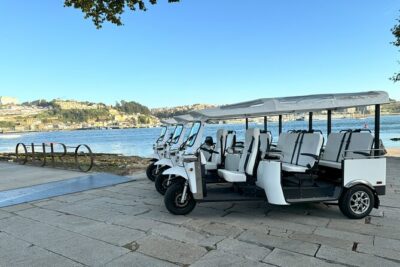
Browse the lists this tour appears in