
Review · TOKYO
Sushi Making Tokyo with Traditional Rickshaw Ride Tour in Asakusa
Making sushi and riding through old Asakusa by rickshaw gives you two very different ways to meet Tokyo: one hands-on, one wonderfully unhurried. The cooking class lets you work with ingredients and eat what you prepare, while the 1.5-hour rickshaw ride brings local stories and Edo-era atmosphere to the streets around Kaminarimon.
I like the English-speaking instruction and the strong personal touch from staff such as Shogo and Hero. I also like the pairing of food and sightseeing, since you get more than a standard cooking lesson or a quick photo stop. The main consideration is the price, $156.77 per person, which is fair for a 3.5-hour package with food and a long rickshaw ride, but high if you mainly want a short introduction to sushi.
Key Points at a Glance
- Sushi preparation and a full meal: You make sushi with the ingredients provided, then eat the results as part of the class.
- A 1.5-hour rickshaw ride: This is not a token loop around the block. You spend substantial time seeing Asakusa from a traditional two-wheeled carriage.
- English throughout: The instructor and local staff host the activity in English, useful for first-time visitors to Japan.
- Kaminarimon meeting point: The tour starts at 2-chōme-17-9 Kaminarimon in Taito City and returns to the same place.
- Guides with a warm, entertaining style: Shogo is specifically praised for his rickshaw service, while Hero is noted for being kind and enthusiastic.
- Weather matters: The rickshaw portion requires good weather, so a poor forecast can lead to a new date or a full refund.
Why This Tokyo Combination Works
Asakusa is one of the better parts of Tokyo for seeing a clear link between present-day city life and older Japanese traditions. The area around Kaminarimon has a strong sense of place, and a rickshaw gives you a slower view than a train, taxi, or ordinary walk.
The sushi class adds a useful contrast. You are not only looking at Japanese culture from the outside. You handle the ingredients, follow instructions, shape the sushi, and sit down to eat it. That makes this a good choice if you want an activity with something to do, rather than a sightseeing tour built mostly around listening.
The two parts also suit different moods. The class is social and practical. The rickshaw ride is more relaxed, with your guide pointing out streets and sharing stories about Asakusa. Several parts of the experience are designed around hospitality, so this is not a self-guided lesson where you are left to work things out alone.
The 3.5-hour length is useful. You get enough time for a proper activity without giving up an entire day in Tokyo. Still, you should treat it as a fixed block in your schedule. A long rickshaw ride plus a cooking class is substantial, and you will want to avoid booking another time-sensitive attraction immediately afterward.
More Rickshaw Tours in Japan
- Tokyo Asakusa Rickshaw Tour
★ 5.0 · 1,375 reviews - Kyoto: Arashiyama Customized Rickshaw Tour & Bamboo Forest
★ 5.0 · 432 reviews - Kyoto Arashiyama Rickshaw Tour with Bamboo Forest
★ 5.0 · 354 reviews
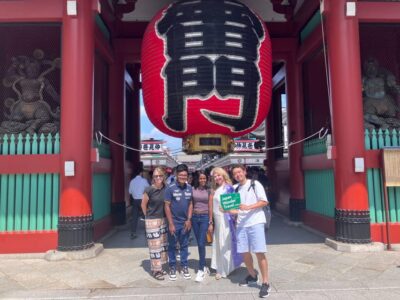
Starting Near Kaminarimon
The meeting point is at 2-chōme-17-9 Kaminarimon, Taito City, Tokyo 111-0034. This puts you in the Asakusa area, close to public transportation and within one of Tokyo’s best-known old districts.
Plan to arrive with enough time to find the exact address. The experience uses a mobile ticket, and your confirmation is scheduled to arrive within 48 hours of booking, subject to availability. That means you should not leave the booking until the last minute if you have a tight Tokyo schedule.
There is no hotel pickup or drop-off. You make your own way to Kaminarimon, then return there at the end. This is simple for independent visitors, but less convenient if you are staying far from Asakusa or carrying large bags.
Because the tour ends where it begins, you can continue exploring the district afterward. That is a useful bonus. You will already be in position for more Asakusa sightseeing instead of spending time crossing Tokyo after the activity.
Learning Sushi in an English-Speaking Class
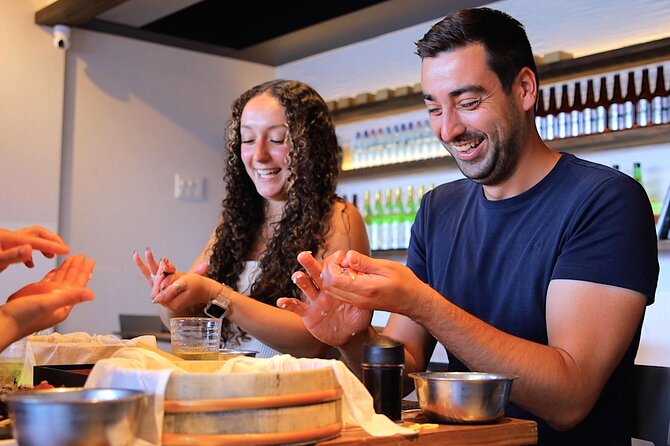
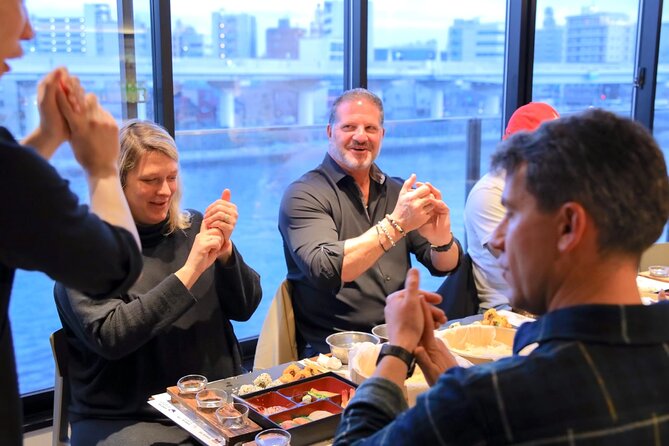
The cooking class is the most hands-on part of the experience. An English-speaking instructor guides you through the preparation, and the cost includes both the ingredients and the meal. That removes the usual worry about whether a cooking activity includes enough food or adds a surprise charge for the ingredients.
You should expect the lesson to focus on making sushi rather than on a long lecture about Japanese cuisine. The real value is in trying the steps yourself. You can ask questions, see how the ingredients are handled, and gain a better feel for the care behind a dish that can look simple when served in a restaurant.
The class also gives you a meal at the end. That matters at this price. You are paying for an activity and food, not simply for a demonstration that ends with a small sample.
The available details do not specify the exact sushi menu, number of pieces, or the type of fish used. Keep that in mind if you have a particular dish in mind. The safe expectation is an instructional sushi-making session with ingredients supplied by the school and a chance to eat what you prepare.
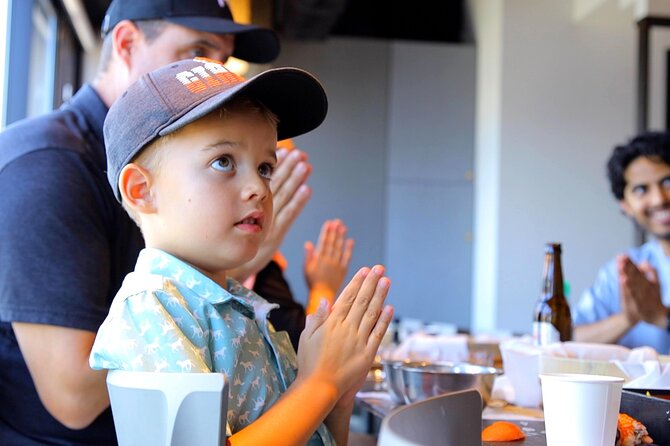
I would choose this class if you want an approachable introduction to sushi and enjoy learning by doing. It is especially suitable for families, couples, and small groups looking for an activity you can share. Since most people can participate, it does not appear designed only for experienced cooks.
The Rickshaw Ride Through Asakusa
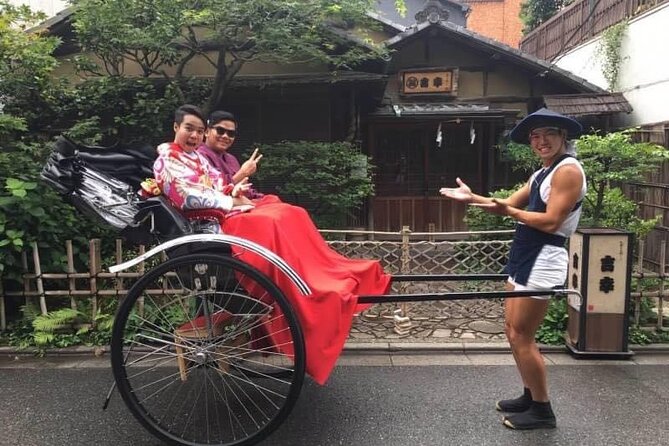
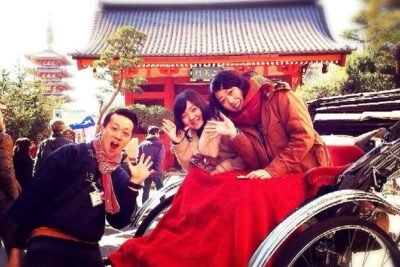
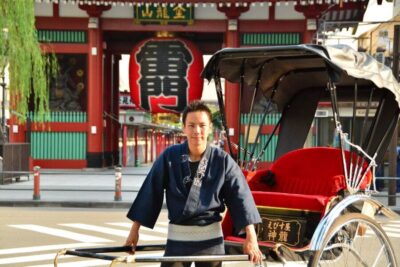
The rickshaw ride lasts about 1.5 hours, making it a serious part of the tour rather than a quick add-on. A local staff member guides you through Asakusa, an area associated with Tokyo’s Edo-period atmosphere.
From a seated rickshaw, you see the district at a different pace. You are not trying to read a map, watch traffic, and take photographs at the same time. Your driver handles the route while explaining the area and pointing out details along the way.
This is where the guide can make or break the experience. Shogo is specifically praised for an excellent ride, and Hero is noted for his kindness, enthusiasm, and genuine interest in meeting people. Those details suggest that the human side of the ride is central to its appeal.
The ride is also a good fit if walking all day sounds tiring. You still see the streets and absorb the setting, but you get a long break from navigating on foot. On the other hand, anyone who dislikes open-air rides or wants complete control over sightseeing stops may prefer an ordinary walking tour.
The tour description presents Asakusa as a place that can make you feel as if you have stepped back into the Edo period. That is best understood as an atmosphere rather than a preserved historical set. Tokyo remains a modern city, but this district offers a stronger old-Tokyo mood than many other parts of the capital.
Weather is an important practical point. The rickshaw portion requires good weather. If conditions are poor, the provider offers another date or a full refund. Bring that flexibility into your planning, especially during a season with frequent rain.
Same streets, a different route:
- Kyoto Rickshaw Tour
★ 5.0 · 210 reviews - Tokyo: Asakusa Sightseeing Tour by Rickshaw
★ 4.9 · 195 reviews - Kyoto: Private Rickshaw Tour of Gion and Higashiyama Area
★ 5.0 · 144 reviews - Otaru Rickshaw Tour
★ 5.0 · 76 reviews
What the Staff Adds to the Experience
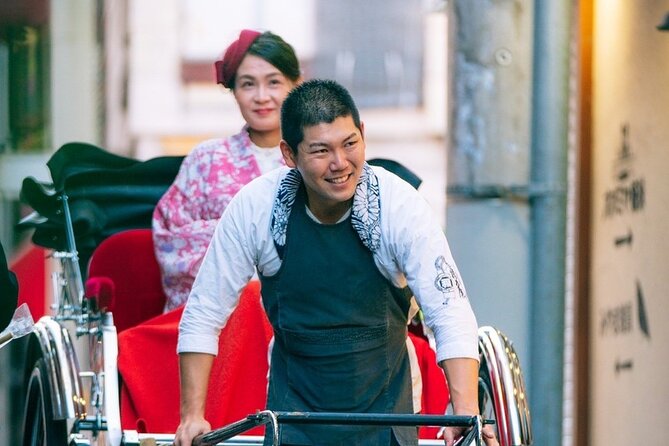
The staff are described as local hosts with overseas experience, and the entire tour is conducted in English. That combination should make the class easier to follow and the sightseeing more comfortable for English-speaking visitors.
The tone appears friendly rather than formal. You are not signing up for a strict culinary certification course. You are joining a cultural activity where conversation, hospitality, and enjoyment matter as much as perfect technique.
The available comments repeatedly highlight staff friendliness. That pattern is worth noting because warmth can make a big difference in a small cooking class. A patient instructor helps beginners feel comfortable, while an entertaining rickshaw guide keeps a long ride from feeling like simple transportation.
Hero receives particular praise for being kind and enthusiastic. Shogo is named in connection with an excellent rickshaw ride. Guide assignments can change, so you should not assume that either person will lead your specific departure, but their mentions give you a sense of the service style to expect.
Is $156.77 a Fair Price?
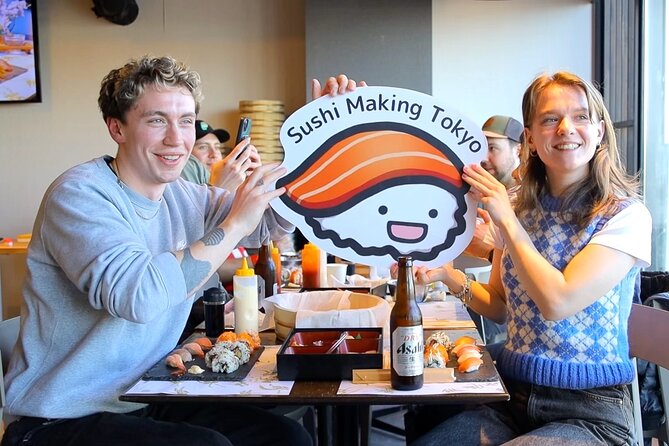
At $156.77 per person, this is not a budget activity. You should judge it as a combined cultural package rather than as a basic cooking class.
The price includes the English-speaking instructor, sushi ingredients, the meal, and the rickshaw experience. The rickshaw ride alone lasts about 1.5 hours, while the full activity takes roughly 3 hours and 30 minutes. If you value both food and sightseeing, the cost becomes easier to justify.
The package is less attractive if you only want to learn one simple sushi technique. You could find cheaper food experiences in Tokyo, and visitors focused on low-cost sightseeing may prefer to explore Asakusa on foot.
I see the best value for someone with limited time who wants one organized activity covering two sides of Japanese culture. You get a meal, a practical lesson, an English-speaking host, and an extended ride through one of Tokyo’s most atmospheric districts.
The group can reach up to 30 people. That is a reasonable maximum for a popular activity, though the feel may vary depending on the number booked on your date. A larger group can mean more social energy, but it may feel less personal than a very small cooking lesson.
Who Should Book This Experience
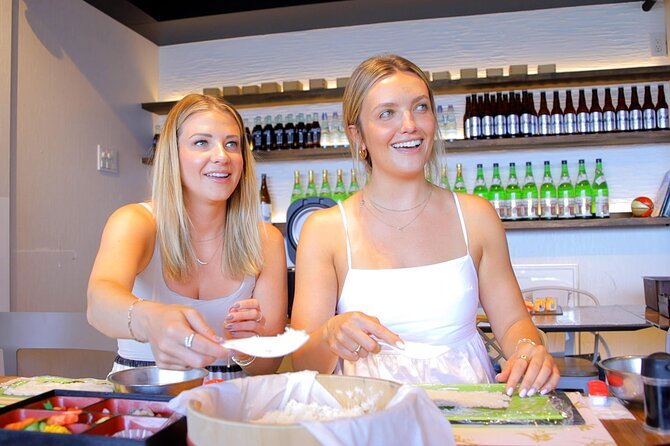
I would recommend this tour to first-time Tokyo visitors who want an easy introduction to Asakusa. It gives you a clear meeting point, English guidance, a meal, and a planned sightseeing route.
It also suits families and mixed-age groups. The cooking class offers something active, while the rickshaw ride provides a calmer stretch. Couples may like the combination of making food together and seeing the district from a traditional carriage.
Food lovers should book if they care about the process as much as the final meal. The class will not replace a serious sushi course, but it can give you a better understanding of how much care goes into a dish you might otherwise simply order.
This may not be the right pick for independent visitors who dislike organized tours. You will follow a set schedule, meet at a fixed location, and share the activity with a group of up to 30 people. It is also not ideal for anyone unwilling to adjust plans because of weather.
Practical Advice Before You Go
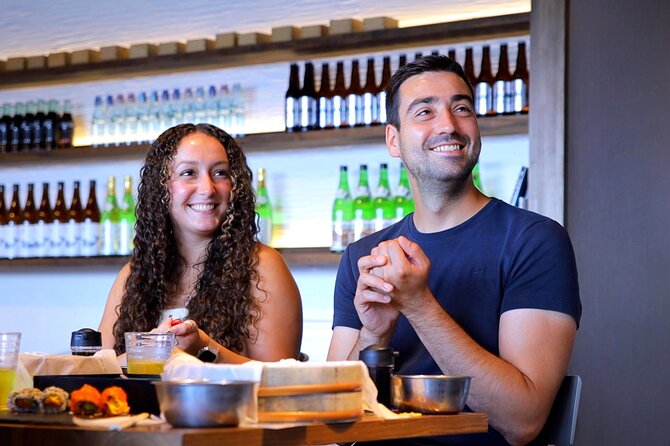
Keep the afternoon or morning around the tour reasonably open. The stated duration is approximately 3 hours and 30 minutes, and Tokyo traffic or the pace of a group activity can make a tightly packed schedule stressful.
Wear comfortable clothing suitable for a cooking class and a seated outdoor ride. The provided details do not list a dress code, but practical clothes are the sensible choice when you will be preparing food and spending time outside.
Check the weather before leaving your accommodation. The rickshaw ride depends on good conditions, and poor weather can change the schedule. Since the activity returns to Kaminarimon, you can plan a meal, shopping, or further sightseeing in Asakusa afterward.
Cancellation is free if you cancel at least 24 hours before the start time. A cancellation within 24 hours is not refunded, and late changes are not accepted. Cutoff times use Tokyo local time, so check carefully if you are booking from another country.
Final Verdict: Book It for Culture With a Human Touch
Book this experience if you want more than a meal and more than a sightseeing loop. The combination of sushi preparation, an included meal, English instruction, and a 1.5-hour rickshaw ride gives you a full half-day look at Asakusa from several angles.
I especially like the balance between participation and observation. You make something with your own hands, then settle back while a local guide handles the route and shares stories. The warm service associated with guides such as Shogo and Hero adds to the appeal.
Skip it if $156.77 is beyond your activity budget, if you want a highly technical sushi course, or if rain could disrupt your schedule. For everyone else, this is a well-rounded choice for a first visit to Asakusa, with enough food, history, and personal contact to feel worthwhile.
FAQ
How long does the sushi and rickshaw tour last?
The experience lasts approximately 3 hours and 30 minutes. The sushi portion is listed at about 1 hour and 50 minutes, and the rickshaw ride takes about 1 hour and 30 minutes.
Where does the tour begin?
It begins at 2-chōme-17-9 Kaminarimon, Taito City, Tokyo 111-0034, Japan.
Where does the activity end?
The tour ends back at the same meeting point in Kaminarimon.
Is the tour conducted in English?
Yes. The entire tour is conducted in English, including the cooking instruction and local hosting.
Are the sushi ingredients and meal included?
Yes. The cooking class includes the ingredients and the meal you prepare.
Is hotel pickup included?
No. Hotel pickup and drop-off are not included. You must travel to the Kaminarimon meeting point yourself.
What happens if the weather is poor?
The experience requires good weather for the rickshaw portion. If it is canceled because of poor weather, you can receive a different date or a full refund.
Just added around Japan
- Exiting Rickshaw ride and Kimono experience★ 5.0 · 4 reviews
- Hot Spring Capital of Yufuin Rickshaw Tour★ 5.0 · 32 reviews
- Kyoto Sagano Insider: Rickshaw and Walking Tour★ 5.0 · 15 reviews
- Private 3-hour Kyoto Arashiyama Rickshaw Tour★ 5.0 · 5 reviews
- Kurashiki Rickshaw Tour★ 5.0 · 39 reviews
- Kamakura Rickshaw Tour★ 5.0 · 53 reviews
- Rickshaw Tour of Kagoshima’s Historical and Cultural Sites★ 5.0 · 4 reviews
- Kamakura Heritage Bike or Walk Tour with ex-Rickshaw guide★ 5.0 · 11 reviews
Tokyo Tuk Tuk Tours, compared.
Asakusa, Tokyo: Rickshaw Experience and Highlights Walking tour
Read our review →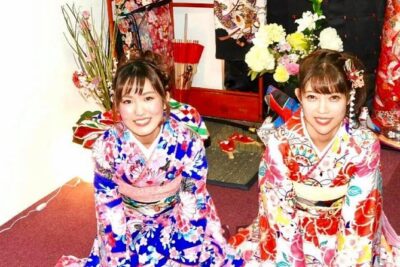
Ride a rickshaw wearing a kimono in Asakusa! Enjoy authentic traditional culture!
Read our review →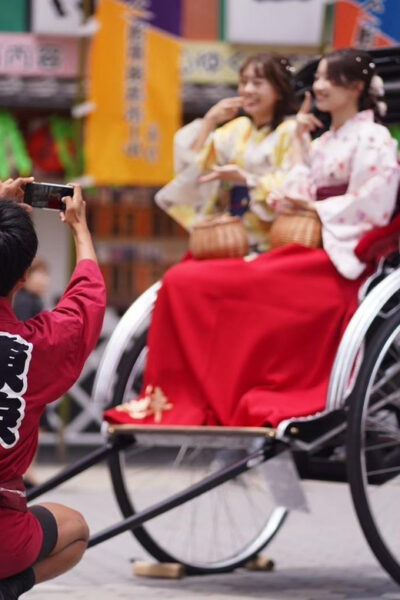
Asakusa Highlights Walking (OP : Rickshaw Experience)
Read our review →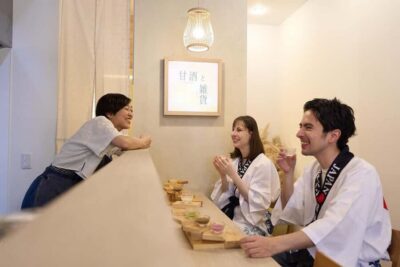
Tokyo Vegan Tour : Miso Making, Tea Ceremony, Rickshaw Ride
Read our review →Browse the lists this tour appears in