
Review · TOKYO
Tokyo Asakusa Rickshaw Tour
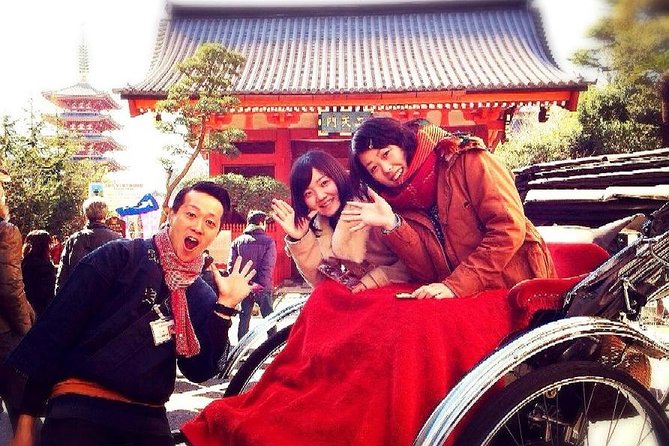
A rickshaw gives you a wonderfully human view of Asakusa. Instead of peering through a bus window, you sit close to the streets while your driver pedals past Edo-period facades, small shrines, old theaters, and leafy lanes. The route can be shaped around your interests, which is useful in a neighborhood where a busy temple district can turn into a quiet residential street within minutes.
I especially like two things here. First, the ride covers a lot of Asakusa without making you walk every step. Second, the guides make the outing personal. Drivers such as Koko, Takumi, Nene, Yusuke, Micchy, and BUCHI are praised for their humor, history lessons, restaurant suggestions, and photo help. The main consideration is comfort: a rickshaw is only 29.1 inches, or 74 centimeters, wide, so two adults sit close together.
Key points to know before booking
- Choose your focus: Ask for shrines, old entertainment streets, gardens, Skytree views, or a broad introduction to Asakusa.
- Pick the right length: A 30-minute ride gives you a quick look, while two or three hours allow time for several stops and more conversation.
- Expect a private experience: Only your group rides together, with a maximum of two adults per rickshaw.
- Look for local details: Ushijima Shrine has an unusual three-entrance gate, while Honryuin Matsuchiyama Shoden is known for its radishes.
- Plan for a snug seat: Larger passengers may be more comfortable booking one rickshaw per person.
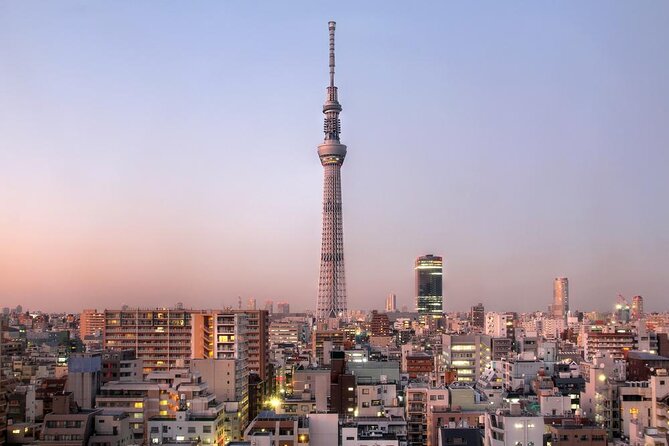
- Use the ride for photos: The Sumida River and Tokyo Skytree offer one of the best picture stops on the route.
Why a rickshaw works so well in Asakusa
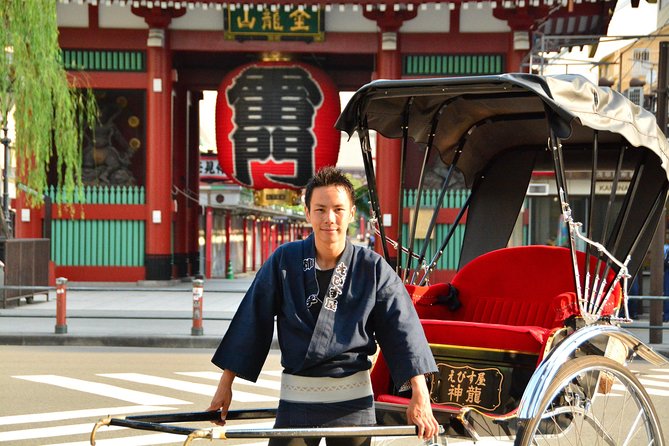
Asakusa is one of the easiest parts of Tokyo to enjoy at street level. The area combines religious sites, small houses, shops, gardens, entertainment history, and modern towers. A rickshaw lets you move between these pockets without losing the feel of the neighborhood.
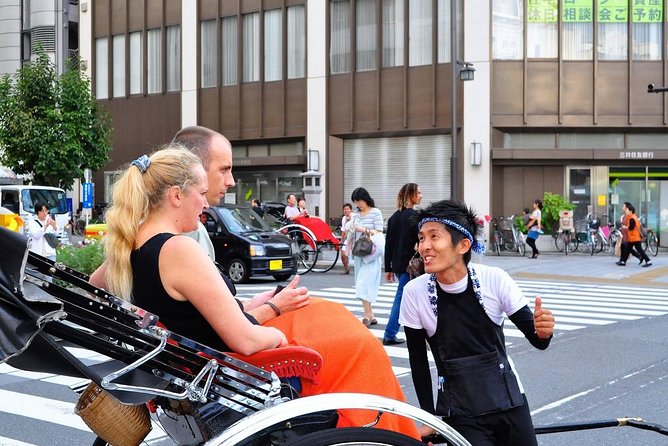
Your driver pedals from the meeting point near Asakusa Station and explains what you are seeing along the way. This is not a silent taxi ride. You can ask why a shrine has a certain gate, what a symbol means, or where to eat after the tour.
I like the pace. You are moving slowly enough to notice details, but quickly enough to cover more ground than you could on foot. The raised seat also gives you a clear view over some street-level obstacles. You can take photos while your driver points out corners you might otherwise pass.
The tour is private, so you do not have to follow another group’s interests. Tell your driver if you care most about religion, local history, old Tokyo, anime references, gardens, or photo stops. Shorter rides cannot include every location, so speaking up at the start matters.
More Rickshaw Tours in Japan
- Kyoto: Arashiyama Customized Rickshaw Tour & Bamboo Forest
★ 5.0 · 432 reviews - Kyoto Arashiyama Rickshaw Tour with Bamboo Forest
★ 5.0 · 354 reviews - Kyoto Rickshaw Tour
★ 5.0 · 210 reviews
The first ride from Asakusa Station
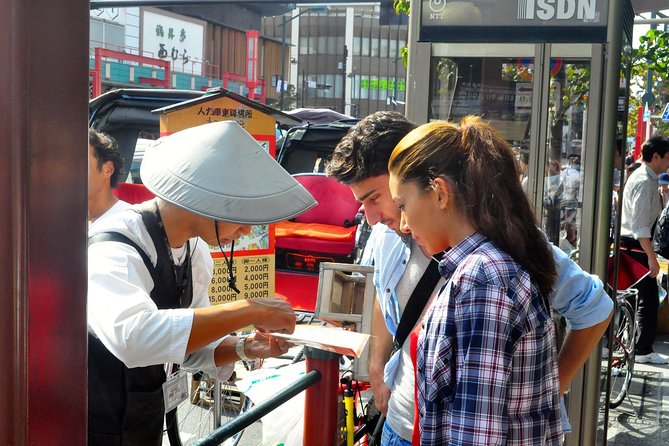
The tour begins at 1-chome-1-4 Asakusa, close to public transportation and outside Asakusa Station. Your driver meets you there, then helps you settle into the rickshaw before discussing the route.
The first few minutes are useful for setting expectations. If you have only 30 minutes, ask for a tight circuit with one or two major stops. With 45 minutes or an hour, you can usually create a better balance between riding and short visits. The three-hour option is best if you want several shrines, old streets, riverside views, and time for questions.
The ride is not allowed through the Sensoji Temple and Asakusa Temple grounds or along Nakamise shopping street. That is worth knowing before you book. You will see the temple area from permitted streets and visit nearby sites, but the rickshaw does not carry you through the central pedestrian route.
Ushijima Shrine and the Lucky Fortune Cow
Ushijima Shrine is one of the tour’s most interesting stops because it gives you a question to ask right away: why does the shrine gate have three entrances instead of the usual single opening?
The stop lasts about 15 minutes, and admission is not included because there is no separate ticket listed for the visit. Your driver explains the shrine’s meaning and customs, then gives you time to look around.
The nearby garden area includes the Lucky Fortune Cow Shrine. This is the kind of small detail that makes the ride more than a checklist of famous sights. You get a quiet pause, a chance to stretch your legs, and a glimpse of how religious places fit into everyday neighborhood life.
I would pay attention here if you want cultural context rather than only photographs. The tour also helps explain the difference between Shinto and Buddhism, an important part of understanding why both traditions appear so close together in Asakusa.
Honryuin Matsuchiyama Shoden and its radishes
Honryuin Matsuchiyama Shoden is a Buddhist temple associated with Sensoji. Its most memorable feature is easy to spot: radishes appear throughout the temple, including on the lanterns.
Your driver explains why the vegetable has such a strong connection to the temple. The stop takes about 15 minutes, with no admission ticket included. It is a compact visit, but the unusual symbols give you something concrete to remember.
I find stops like this more useful than a long string of grand buildings. You are not just told that the temple is old. You are given a visual clue and a story that helps the place stick in your mind. If you are traveling with children, the radish theme also gives them something specific to look for.
Same streets, a different route:
- Tokyo: Asakusa Sightseeing Tour by Rickshaw
★ 4.9 · 195 reviews - Kyoto: Private Rickshaw Tour of Gion and Higashiyama Area
★ 5.0 · 144 reviews - Otaru Rickshaw Tour
★ 5.0 · 76 reviews - Kamakura Rickshaw Tour
★ 5.0 · 53 reviews
Imado Shrine and the beckoning cats
Imado Shrine brings a different mood. Instead of radishes, you find cat figures, especially manekineko, the beckoning cat associated with good fortune.
The shrine is another roughly 15-minute stop. It is a good choice if you enjoy Japanese folk symbols, small religious sites, or unusual photo subjects. Your driver can explain the shrine’s place in local culture while you look at the cat figures.
The route may also include the Imado and Ushijima shrines together, depending on the duration and the plan you choose. Ask your driver to confirm the order at the beginning, since a short ride cannot fit every listed stop.
Sensoji, Asakusa Shrine, and the rules around the temple
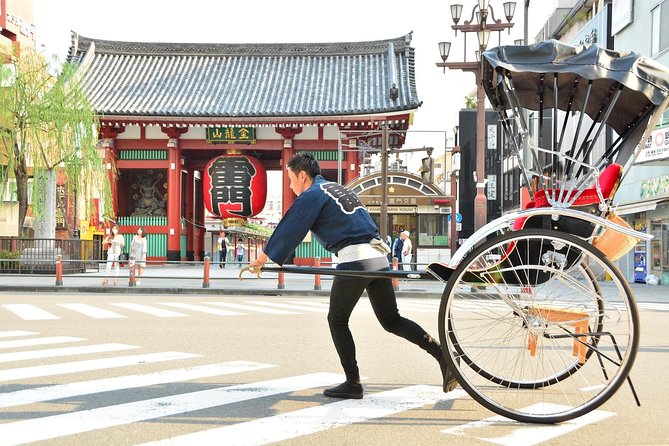
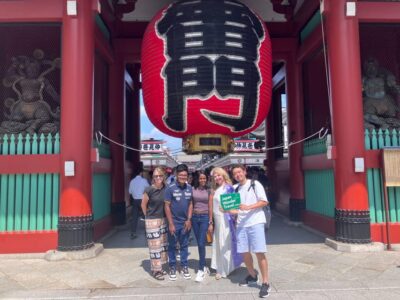
Sensoji is the major religious sight in Asakusa, with its bright gate leading toward the temple and Asakusa Shrine. The approach is colorful and memorable, but it is also one of the busiest parts of the neighborhood.
The rickshaw cannot ride through the temple buildings, temple grounds, or Nakamise shopping street. Instead, you see the area from approved streets and may stop nearby. This is a sensible arrangement because the temple grounds are meant for walking, viewing, and worship, not vehicle traffic.
Asakusa Shrine sits on the temple grounds. Here your driver can explain how Shinto and Buddhism have coexisted in Japan. That short explanation adds real value, since the two traditions can look similar to first-time visitors but have different practices and identities.
I would not book this ride expecting a private carriage directly to the temple gate. Book it for the wider Asakusa story, then plan to walk through Sensoji separately if you have time.
The old entertainment district and Rokku Street
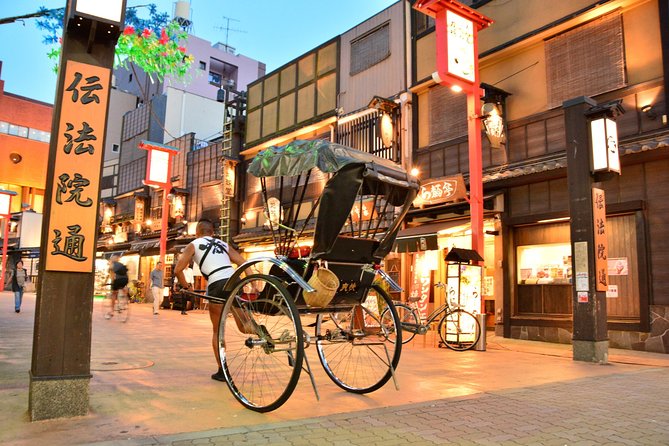
Asakusa was once one of Tokyo’s main entertainment centers, and the tour takes you through streets tied to that past. One stop covers a venue that remains connected with comedy and shows. Another is Rokku Street, once Tokyo’s leading prewar entertainment district, with cinemas and theaters lining the area.
This part of the ride adds balance. Asakusa is not only shrines and gardens. It also has a theatrical, playful side, with old entertainment traditions still visible in the shape of the streets and venues.
You may also pass a quirky street filled with raccoon figures. The raccoon theme is repeated every few meters, making this a fun stop for photos and an easy way to see the neighborhood’s lighter side.
The tour can include an old street with shopfronts and housing facades dating from the Edo period. These buildings help you picture how the district looked before modern towers and large commercial blocks changed the city. Do not expect an untouched historic village. The appeal is the mixture of old and new.
Hanayashiki and the Asahi Beer headquarters
Hanayashiki, one of Japan’s oldest amusement parks still in operation, adds another layer to the route. It is a reminder that Asakusa has long been a place for leisure, not just worship and commerce.
The Asahi Beer headquarters provides the modern counterpoint. The building is famous for the golden flame shape on top. It is also a useful orientation point in the wider Asakusa area, and your driver may connect the building to the city views across the Sumida River.
These stops show why the rickshaw works here. You can move from a traditional shrine to an amusement park, then to a major corporate building, without leaving the same neighborhood. That contrast is one of the most satisfying parts of the experience.
Sumida Park and the Tokyo Skytree view
Sumida Park runs along the Sumida River and is especially attractive during cherry blossom season. It offers room to pause after the tighter streets and a clear view toward Tokyo Skytree across the water.
This is one of the best places for photographs. Your driver can position the rickshaw and help with pictures, a detail that comes up often in the experience. Several drivers, including Yusuke and Taisei, are praised for making the photo stops easy and fun.
The riverfront also changes the pace of the tour. You are no longer looking up at buildings from a narrow street. You have open space, water, and a modern tower in the same frame. In spring, the cherry trees make the park especially appealing, while maple trees add seasonal color at other times of year.
What the guides add to the experience
The driver is the heart of this tour. The vehicle is memorable, but the quality of the experience depends on how well your guide reads your interests and explains the neighborhood.
English and Japanese-speaking drivers are available, subject to availability, so state your preferred language when booking. Guides named in the feedback include Koko, Takumi, Nene, Yusuke, Micchy, BUCHI, Kei, Issy, Taisei, and Kazumasu-san.
The strongest guide experiences combine several useful skills. You want someone who can explain a shrine in plain language, keep the ride lively, handle Tokyo streets safely, and take a decent photo. Takumi is praised for fluent English and practical recommendations. Koko is repeatedly described as friendly, energetic, and attentive. Yusuke is noted for making passengers feel comfortable despite the snug seating.
Some drivers also help with restaurant suggestions in Asakusa. That can be valuable because the tour ends near the neighborhood’s dining streets, and you may prefer advice based on your route and interests.
Price, duration, and comfort
At $42.90 per person, the price is reasonable for a private introduction to Asakusa, especially if two people share one rickshaw and choose a short or medium ride. You are paying for the driver, the vehicle, local explanations, and the ability to shape the route, not for food, drinks, or hotel transportation.
The price makes more sense when you use the guide well. Ask questions, request specific photo stops, and say which subjects interest you. A silent ride through the streets would offer less value than an active conversation about shrines, entertainment history, and local customs.
Two adults can share one rickshaw, but the seat is 74 centimeters wide. It may feel snug even if you fit. If you are concerned about space, book separate rickshaws in advance. If two people in your party need separate rickshaws, availability of another English-speaking guide cannot be guaranteed if you wait until the day of the tour.
Children aged six and older pay adult rates. Children five and younger can ride free on an adult’s lap, within the stated seating limits. A maximum of two adults can ride in one rickshaw, and up to two small children can join two adults if they sit on adult laps. If a five-year-old uses one of the two seats, book that child as an adult.
Weather, finishing point, and practical planning
The experience depends on good weather. If poor weather forces cancellation, you receive the choice of another date or a full refund. In light rain, the ride may still be comfortable with the provided protection, but conditions can affect the route and your enjoyment.
The standard ending is near Kan’non-dori in Asakusa, but you can discuss another nearby finishing point with your driver. A different drop-off may bring an extra fee payable that day.
Hotel pickup and drop-off are not included. Make your own way to the starting point near Asakusa Station, and allow a little time to find the meeting area. A mobile ticket is provided, and confirmation arrives at booking.
Free cancellation is available up to 24 hours before the start time. Changes made inside that window are not accepted, and late cancellations are not refunded.
Who should book this Asakusa ride?
I would recommend it to first-time visitors who want a quick orientation, couples looking for a memorable shared activity, families who need a break from walking, and anyone curious about the contrast between old Tokyo and modern Tokyo.
It also suits photographers. The Skytree view, Sumida Park, shrine details, raccoon figures, cats, lanterns, and old streets give you a steady supply of subjects.
I would be more cautious if you dislike close seating, expect a long ride through the Sensoji grounds, or want every listed sight in a 30-minute booking. The tour is customizable, but time still matters.
Should you book it?
Book this tour if you want a personal introduction to Asakusa, not simply transportation. The best value comes from choosing at least enough time for several stops, asking for the sights that matter to you, and treating the driver as your local interpreter.
For a first visit, I would choose 45 minutes to two hours if your budget allows. Thirty minutes is fine for a quick overview and a few photographs, while three hours gives the neighborhood room to unfold. If you can handle the snug seat and accept that Sensoji itself must be explored on foot, this is a lively, practical way to understand Asakusa before continuing on your own.
FAQ
Where does the Tokyo Asakusa Rickshaw Tour begin?
The meeting point is at 1-chōme-1-4 Asakusa, Taito City, Tokyo 111-0032, Japan, outside Asakusa Station.
Where does the tour finish?
The listed finishing point is near Kan’non-dōri at 1-chōme-2-11 Asakusa, Taito City, Tokyo. You can discuss another finishing location with your guide, though an extra drop-off fee may apply.
How long does the rickshaw tour last?
Available tour lengths range from about 30 minutes to three hours. Shorter tours cannot include every location listed.
Can I customize the route?
Yes. Tell your driver what interests you most, such as shrines, old streets, gardens, entertainment history, religious sites, or Tokyo Skytree views.
How many adults can ride in one rickshaw?
A maximum of two adults can ride in one rickshaw. The rickshaw is 74 centimeters wide, so some passengers may prefer to book separate vehicles.
Can children ride for free?
Children aged five and under may ride free on an adult’s lap, within the stated seating limits. Children aged six and older pay the adult price. If a five-year-old uses one of the two rickshaw seats, that child must be booked as an adult.
Is the tour available in English?
An English or Japanese-speaking driver and guide is available, subject to availability. State your preferred language when booking.
What happens if the weather is poor?
The experience requires good weather. If the provider cancels because of poor conditions, you can choose another date or receive a full refund.
Just added around Japan
- Sushi Making Tokyo with Traditional Rickshaw Ride Tour in Asakusa★ 5.0 · 12 reviews
- Exiting Rickshaw ride and Kimono experience★ 5.0 · 4 reviews
- Hot Spring Capital of Yufuin Rickshaw Tour★ 5.0 · 32 reviews
- Kyoto Sagano Insider: Rickshaw and Walking Tour★ 5.0 · 15 reviews
- Kurashiki Rickshaw Tour★ 5.0 · 39 reviews
- Private 3-hour Kyoto Arashiyama Rickshaw Tour★ 5.0 · 5 reviews
- Kamakura Rickshaw Tour★ 5.0 · 53 reviews
- Rickshaw Tour of Kagoshima’s Historical and Cultural Sites★ 5.0 · 4 reviews
Tokyo Tuk Tuk Tours, compared.
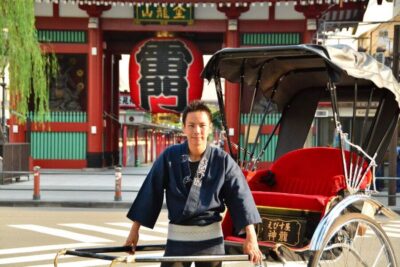
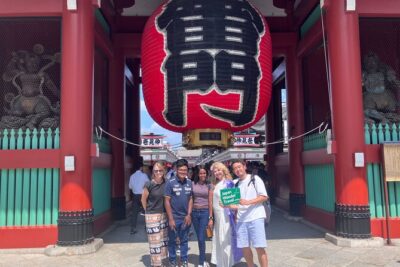
Asakusa, Tokyo: Rickshaw Experience and Highlights Walking tour
Read our review →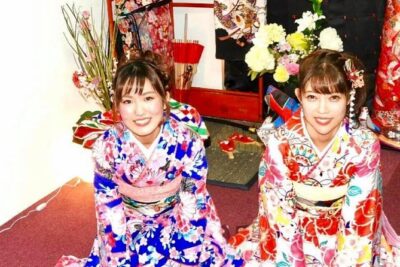
Ride a rickshaw wearing a kimono in Asakusa! Enjoy authentic traditional culture!
Read our review →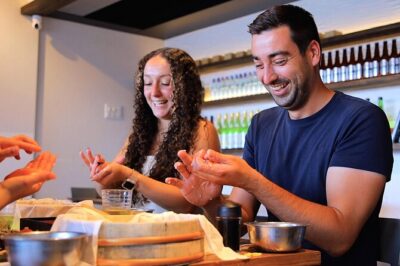
Sushi Making Tokyo with Traditional Rickshaw Ride Tour in Asakusa
Read our review →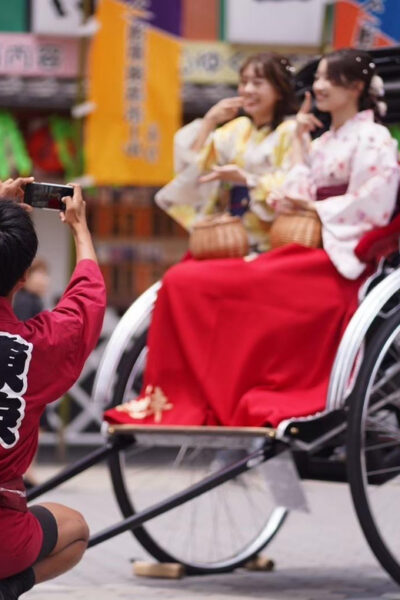
Asakusa Highlights Walking (OP : Rickshaw Experience)
Read our review →
Tokyo Vegan Tour : Miso Making, Tea Ceremony, Rickshaw Ride
Read our review →Browse the lists this tour appears in