
Review · 3-HOUR EXPERIENCES
Vienna: Tour RAXI (electric rickshaw) 3 hours in Vienna
Vienna looks different from the front seat of an electric rickshaw. You glide through grand streets, quiet back roads, parks, and bike routes while Nicole explains the city around you. The open view is the real treat: nothing blocks your sightline, and you can see far more than from inside a car.
I like the private, custom route and the chance to reach places many first-time visitors skip, including Vienna’s oldest Gothic residential tower and the Danube Park. I also like the low-effort format. You can see a wide stretch of the city without spending three hours on your feet.
The main catch is exposure to the weather. Even in July, the rickshaw can feel chilly once it is moving, so bring more layers than you think you need. This is also a bicycle-based ride, not a car tour, and it has firm limits on luggage, weight, wind, and road conditions.
Key points to know before booking
- Nicole shapes the route around you: Ask for architecture, history, parks, or specific buildings when you book.
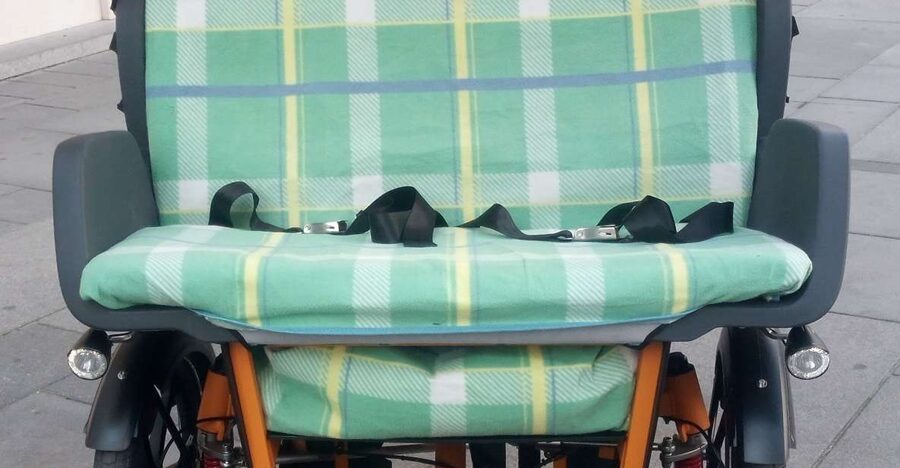
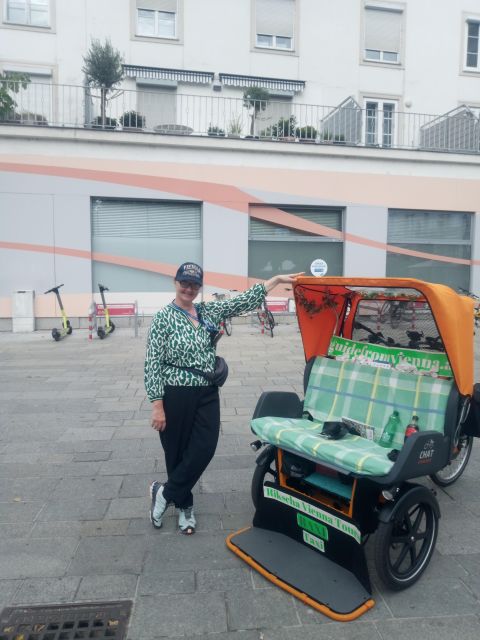
- The front seats give you a clear view: You sit ahead of the driver, with an open sightline across Vienna.
- The route reaches several districts: Expect the historic center, Prater, Old Danube, Donau Park, Danube Canal, and Hundertwasser House.
- It is designed for two adults: The combined passenger weight cannot exceed 180 kilograms, and large bags are not allowed.
- Little walking is required: This suits anyone who tires easily, though some walking is still needed if bad weather forces a public transport backup.
- Dress for moving air: A heated battery blanket is supplied in cold weather, but warm layers remain important.
Seeing Vienna from a quiet front-row seat
A standard walking tour keeps you close to the center. A bus tour covers more ground but often leaves you looking through glass. The RAXI sits between the two. You move slowly enough to see street details, yet you cover parks and outer districts that would take time to reach on foot.
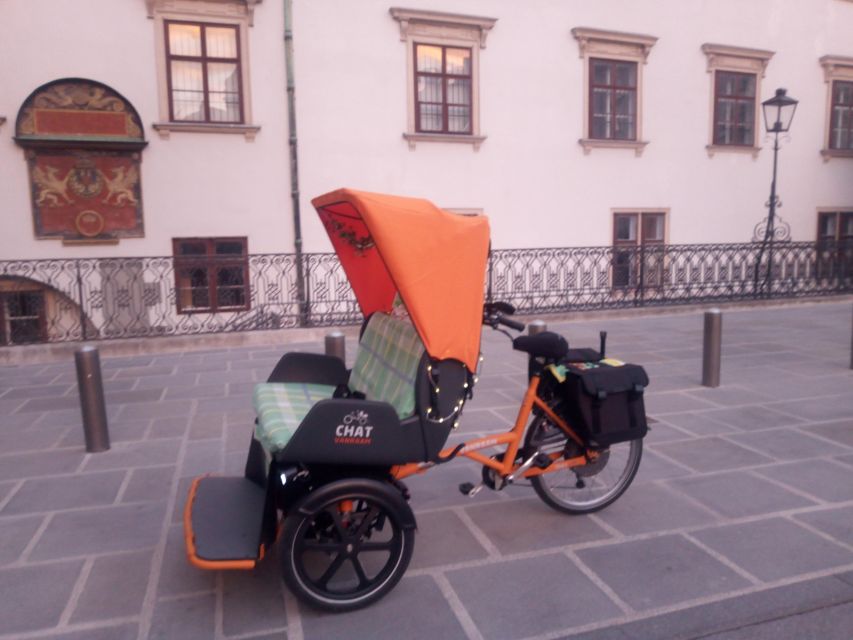
I like the sense of access. Since the vehicle can use suitable two-wheel routes, you may pass through places that are awkward for a larger vehicle. You are not sealed off from the city, either. The orange canopy protects you, but you still hear and see Vienna as you move through it.
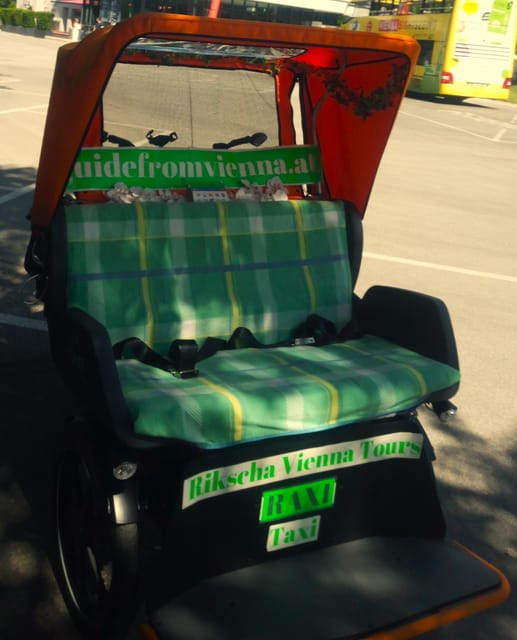
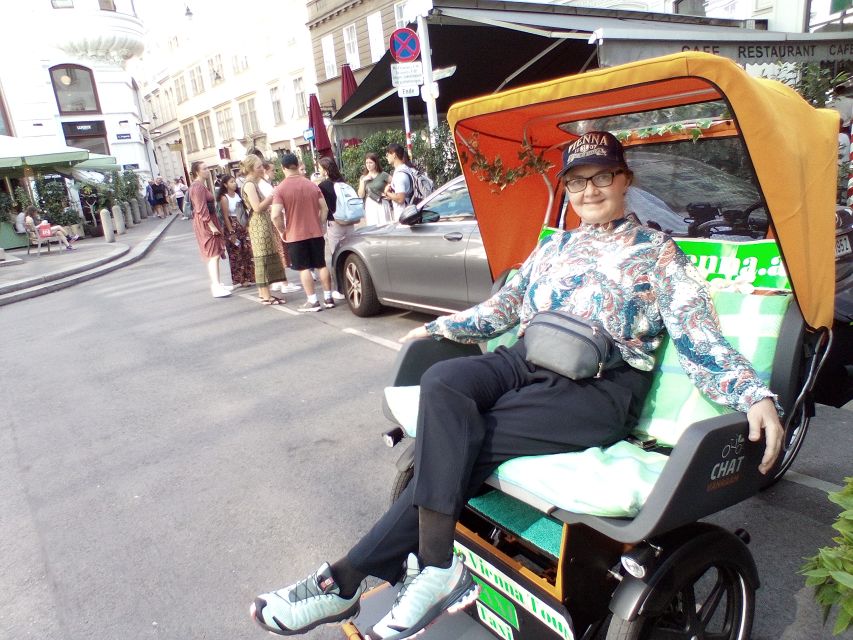
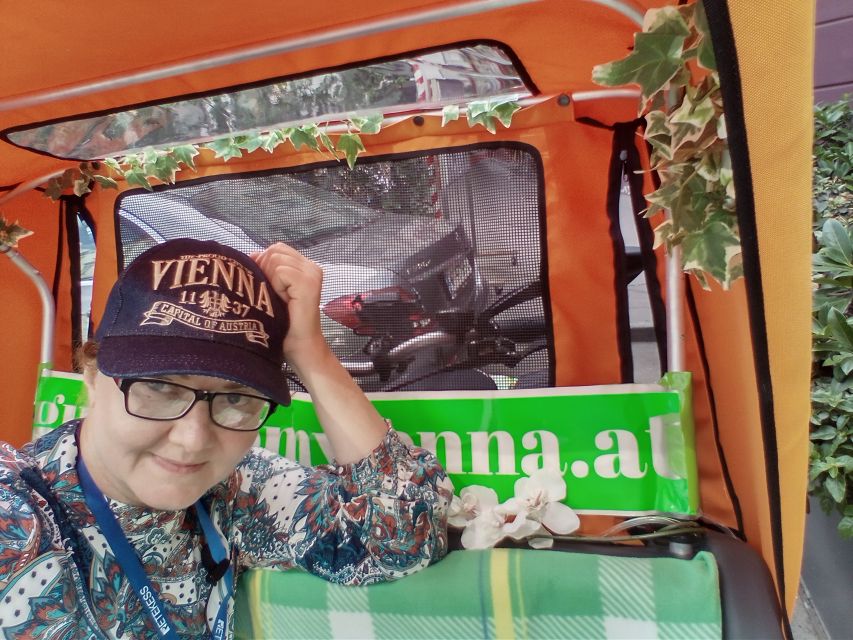
The seating arrangement matters. You sit in front of Nicole, so there is no driver blocking the view. That makes it easy to take photos, look up at façades, and point out something you want to examine. Headsets help you hear the commentary clearly, which is useful beside traffic or in windy areas.
Nicole is the guide and driver. Her English and German tours focus on Vienna’s story, buildings, and lesser-known corners. She can adjust the route to your interests, so tell her if you care most about architecture, imperial Vienna, parks, or city planning.
More Rickshaw Tours in the world:
- Tokyo Asakusa Rickshaw Tour
★ 5.0 · 1,375 reviews - Bruges: Guided Rickshaw Tour
★ 4.9 · 1,199 reviews - Old Delhi Food, Heritage&Cultural Walk with Rickshaw ride to Masterji Kee Haveli
★ 5.0 · 742 reviews
A three-hour route with room to personalize
The tour has several possible meeting and finishing points: Michaelerplatz, Herrengasse, Café Landtmann, Reichsbrücke, and Praterstern. Hotel pickup and drop-off may be possible, depending on construction and bike routes. Confirm your address before the tour rather than assuming the rickshaw can reach every hotel entrance.
After a five-minute safety briefing, you settle into the rickshaw. The exact order of sights can change because the route is designed for your interests. A guest with limited time once used the ride to cover a personal list of architectural sites, stopping to get out for photos and a closer look.
That is the strength of a private tour. You can ask Nicole to spend more time on a building that catches your eye, or move on from a subject that does not interest you. The tradeoff is that this is not a fixed, highly scripted sightseeing circuit. Your final route depends on your requests, traffic, weather, and the time available.
Historic Vienna begins around the Hofburg
The historic-center portion can include about two hours of guided sightseeing, depending on the route Nicole designs with you. Michaelerplatz and Herrengasse are useful starting points because they place you close to the imperial center and major historic streets.
Here, the appeal is architectural variety. Vienna puts formal imperial buildings, older church architecture, and modern additions close together. From the rickshaw, you can study façades without constantly stopping to navigate crowds or pavement.
Ask Nicole to focus on architecture if that is your interest. She can point out details that are easy to miss when you are rushing between famous sights. If you want a broader introduction, ask for the city’s political and imperial story instead.
The practical advantage is reduced walking. The historic center still offers the best setting for getting out briefly to take photographs, but you can also remain seated for much of the route. If mobility is your reason for booking, tell Nicole in advance what you can manage. The experience is not wheelchair accessible, and it is not completely free of walking in every situation.
Prater, the imperial family’s recreation ground
The Prater adds a different side of Vienna. Instead of grand center-city façades, you get open public space and a more relaxed setting. The route connects the park with the old imperial tradition associated with the Danube and Vienna’s royal past.
You may find the rickshaw especially useful here because a larger sightseeing vehicle would feel out of place, while walking the full distance can take energy. Nicole’s commentary gives the park more meaning than a quick ride on a fairground attraction or a passing visit.
The itinerary allows about 30 minutes for a guided look at the Prater. That is enough to understand its place in Vienna, but not enough for an extended stop at every attraction. If you want a long amusement-park visit, this tour is not designed for that. It is a city tour that uses the Prater as one part of a wider route.
The pickup point at Praterstern can also make sense if you are already in this part of town. The meeting point is on the bike way, in front of the dinner gondel, according to the provided directions. Contact Nicole if you have trouble finding it.
A few more rides around the world worth a look
- Visiting 9 Places in 3 hours Share Tour by Tuk-Tuk
★ 4.9 · 293 reviews - Tuk Tuk Athens Complete City Center Tour – 100% Electric (3 hour)
★ 5.0 · 252 reviews - Athens: Private 3-Hour City Tour on Eco-Friendly Tuk Tuk
★ 4.8 · 248 reviews - 3-hour Old Delhi Heritage Walking tour with Rickshaw Ride
★ 5.0 · 240 reviews
Old Danube and Donau Park: Vienna away from the postcards
The Old Danube shows a calmer side of the city. It gives the route space and a break from the dense center. The listed program allows about one hour for this section, though the overall three-hour ride means Nicole will set the exact balance between stops.
Donau Park adds another broad green area to the route. You get a useful contrast here: Vienna is not only palaces and museums. Parks, water, and open spaces are part of everyday city life, and they help explain why the city can feel spacious even after a morning among monumental buildings.
These areas are particularly useful for anyone who has already seen the core sights. You still get historical and architectural commentary, but you are also seeing how Vienna functions beyond its postcard center. The rickshaw means you can connect these districts without changing trains or working out a complicated public transport route.
Do not expect a long picnic stop unless you arrange it with Nicole. The tour supplies a large waterproof picnic blanket for windy or rainy weather, but the blanket is mainly practical equipment for comfort and protection. The focus remains on moving through the city.
Hundertwasser House and Vienna’s playful modern side
Hundertwasser House is one of the strongest reasons to choose this route if you like unusual architecture. Its irregular forms and colorful surfaces are a sharp change from Vienna’s formal imperial streets.
The building is presented as the first ecological building in Europe, and Nicole uses it to explain a different approach to urban design. You can compare the older city center with a building that challenges straight lines, uniform façades, and conventional ideas about how apartment buildings should look.
The route gives this stop about an hour of guided attention in the listed plan. That makes it more than a quick photo stop. Still, confirm how much time you want to spend here, since the ride also includes several other districts.
I would put Hundertwasser House high on your request list if architecture is your main interest. It is also a good choice for repeat visitors who have already seen the Hofburg and central churches. The rickshaw helps by linking this distinctive building with the Danube Canal and Prater without making you walk between separate sightseeing zones.
The Danube Canal and the city’s changing edges
The Danube Canal offers another view of Vienna’s relationship with water and transport. It brings you out of the formal center and into a more mixed urban setting. The route can show you older structures beside newer development, which fits the tour’s focus on old and modern Vienna together.
The canal section is listed as about an hour of guided sightseeing. The pace should suit you if you enjoy looking at the city rather than collecting only famous interiors. From the open rickshaw, you can watch the streets change as you move along the water.
A useful detail is that the route can begin or end at Reichsbrücke. If you arrive by ship, Nicole asks you to provide your landing number so she can coordinate the meeting point. That makes this a practical option for a short Vienna stop, provided the timing works with your arrival and departure.
What the RAXI feels like in real use
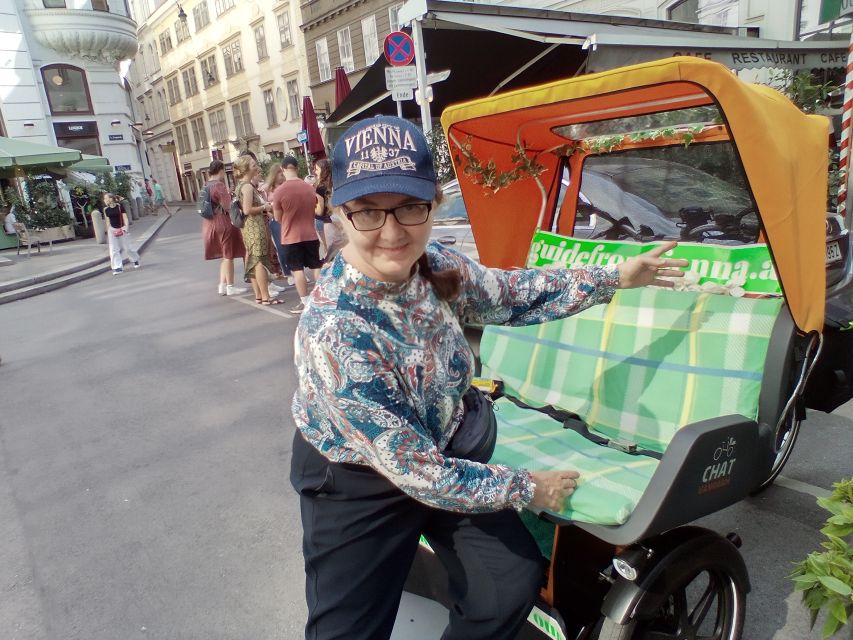
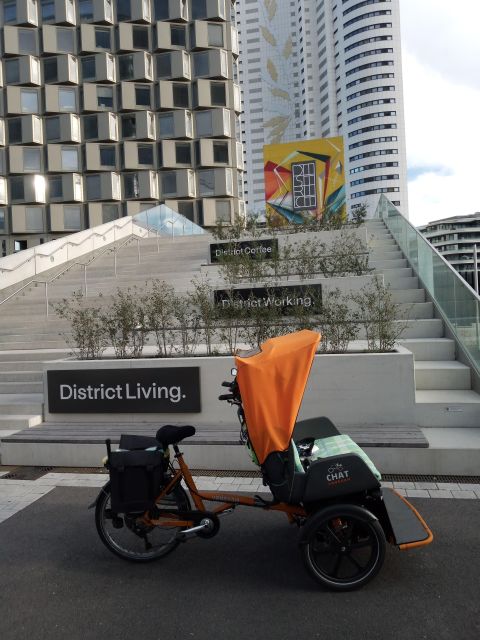
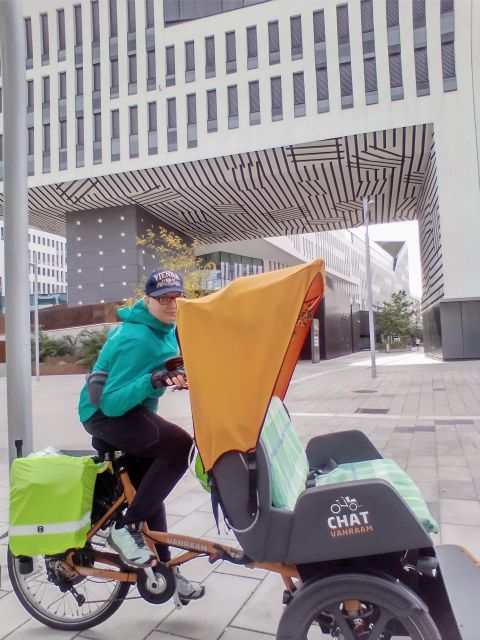
This is not a covered automobile. The RAXI is a newly designed electric rickshaw from the Netherlands, built for two adults. It has shock absorbers, an orange canopy, and a retractable footplate that makes getting in and out easier.
The motor sits beneath the driver’s seat, so engine heat does not reach you. That matters on warmer days, though the stated operating range is limited to temperatures from 2°C to 30°C. The ride can operate in light rain or snow with a rain cover, as long as the roads are safe.
Nicole checks the vehicle monthly in workshops, but you should still think of it as a bicycle, not a car. It is exposed, slower, and more affected by wind and slippery surfaces. The maximum wind speed is listed as 50 kilometers per hour, and the combined weight of two passengers cannot exceed 180 kilograms.
The equipment is thoughtful. You get a heated battery-powered blanket for cold weather and a waterproof picnic blanket for windy or rainy conditions. Two walking sticks or hiking sticks can also be carried on a special frame. Large bags and luggage are not allowed, so leave suitcases at your hotel or ship.
The weather rules deserve serious attention
The weather policy is clear and fair, but it changes the nature of the booking. If conditions make the RAXI unsafe, Nicole will contact you 48 hours ahead and offer a similar route by public transport. That alternative still requires walking.
If you do not want the public transport version, you can cancel without charge. This gives you a useful choice, but it also means you should not book the experience expecting an enclosed vehicle in poor weather.
Bring a warm layer even in summer. One July booking became very cold in the late afternoon despite jeans and jumpers. The heated blanket helped, but the advice is simple: dress for wind, not just the forecast temperature.
For cold months, the minimum is 2°C when roads are not slippery. For hot months, 30°C is the upper limit. Light rain protection is available, but heavy rain, unsafe roads, or stronger wind can stop the RAXI ride.
Why the private price can make sense
The cost is $182 per group of up to two people, not $182 per passenger. For two, that works out to $91 each. That is more than a shared city sightseeing ride, but this is a private experience with a personal route, hotel pickup when possible, and a guide who drives you for three hours.
The value is strongest if you have mobility limits, a short stay, or a clear list of places you want to connect. You are paying for saved walking time and direct attention, not simply transport from one landmark to another.
It is also a sensible choice for an overnight layover. One afternoon booking covered a long list of architectural sights, with time to stop for photos and hear background on each site. You should still allow a margin for your onward travel, since road conditions and traffic can affect timing.
For two people who want a private introduction to Vienna, the price is reasonable. For a solo visitor on a tight budget, it is harder to justify. Public transport and walking will cost less, though they require more planning and energy.
Who will get the most from this ride
I would recommend the RAXI most strongly to:
- Couples or friends who want a private tour with no extra passengers.
- People who do not walk well or tire quickly.
- Architecture fans who want to compare imperial, Gothic, modern, and ecological design.
- First-time visitors with only a few hours.
- Repeat visitors who want parks, waterways, and less familiar parts of Vienna.
- Anyone who prefers a personal route over a fixed group schedule.
It is less suitable if you want a fast, enclosed vehicle, carry luggage, use a wheelchair, or hope to spend long periods inside attractions. The experience is also not ideal for very cold, hot, wet, or windy days unless you are comfortable with the weather limits.
Booking details worth checking first
The tour is private for up to two people and is offered in English or German. Hotel pickup and drop-off depend on construction and bike paths, so send Nicole your hotel address and agree on the meeting point by email.
The listed meeting points are Herrengasse, Reichsbrücke, Café Landtmann, Michaelerplatz, and Praterstern. You can finish at the original meeting point or ask for another suitable drop-off location.
Free cancellation is available up to 24 hours before departure, and you can reserve now and pay later. Recording Nicole’s explanations is not permitted because the commentary is protected by copyright.
Should you book the Vienna RAXI tour?
Book it if you want to see a broad slice of Vienna with very little walking, especially if architecture, parks, and the Danube matter as much to you as the imperial center. Nicole’s ability to adjust the route is the key advantage, and the clear front view makes the ride feel more personal than a standard vehicle tour.
Skip it if you need wheelchair access, have large bags, dislike open-air transport, or are visiting during weather that may prevent the RAXI ride. If you do book, wear warm layers, share your interests in advance, and use the private format to build a route that fits your Vienna.
FAQ
How long is the Vienna RAXI tour?
The RAXI tour lasts three hours, including the five-minute safety briefing and guided sightseeing along the route.
How many people can ride in the RAXI?
The RAXI carries a maximum of two adults. Their combined weight cannot exceed 180 kilograms.
What places can the tour visit?
The route can include Vienna’s historic center, Prater, Old Danube, Donau Park, the Danube Canal, and Hundertwasser House. The order and emphasis can be adjusted to your interests.
Can I request an architecture or history-focused route?
Yes. You can ask Nicole to shape the route around architecture, history, or another interest. You can also share specific buildings or places you want to see.
Where can I meet the guide?
Meeting point options include Michaelerplatz, Herrengasse, Café Landtmann, Reichsbrücke, and Praterstern. Hotel pickup may be possible, depending on construction and bike routes.
Is hotel pickup and drop-off included?
Hotel pickup and drop-off are included when the location is accessible by the RAXI route. Confirm your address with Nicole before the tour.
What happens if the weather is too bad for the RAXI?
Nicole will contact you 48 hours ahead if weather makes the RAXI ride impossible. A similar tour by public transport may be offered, but it will require walking. You can cancel free of charge if you do not want that alternative.
Is the tour suitable for wheelchair users?
No. The experience is not suitable for wheelchair users. Large bags and luggage are also not allowed.
Just added around the world
- Village Expedition in Yala By Tuk-Tuk from Hambantota Harbor★ 5.0 · 2 reviews
- Winter Champagne Tour by Rickshaw★ 4.3 · 10 reviews
- Valencia: Tuk Tuk Modern Tour★ 5.0 · 6 reviews
- Valencia: Visit the Historic Center of Valencia by Tuk Tuk★ 5.0 · 2 reviews
- Valencia: TukTuk Tours★ 4.9 · 39 reviews
- Udaipur Local Sightseeing Tour by Tuk-tuk (Rikshaw)★ 4.5 · 3 reviews
- Valencia: 1-hour Private Tuk Tuk Tour★ 4.9 · 60 reviews
- Tuktuk tour in historical old lisbon, city center and Belem★ 4.8 · 5 reviews
3-Hour Experiences, compared.
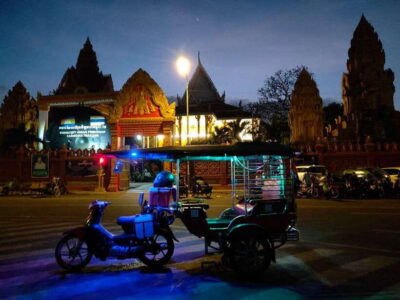
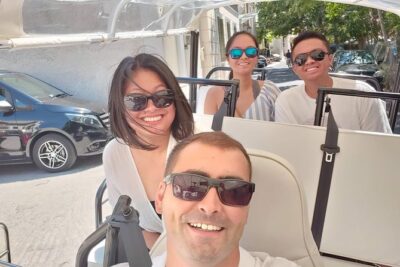
Tuk Tuk Athens Complete City Center Tour – 100% Electric (3 hour)
Read our review →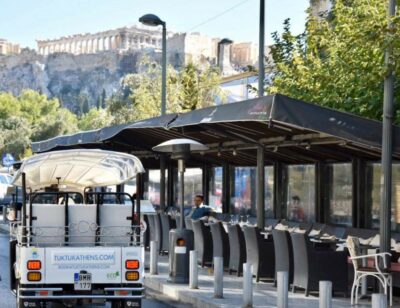
Athens: Private 3-Hour City Tour on Eco-Friendly Tuk Tuk
Read our review →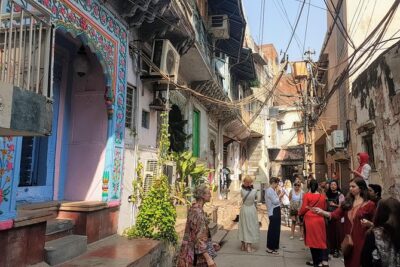
3-hour Old Delhi Heritage Walking tour with Rickshaw Ride
Read our review →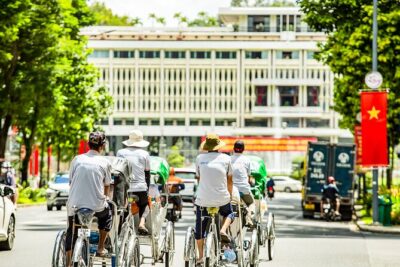
Small-group Saigon City Tour: 3-Hour Cyclo Ride to Hidden Stories
Read our review →3-Hour Old Delhi Heritage Walking tour with Rickshaw ride
Read our review →
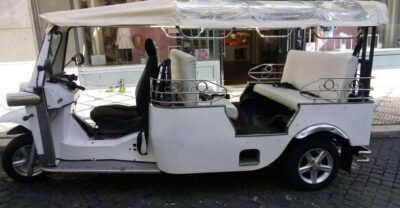
3-Hour Sightseeing Tuk-Tuk Tour with Free Pickup
Read our review →Browse the lists this tour appears in