
Review · TOKYO
Tokyo Vegan Tour : Miso Making, Tea Ceremony, Rickshaw Ride
Tokyo is at its best when food and tradition meet. This four-hour private tour takes you from a hands-on miso and onigiri workshop to a matcha ceremony at Kōdōin, then out onto the streets by rickshaw near Tokyo Tower and Zojoji Temple. You finish with sake tasting at Minato Shuzo, the only sake brewery within Tokyo’s 23 special wards.
I like the careful use of local ingredients, including rice koji from a 150-year-old fermentation shop, Tokyo-grown rice, and freshly harvested nori. I also like the mix of quiet temple customs and city sightseeing. The main consideration is that some parts cost extra: you choose one food workshop or pay more to do both, and a rickshaw ride longer than 10 minutes is not included.
Key points at a glance
- Make your own Japanese food: Choose miso, onigiri, or both for an added fee, using plant-based ingredients.
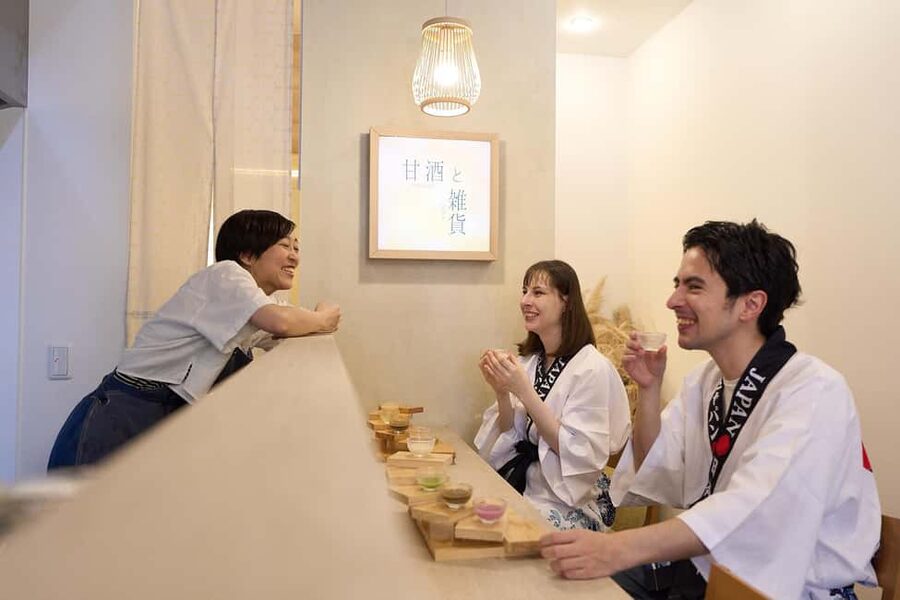
- Taste five types of amazake: The tasting follows the onigiri workshop and gives you a useful introduction to this traditional drink.
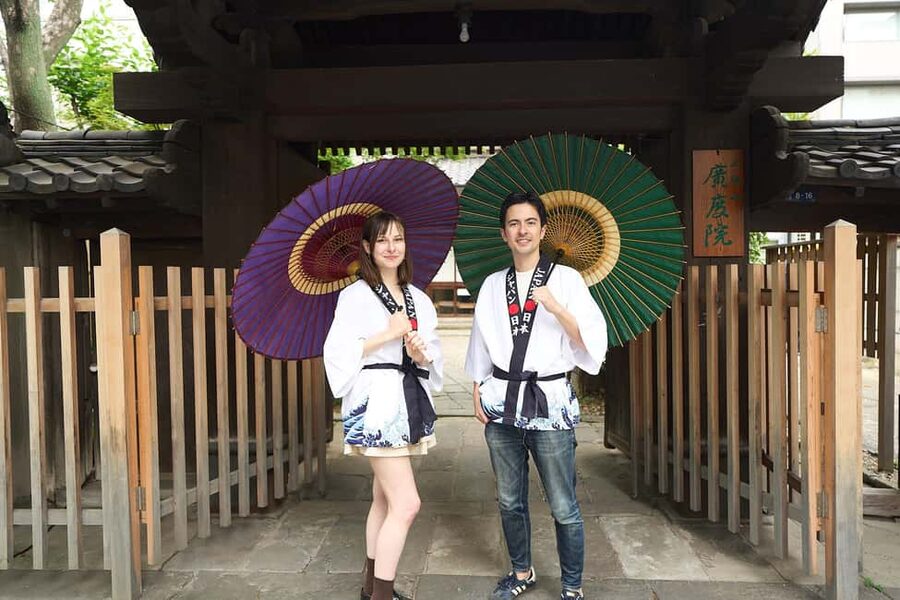
- Visit Kōdōin at Zojoji: The matcha ceremony takes place in a historic sub-temple, away from the rush of central Tokyo.
- See Tokyo Tower by rickshaw: The included ride lasts 10 minutes and offers a comfortable, close-up view of the Minato area.
- Finish with Tokyo sake: Minato Shuzo provides a tasting at the only sake brewery located within Tokyo’s 23 special wards.
- Enjoy a private English-led outing: Konomi guides the experience, while specialists handle the cooking and tea portions.
Why this four-hour Tokyo experience works
This is not simply a food class with a few sightseeing stops attached. The activities connect several parts of Japanese daily life: fermentation, rice, tea, temple customs, local transport, and sake.
I like that the tour gives you something to do with your hands before asking you to sit quietly for tea. Making food helps you understand ingredients and technique. The temple stop then slows the pace. The rickshaw and sake tasting bring you back into the modern city.
The private-group format matters here. You can ask questions without worrying about holding up a large crowd, and the guide can explain unfamiliar customs at a comfortable pace. The experience is conducted in English, with Japanese also available, so it suits you if you want more context than a quick photo stop provides.
The tour costs $62 per person, before any optional additions. That is a fair price for four hours of private guiding, a cooking activity, amazake, a tea experience, a 10-minute rickshaw ride, and sake tasting. Still, check the final cost carefully if you want both food workshops or a longer rickshaw ride. The base price is strongest for someone who wants one food activity and the full cultural route.
More Rickshaw Tours in Japan
- Tokyo Asakusa Rickshaw Tour
★ 5.0 · 1,375 reviews - Kyoto: Arashiyama Customized Rickshaw Tour & Bamboo Forest
★ 5.0 · 432 reviews - Kyoto Arashiyama Rickshaw Tour with Bamboo Forest
★ 5.0 · 354 reviews
Starting at Daimon Station
The meeting point is Daimon Station, Exit A6. This is a practical starting place for the Minato area, and you should arrive ready to begin on foot rather than expecting hotel pickup.
Your guide leads you through the sequence, so you are not left to find each stop alone. The walking sections are short, about five minutes between the main venues. That keeps the tour easy to follow and leaves more time for the activities themselves.
The total tour lasts four hours. The published schedule includes about 90 minutes for cooking, 45 minutes for the temple and tea ceremony, 30 minutes of sightseeing, a 10-minute rickshaw ride, and 15 minutes of tasting. The short walks and transitions fill out the remaining time.
Making miso with old-school koji
The first major stop is a 1.5-hour cooking class in Minato City. You can choose a miso-making workshop, an onigiri rice-ball workshop, or both by paying the optional fee.
The miso option uses rice koji sourced from a fermentation shop with 150 years of experience. Koji is central to many Japanese fermented foods, and working with it gives you a better sense of how much Japanese cooking depends on patient fermentation rather than only on immediate seasoning.
This portion is especially useful if you enjoy food culture. You are not just eating miso in a finished dish. You are learning about one of the ingredients behind miso and other Japanese staples. The supplied information does not specify how much miso you take home or how long it ferments, so ask your guide what happens after the workshop if that matters to you.
The all-vegan setup is a real advantage. You do not need to guess about fish stock, bonito, dairy, or other animal products. The experience states that all ingredients are 100 percent plant-based and vegan-friendly.
Forming onigiri with Tokyo rice
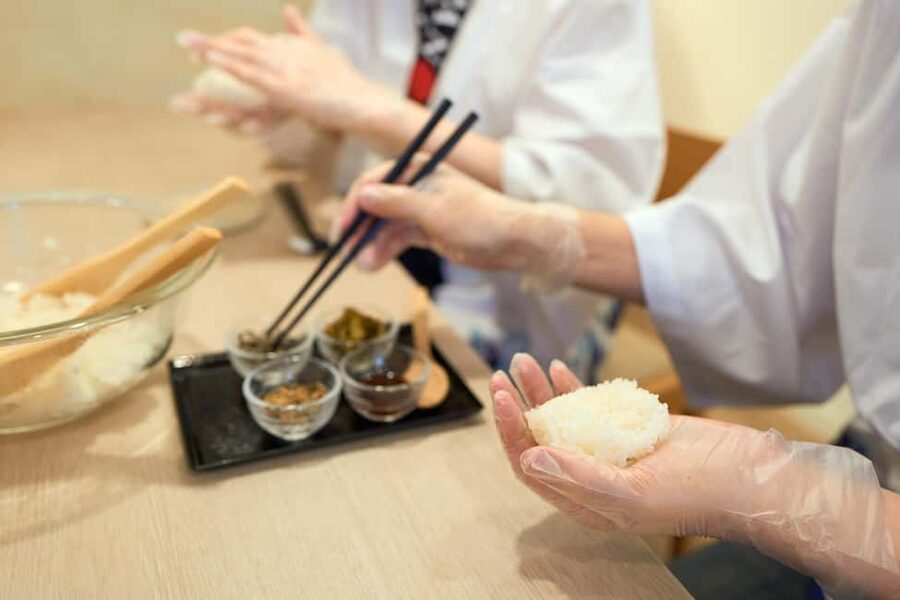
The onigiri activity uses Tokyo-grown rice and freshly harvested nori seaweed. You shape the rice balls yourself, then eat them as part of the class.
Onigiri is simple food, but that is part of its appeal. The technique depends on rice texture, seasoning, and firm but gentle shaping. You get a hands-on task that is approachable even if you have little cooking experience.
The onigiri workshop may be the better choice if you want to eat what you make right away. Miso-making offers more insight into fermentation, while onigiri gives you an immediate result and a familiar picnic-style food. If your budget allows, doing both gives the cooking section more depth, but the extra fee means you should decide in advance what matters most to you.
After the rice-ball activity, you taste five types of amazake. This traditional Japanese drink can vary in flavor and texture, and sampling several versions side by side is more useful than trying only one. The exact sweetness and style of each sample are not specified, so expect a tasting rather than a full drink-making class.
Same streets, a different route:
- Kyoto Rickshaw Tour
★ 5.0 · 210 reviews - Tokyo: Asakusa Sightseeing Tour by Rickshaw
★ 4.9 · 195 reviews - Kyoto: Private Rickshaw Tour of Gion and Higashiyama Area
★ 5.0 · 144 reviews - Otaru Rickshaw Tour
★ 5.0 · 76 reviews
A quiet matcha ceremony at Kōdōin
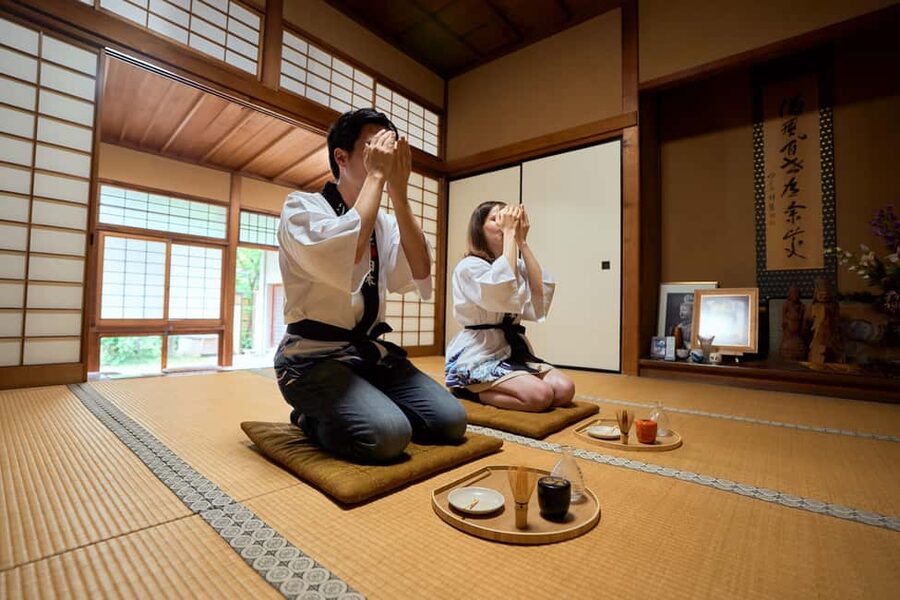
After the workshop, you walk about five minutes to Kōdōin, a historic sub-temple of Zojoji. Here you join a matcha tea ceremony and learn about tea customs and the Zojoji area.
This is one of the strongest parts of the experience because the setting changes the mood. The cooking class is active and social. The temple portion asks you to watch, listen, and notice the small movements involved in preparing and serving tea.
The ceremony lasts about 45 minutes. That is long enough for an explanation and a proper introduction without taking over the entire afternoon. The tea experience is described as optional in the inclusions, so confirm what is included in your selected booking. The main program description presents the temple and tea ceremony as a central stop, but the package details use optional wording.
A tea ceremony can feel formal if you do not know what is happening. Your English-speaking guide helps by explaining the history and the local setting, while a tea specialist handles the ceremony. You do not need to arrive with prior knowledge. Listen closely, follow the instructions, and treat the ritual with respect rather than worrying about perfect etiquette.
Tokyo Tower and Zojoji by rickshaw
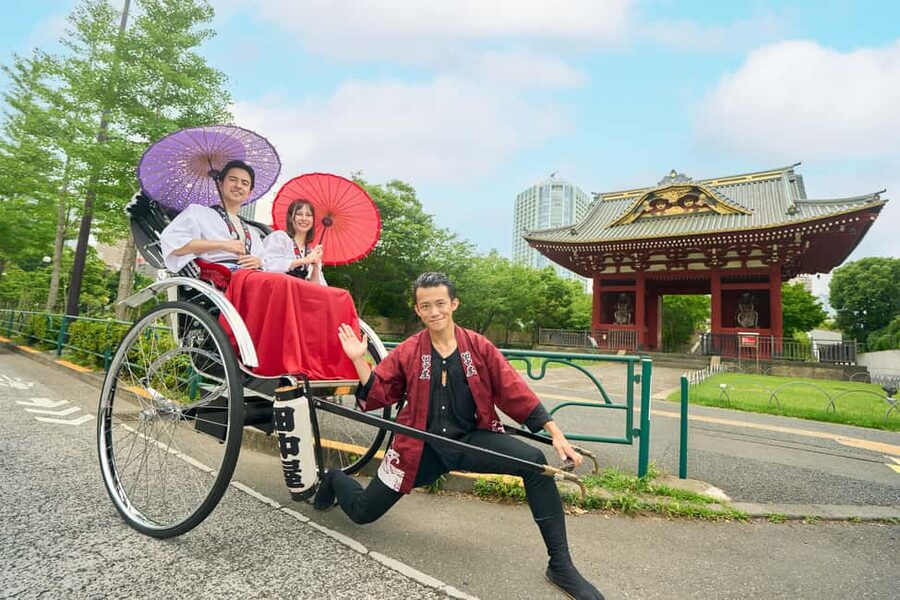
The tour then continues around the Tokyo Tower and Zojoji Temple area. A 10-minute rickshaw ride is included, with longer rides available for an additional charge.
A rickshaw gives you a different view of Minato than walking or taking a train. You sit above street level, move at a slow pace, and have time to look around. The ride is also a bit of fun, especially after the quieter tea ceremony.
The route is described as being pulled by a person, so you may wonder if the ride will feel rough or tiring. The available feedback describes it as comfortable, and the riders felt well looked after. That said, the included ride is short. Think of it as a special sightseeing segment, not a full neighborhood tour.
The area around Tokyo Tower and Zojoji combines a major modern landmark with a significant Buddhist temple setting. The contrast makes this a worthwhile part of the route. You get a quick look at Tokyo’s old and new sides without spending the day crossing the city.
Sake at Minato Shuzo
The final tasting takes place at Minato Shuzo, described as the only sake brewery within Tokyo’s 23 special wards. The tasting lasts about 15 minutes.
This is a compact finish, but it adds another layer to the food theme. You have already worked with koji and rice, tasted amazake, and learned about tea. Sake gives you a final look at how rice and fermentation shape Japanese food and drink.
Do not expect a long brewery visit based on the stated timing. This is a tasting stop, not an extended production tour. If you want detailed brewing explanations, use the opportunity to ask questions while you are there.
The sake portion is not plant-based in the same sense as the cooking class, but the experience specifically states that all ingredients used in the tour are vegan-friendly. If you have a strict dietary concern about the tasting, ask the guide for confirmation before drinking.
The guide and the private format
Konomi is the named guide in the available booking feedback. She is described as approachable, clear in English, and good at guiding the group from one activity to the next. The private format also means the experience is exclusive to your party rather than shared with a large mixed group.
At several points, a specialist takes over. You may have a cooking expert for the food class and a tea ceremony practitioner for the matcha portion, while your main guide handles the flow and explanations. This division is useful because you receive focused instruction without losing the convenience of one guide managing the whole afternoon.
The guide’s role is important because the tour moves through several customs that may be unfamiliar. You can ask why a particular ingredient is used, what to do during the tea ceremony, or how the temple fits into the local area. The English-speaking format makes the experience accessible, but the listed languages are English and Japanese.
What the $62 price really covers
At $62 per person, the tour offers good value if you want several short cultural experiences in one outing. A cooking class alone might fill much of an afternoon, but here you also receive temple access and guidance, a tea experience, a rickshaw ride, amazake, and sake tasting.
The price is less attractive if you plan to skip the food activity or do not care about guided cultural explanations. You are paying for the combination, not for one long attraction. The short sake tasting and 10-minute rickshaw ride are pleasant additions, but neither should be treated as a major standalone event.
Watch the optional charges. You can choose miso or onigiri, or pay extra for both. A rickshaw ride longer than 10 minutes is also outside the included package. Matcha is marked optional in the package details, so clarify that point before booking.
Free cancellation is available up to 24 hours before the start time for a full refund. You can also reserve now and pay later, which helps if your Tokyo schedule is still changing.
Who should book this experience
I would choose this tour if you want a compact introduction to Japanese food and customs without arranging several separate bookings. It suits first-time visitors, couples, families who enjoy making things, and anyone following a vegan diet who wants clear ingredient information.
It is also a good fit if you prefer a private group. You receive room for questions, and the pace can feel more personal than a large class.
You may want a different activity if you want a full-day food tour, a long temple visit, an extended rickshaw route, or a serious sake-brewing lesson. The schedule moves through several short stops, so it favors variety over depth.
Should you book it?
Book this experience if you want to make Japanese food, taste amazake and sake, take part in a temple tea ceremony, and see Tokyo Tower from a rickshaw in one well-organized afternoon. The mix is unusual, and the private English-led format adds real value.
Before paying, decide between miso and onigiri, check the fee for doing both, and confirm whether the matcha ceremony is included in your chosen package. If those details suit your plan, $62 is a sensible price for a personal cultural outing in Minato.
FAQ
Where does the tour meet?
The meeting point is Daimon Station, Exit A6.
How long does the experience last?
The experience lasts four hours.
What languages are available?
The tour is conducted in English, and Japanese is also listed as an available language.
Is the tour private?
Yes. It is described as a private-group experience.
Are all the ingredients vegan?
Yes. The experience states that all ingredients used are 100 percent plant-based and vegan-friendly.
Can I make both miso and onigiri?
You can choose either miso or onigiri, or do both by paying the optional fee for the additional workshop.
How long is the included rickshaw ride?
The included rickshaw ride lasts 10 minutes. Rides longer than 10 minutes are not included.
Is the matcha tea ceremony included?
The program includes a matcha experience and a visit to Kōdōin, but the package details also mark the matcha experience as optional. Confirm the exact inclusion when booking.
What is the cancellation policy?
You can cancel up to 24 hours in advance for a full refund. Reserve-now, pay-later booking is also available.
More Food in Japan
- Bangkok by Night: Temples, Markets and Food Tuk-Tuk Tour
★ 5.0 · 3,752 reviews - Bangkok Midnight Food Tuk Tuk Tour
★ 5.0 · 2,542 reviews - Bangkok: Markets, Temples and Food Night Tour by Tuk Tuk
★ 4.9 · 2,371 reviews - Bangkok: Midnight Food Tour by Tuk-Tuk
★ 4.9 · 2,054 reviews
More Vegan & Vegetarian in Japan
- Half-Day Tuk Tuk Tour with Vegetarian or Vegan Meal
★ 5.0 · 3 reviews - Bangkok: Vegetarian Food Tour with Tuk Tuk Ride
★ 4.0 · 3 reviews
Just added around Japan
- Sushi Making Tokyo with Traditional Rickshaw Ride Tour in Asakusa★ 5.0 · 12 reviews
- Exiting Rickshaw ride and Kimono experience★ 5.0 · 4 reviews
- Hot Spring Capital of Yufuin Rickshaw Tour★ 5.0 · 32 reviews
- Kyoto Sagano Insider: Rickshaw and Walking Tour★ 5.0 · 15 reviews
- Kurashiki Rickshaw Tour★ 5.0 · 39 reviews
- Private 3-hour Kyoto Arashiyama Rickshaw Tour★ 5.0 · 5 reviews
- Kamakura Rickshaw Tour★ 5.0 · 53 reviews
- Rickshaw Tour of Kagoshima’s Historical and Cultural Sites★ 5.0 · 4 reviews
Tokyo Tuk Tuk Tours, compared.
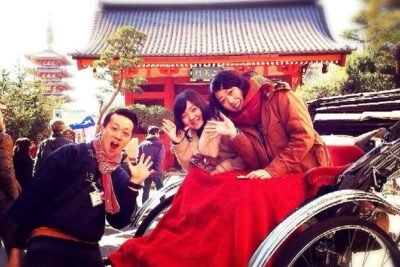
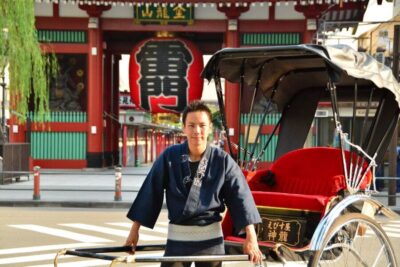
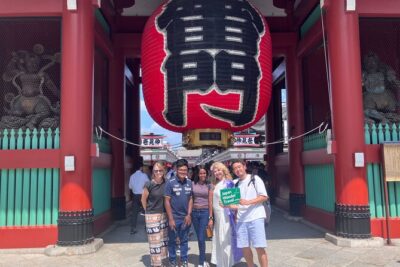
Asakusa, Tokyo: Rickshaw Experience and Highlights Walking tour
Read our review →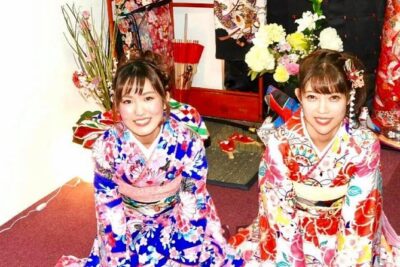
Ride a rickshaw wearing a kimono in Asakusa! Enjoy authentic traditional culture!
Read our review →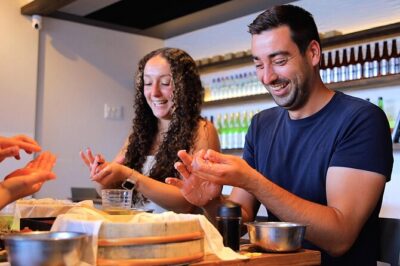
Sushi Making Tokyo with Traditional Rickshaw Ride Tour in Asakusa
Read our review →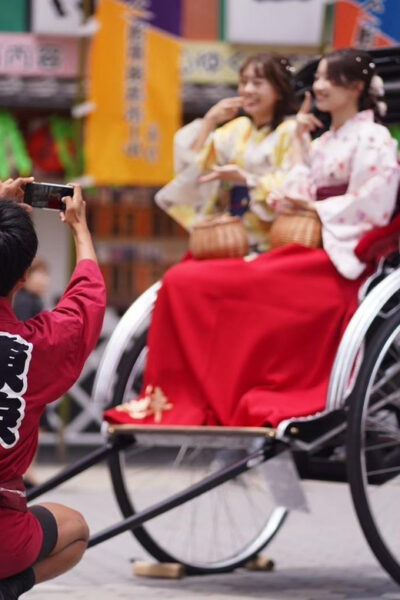
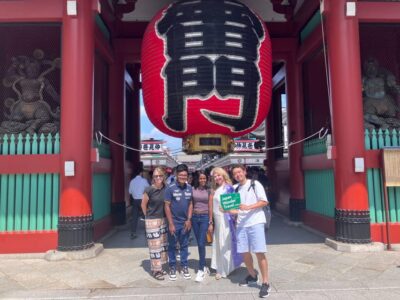
Asakusa Highlights Walking (OP : Rickshaw Experience)
Read our review →Browse the lists this tour appears in