
Review · JAPAN
[60 minutes] Rickshaw tour around Asakusa [Complete Asakusa tour/power spots]
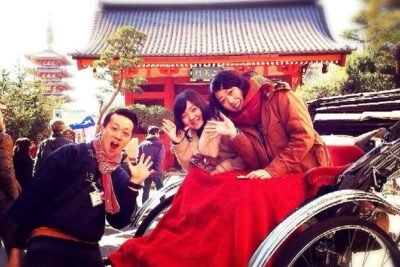
Asakusa is one of the few parts of Tokyo where an old-fashioned rickshaw feels perfectly at home. From the meeting point near Kaminarimon, you ride past temples, shrines, parks, and side streets while your puller handles the route and explains what you are seeing. The plan is described as 70 minutes, although the experience is also sold as a 60-minute tour, so allow roughly an hour.
I like the personal guiding and the easy pace. Pullers such as Yuma, Yu, Yoshi, Koki, and Gian have been praised for clear explanations, good humor, picture-taking, and, in Gian’s case, Spanish. The main consideration is weather. The tour needs good conditions, and the open rickshaw offers little shelter in heavy rain.
Key points to know before you book
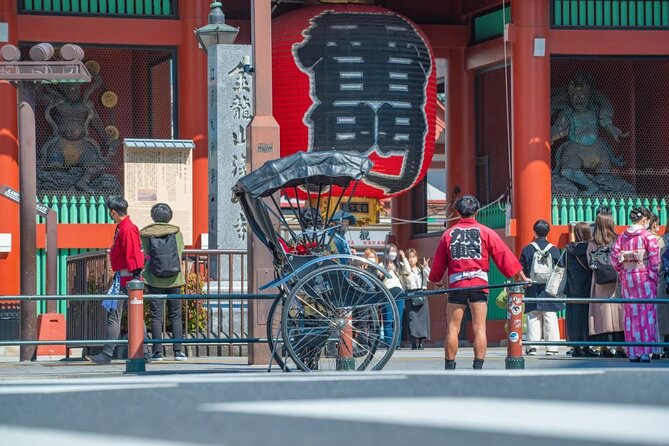
- Kaminarimon starting point: Meet at Asakusa Town Hotel, 1-chome-2-1 Asakusa, near the famous Kaminarimon gate.
- A flexible Asakusa route: You can request places you want to see, rather than simply following a fixed path.
- Temple and shrine customs: The ride can include both a Buddhist temple and a Shinto shrine, with guidance on how the rituals differ.
- Excellent family range: Children as young as eight and adults in their seventies have enjoyed the relaxed format.
- Useful photo help: Guides regularly stop or assist with family and couple pictures during the ride.
- Small-group feel: The maximum group size is 10, though larger families may use two rickshaws.
Why a rickshaw works so well in Asakusa
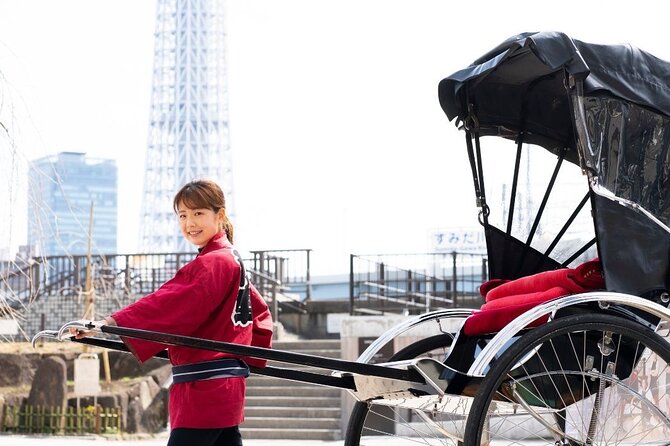
Asakusa is compact enough to explore on foot, but that does not mean walking is always the best first move. The streets around Sensoji can become crowded, and a first-time visitor may miss the small details while trying to follow a map, avoid bicycles, and keep a family together.
A rickshaw solves that problem in a charmingly old-school way. You sit back while your puller steers through the district and points out places that might otherwise blur past. The ride is not a speed run. It gives you time to look up at gates, notice local streets, and ask questions as you go.
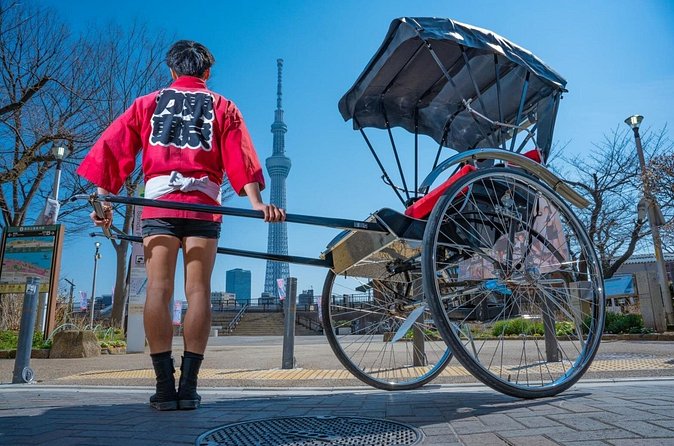
I especially like this as a first activity in Tokyo. The guides can explain shrine and temple manners, outline the story of the neighborhood, and suggest what to do next. One guide even helped set up a wider day in Asakusa, including a river cruise and a visit to Tokyo Skytree. Those extras are not part of this package, but the advice can help you plan the hours after your ride.
The experience also has a social quality. You are not sealed inside a bus or pushed along in a large group. You can speak directly with the person guiding you, and the repeated praise for friendly personalities suggests that the human side is central to the ride.
More Rickshaw Tours in Japan
- Tokyo Asakusa Rickshaw Tour
★ 5.0 · 1,375 reviews - Kyoto: Arashiyama Customized Rickshaw Tour & Bamboo Forest
★ 5.0 · 432 reviews - Kyoto Arashiyama Rickshaw Tour with Bamboo Forest
★ 5.0 · 354 reviews
Meeting near Kaminarimon
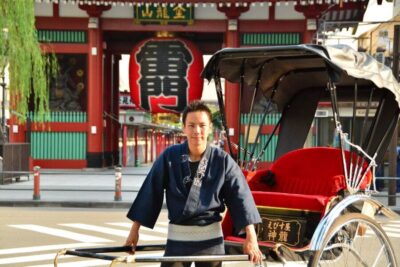
The listed meeting point is Asakusa Town Hotel at 1-chome-2-1 Asakusa, Taito City, Tokyo. The route begins in the Kaminarimon area, the natural front door to Asakusa and the main approach toward Sensoji.
Give yourself enough time to find the meeting point. Asakusa has several major stations and a web of busy streets, so arriving in a rush could take the fun out of the start. The area is close to public transportation, and a visitor center across the street is useful for restrooms and water before or after the ride.
This is also a practical place to begin a day. Food is easy to find nearby, and the neighborhood offers plenty to do after you return. You can continue on foot, visit more of Sensoji, head toward the river, or make your way toward Skytree.
The activity ends back at the meeting point. That makes it simple to leave luggage plans and onward transport until after the ride, rather than wondering where you will be dropped.
The Kaminarimon to Sensoji area
The first part of the route places you in the heart of classic Asakusa. Kaminarimon is one of Tokyo’s best-known gates, with its huge lantern and strong visual presence. The approach toward Sensoji is packed with shops and visitors, but the rickshaw gives you a comfortable seat and a guide who can explain what matters.
Expect the guide to talk while the rickshaw moves. The exact script and route depend on your puller and your requests, but the experience focuses on local history, traditions, temples, shrines, and daily life around Asakusa.
This is where a good guide makes a real difference. Yuma was singled out for a pleasant smile and useful information. Yu has guided in English, Chinese, Korean, and Japanese, and one family found his explanations easy to follow in English. Yoshi has been praised for keeping the ride light and entertaining, even in poor weather.
You should not expect a formal lecture. The charm comes from short explanations placed beside the actual streets and buildings. Ask questions as you go. If you want a particular temple, shrine, or photo stop, mention it early, since the route can respond to requests.
Temples, shrines, and the small rituals
A major strength of this tour is the chance to see both sides of Japanese religious tradition in one relaxed outing. The ride may include a Buddhist temple and a Shinto shrine, and guides explain the different customs for visiting each.
That distinction is useful. Many first-time visitors see incense, gates, offerings, and prayer rituals without knowing what they mean or how to take part respectfully. A local guide can show you the basic differences in the moment, without asking you to study a guidebook beforehand.
The stops are not presented as long museum visits. Think of them as brief, useful introductions woven into the ride. You may have time to look around, ask a question, and take pictures before continuing through the neighborhood.
The exact stops are not guaranteed in the supplied details, so keep your expectations flexible. The route can change with your requests, traffic, weather, or the guide’s judgment. That flexibility is a strength if you want a personal introduction, but it means you should not book expecting a precise checklist of named sites.
Same streets, a different route:
- Kyoto Rickshaw Tour
★ 5.0 · 210 reviews - Tokyo: Asakusa Sightseeing Tour by Rickshaw
★ 4.9 · 195 reviews - Kyoto: Private Rickshaw Tour of Gion and Higashiyama Area
★ 5.0 · 144 reviews - Otaru Rickshaw Tour
★ 5.0 · 76 reviews
Quieter streets beyond the main crowds
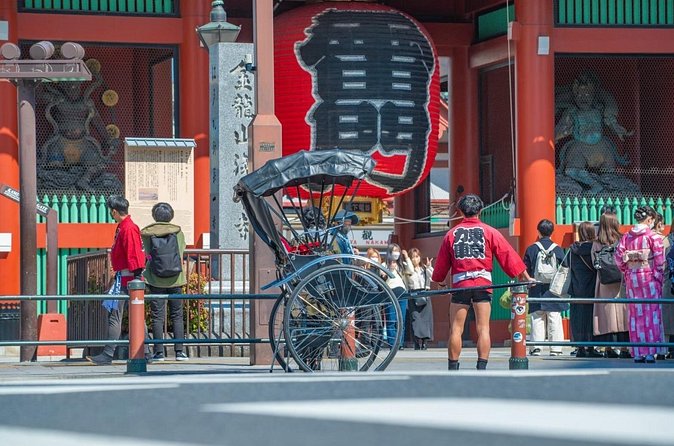
The best part of a rickshaw ride may come after you leave the obvious tourist path. Pullers can use less crowded directions and point out local streets, parks, and everyday scenes around Asakusa.
One family was taken along a quieter route to get away from the crowds. That matters because the main Sensoji approach can feel packed, especially at popular times. A side street offers a different picture of the district, with more room to notice homes, small businesses, and ordinary local life.
You are still in central Tokyo, not in a remote village. The appeal is the contrast between major religious sites and modest neighborhood streets. From a rickshaw seat, you can watch that change without constantly checking your phone for directions.
The guides also help turn these passages into part of the story. Several have been praised for pointing out details, explaining cultural customs, and taking photographs. This is particularly handy for families and couples who want pictures together rather than a collection of selfies.
What the 60 to 70 minutes feel like
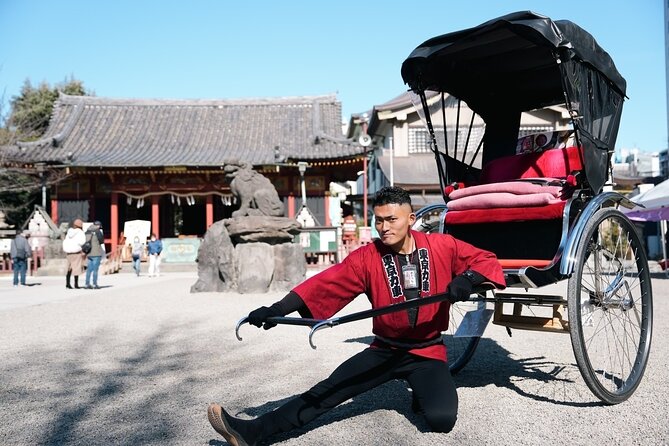
The advertised title says 60 minutes, while the plan description calls it a 70-minute experience. The written accounts also refer to both an hour-long ride and a 70-minute ride. For planning, I would reserve about 70 minutes and treat the tour as a roughly one-hour activity.
That length is well judged for Asakusa. A shorter ride might feel rushed, while a much longer one could become tiring, especially for young children or anyone unused to sitting in a rickshaw. The route has enough time for several sights, explanations, and photo moments without taking your whole day.
The pace is generally relaxed. You are not expected to walk between every stop, and the puller does the physical work. Still, this is not a passive sightseeing bus. You should stay alert, listen, look around, and be ready for brief stops or visits.
If you want a full day of temple interiors, shopping, and museums, this ride will not replace walking around Asakusa. It works better as an introduction, a break from walking, or a way to get your bearings at the start of your visit.
Guides who shape the experience
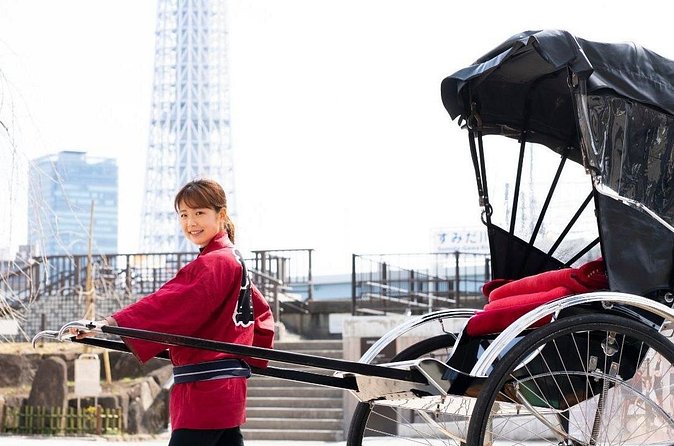
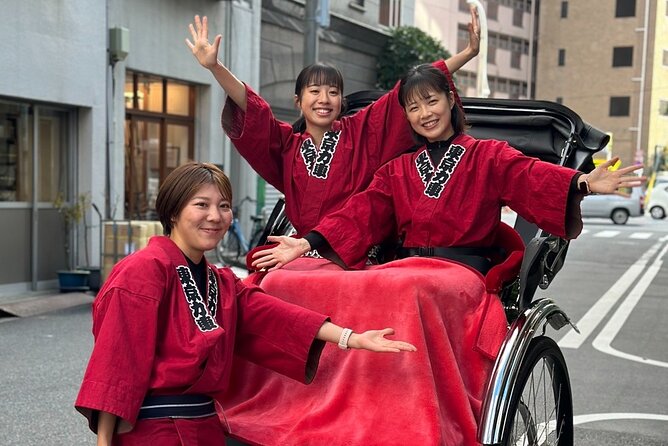
The company, Tokyo Rickshaw, describes its pullers as trained Asakusa tourism professionals. The individual guides are a major part of the experience, and several names have received especially warm praise.
Yuma is noted for a pleasant smile and strong information. Yu has language ability in English, Chinese, Korean, and Japanese, which may help multilingual families. Yoshi has been described as entertaining and engaging, including during rain. Koki has been praised for cultural explanations and taking good pictures, while Gian provided Spanish guidance that was an unexpected help for one group.
You cannot necessarily choose one of these guides when booking, so do not treat a particular name as guaranteed. The useful point is that the operation has several guides with different strengths and language abilities.
The tone is friendly rather than stiff. Guides have helped with family photographs, adjusted the experience for children, and explained the area in a way that keeps the ride moving. That makes the tour a good fit if you want facts without a formal classroom feel.
Families, couples, and older visitors
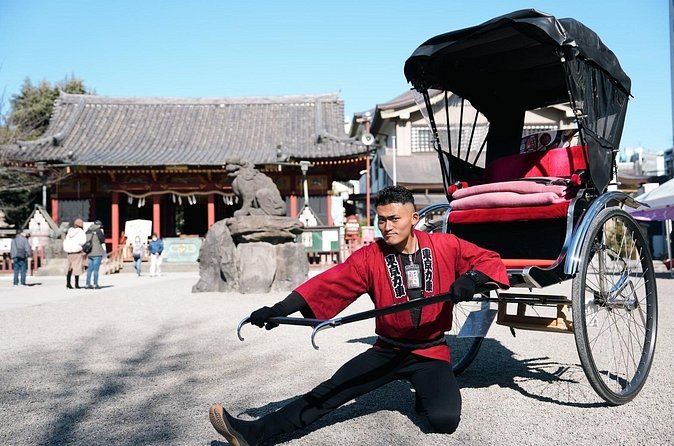
This is one of the more flexible Asakusa activities for mixed-age groups. A family ranging from age seven to over 70 enjoyed the same ride, and an eight-year-old was happy with the format.
That makes sense. Children get the novelty of riding in a rickshaw, adults get local context, and older family members can see several sights without covering every street on foot. The ride also gives a group a shared activity that does not depend on everyone having the same walking speed.
Couples may like the private-feeling atmosphere, especially for photographs. The experience has a romantic side, but it is not limited to couples. Larger families can use two rickshaws, and the maximum group size is 10.
The ride is not suitable for everyone. Smoking is prohibited while riding, and you should not board after consuming a large amount of alcohol. Pregnant visitors are asked not to ride, except during a stable period if they decide it is appropriate. Use your own judgment and ask the operator if you are uncertain.
Price and what you get for $66.05
At $66.05 per person, this is not the cheapest way to move around Asakusa. You can walk through much of the area for free, so the value depends on what you want from the hour.
I think the price is easier to justify if you place value on three things: a local guide, a comfortable ride, and help with photos. You are paying for more than transport. You are paying for a guided introduction that combines movement, local stories, cultural tips, and a route that can respond to your interests.
The price also makes more sense for a family or group that would otherwise pay for several separate activities. Group discounts are available, although the amount is not specified. Ask about the discount before booking if you are bringing several people.
If your main goal is to reach one temple quickly, walking or public transportation will cost less. If you want an easy, memorable start to Asakusa and prefer conversation to a recorded audio guide, the rickshaw offers better value.
Weather, comfort, and practical limits
The rickshaw is open to the weather, and the activity requires good conditions. If poor weather forces cancellation, you are offered another date or a full refund.
Rain does not always ruin the ride. Yoshi helped make a rainy outing worthwhile, but heavy rain can still affect comfort and visibility. I would avoid scheduling this as the only fixed activity on a day when the forecast looks poor.
Wear clothes that allow you to sit comfortably for about an hour. The operator prohibits smoking during the ride, and alcohol can be a problem if consumed in large amounts before boarding.
Most people can participate, but the supplied information does not give detailed accessibility specifications. If you have mobility needs, ask the provider before booking rather than assuming the rickshaw will suit every situation.
The experience has a mobile ticket and confirmation at booking. You can cancel for a full refund up to 24 hours before the start time. Changes or cancellations inside that window are not accepted, so keep the local cut-off time in mind.
Should you book the Asakusa rickshaw ride?
Book it if you want a friendly, low-stress introduction to Asakusa, especially at the beginning of your Japan trip. It suits families, couples, mixed-age groups, and anyone who wants temple and shrine customs explained without spending the first morning reading signs.
I would also choose it if photographs matter. The guides have a strong habit of helping with family and couple pictures, and the moving route creates more variety than a single lookout or temple courtyard.
Skip it if you prefer to explore alone, need a tightly fixed itinerary, or are looking for the cheapest way around the district. The route can change, the weather matters, and the price is for the guide-led experience rather than simple transportation.
For most visitors, the strongest plan is to schedule the ride early in your Asakusa visit. Use the hour to learn the layout, pick up a few cultural pointers, and ask your guide what to see next. Then continue on foot, toward the river, or onward to Skytree with a better sense of where you are.
FAQ
How long does the rickshaw tour last?
The experience is described as a 70-minute plan and is also marketed as a 60-minute tour. Plan for roughly one hour to 70 minutes.
Where does the tour start?
It starts at Asakusa Town Hotel, 1-chome-2-1 Asakusa, Taito City, Tokyo, near the Kaminarimon area.
Where does the tour end?
The activity ends back at the meeting point.
Can I request specific places in Asakusa?
Yes. Requests for places you want to visit are accepted, although the exact route and stops are not guaranteed.
Can the tour include both a temple and a shrine?
Yes. The experience can include a Buddhist temple and a Shinto shrine, with explanations of the different visiting rituals.
Is the tour suitable for children and older adults?
Most people can participate, and the experience has been enjoyed by groups ranging from children to adults in their seventies. The maximum group size is 10.
Is smoking allowed during the ride?
No. Smoking is prohibited while riding in the rickshaw.
Can pregnant visitors join?
Pregnant visitors are asked not to board, except during a stable period if they decide to ride. You should use your own judgment and contact the provider if you need clarification.
What happens if the weather is poor?
The activity requires good weather. If it is canceled because of poor conditions, you can choose another date or receive a full refund.
More 1-Hour Experiences in Japan
- Oporto Tuk-Tuk Tour: Fast, Fun & Flexible – 1H to Full Day!
★ 4.7 · 280 reviews - Central Park Private Pedicab Tour for 1 Hour
★ 5.0 · 169 reviews - NYC Central Park guided Pedicab Tour – 1 hour
★ 5.0 · 145 reviews - Berlin Express: Private 1-Hour E-Rickshaw Ride
★ 5.0 · 116 reviews
Just added around Japan
- Sushi Making Tokyo with Traditional Rickshaw Ride Tour in Asakusa★ 5.0 · 12 reviews
- Exiting Rickshaw ride and Kimono experience★ 5.0 · 4 reviews
- Hot Spring Capital of Yufuin Rickshaw Tour★ 5.0 · 32 reviews
- Kyoto Sagano Insider: Rickshaw and Walking Tour★ 5.0 · 15 reviews
- Kurashiki Rickshaw Tour★ 5.0 · 39 reviews
- Private 3-hour Kyoto Arashiyama Rickshaw Tour★ 5.0 · 5 reviews
- Kamakura Rickshaw Tour★ 5.0 · 53 reviews
- Kamakura Heritage Bike or Walk Tour with ex-Rickshaw guide★ 5.0 · 11 reviews
Japan Tuk Tuk Tours, compared.
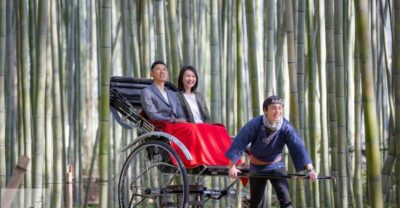
Arashiyama Customized Rickshaw Tour & Bamboo Forest
Read our review →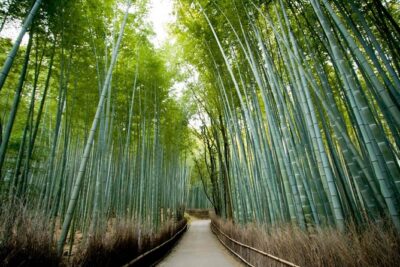
Kyoto Arashiyama Rickshaw Tour with Bamboo Forest
Read our review →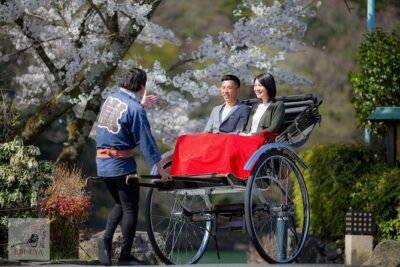
Private Rickshaw Tour of Gion and Higashiyama Area
Read our review →
Browse the lists this tour appears in