
Review · JAPAN
Kamakura Heritage Bike or Walk Tour with ex-Rickshaw guide
Kamakura is easiest to understand when you connect its major sights by local roads, temple lanes, and the coast. This private tour lets you do that by bike or on foot, with Ichi, a guide who spent five years driving rickshaws through the city. I like the way the route joins the Great Buddha with less-visited historic sites, and I like that you can set the pace for your own group.
The strongest points are the guide’s clear explanations of Kamakura’s samurai-era past and the practical reach of a bike tour. You can cover central, eastern, and Hase-area sights in four hours. The main caution is that this is a full route with several stops, so walking guests should expect plenty of time on their feet, while bike guests need to be comfortable on an adult-sized bicycle.
Key points to know before booking
- Ichi brings five years of rickshaw experience: Expect local stories, practical route choices, and explanations of customs as well as history.
- The private format keeps the pace flexible: Only your group joins, and you can choose biking or walking.
- You see both famous and quieter Kamakura: The route includes the Great Buddha, Tsurugaoka Hachimangu, Hokokuji, Hasedera, Egara Tenjin, and a shogun’s grave.
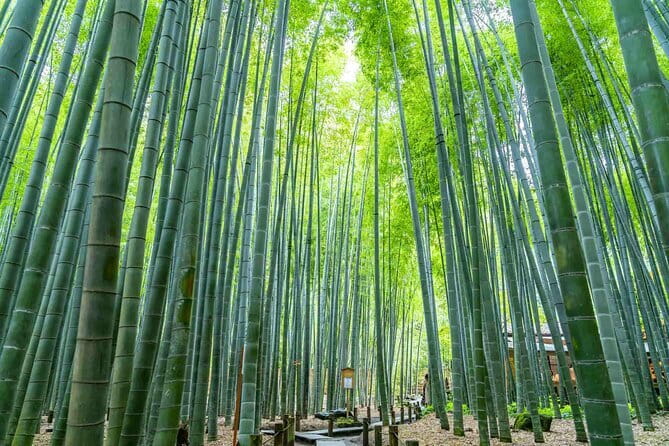
- Hokokuji adds a calm bamboo stop: Temple admission is included, while matcha costs an extra 500 yen.
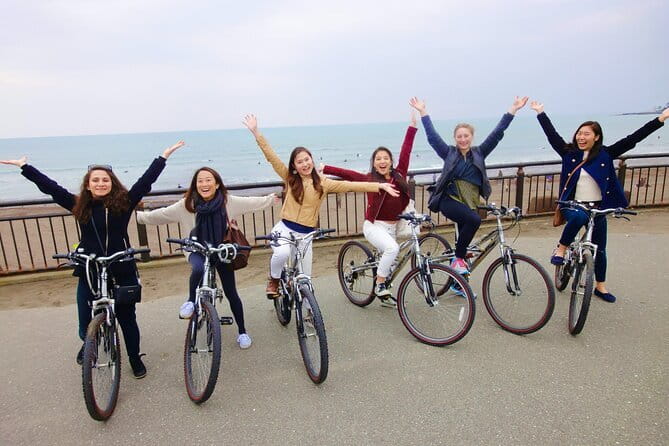
- The bike option covers ground efficiently: It connects inland temples with Yuigahama Beach and the Hase area.
- Weather matters: Poor weather can lead to a new date or a full refund, and cancellations must be made at least 24 hours ahead.
Why this Kamakura tour works
Kamakura makes an excellent day trip from Tokyo, but its sights are spread across several parts of town. The Great Buddha is in the west, Tsurugaoka Hachimangu is near the station, Hokokuji sits farther east, and Hasedera is near the coast. A standard stroll can leave you choosing between temples, shrines, and the beach.
This tour solves that problem with a private four-hour route. You can walk, bike, or adjust the plan within the available time. The bike option is especially useful because it links the central and Hase areas without relying on local transportation between every stop.
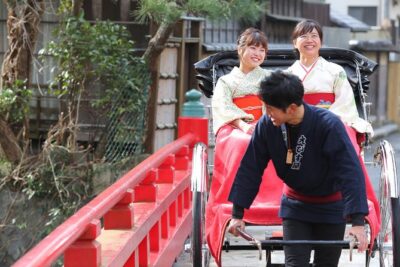
Ichi is the key to the experience. His background as a rickshaw driver means he has spent years explaining Kamakura from street level, not just repeating dates at the entrance to a temple. The feedback supplied for this experience repeatedly singles out his English, storytelling, humor, and ability to explain complicated Japanese history in plain terms.
The tour has a strong focus on the Kamakura shogunate and the rise of the bakufu, the military government that began here. That context helps connect the monuments. You are not simply looking at a large bronze Buddha, a shrine, and a bamboo grove as separate photo stops. You are learning why this small coastal city became one of Japan’s great political centers.
More Rickshaw Tours in Japan
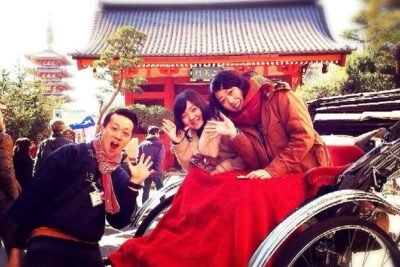
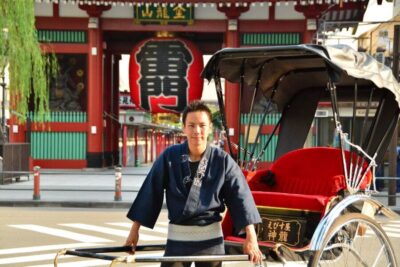
- Tokyo Asakusa Rickshaw Tour
★ 5.0 · 1,375 reviews - Kyoto: Arashiyama Customized Rickshaw Tour & Bamboo Forest
★ 5.0 · 432 reviews - Kyoto Arashiyama Rickshaw Tour with Bamboo Forest
★ 5.0 · 354 reviews
Starting at Kamakura Station
The meeting point is outside Kamakura Station at 1-chōme-1-15 Onarimachi. Starting here makes sense. You are near the city’s main transport link, and the station area gives you a practical place to meet your guide before setting out.
The experience ends back at the same meeting point. That matters if you have a train to catch or plan to continue exploring independently. Still, allow extra time after the official four hours. The stop lengths listed for the major sights add up to only part of the tour, and the rest is used for riding or walking between places, explanations, photographs, and the seaside section.
Because this is a private tour, your group does not have to match the pace of strangers. You can ask for more history at a shrine, move on from a crowded section, or spend longer taking photographs. The schedule is flexible, but it is not unlimited. The route includes many stops, so tell Ichi early if one place matters most to you.
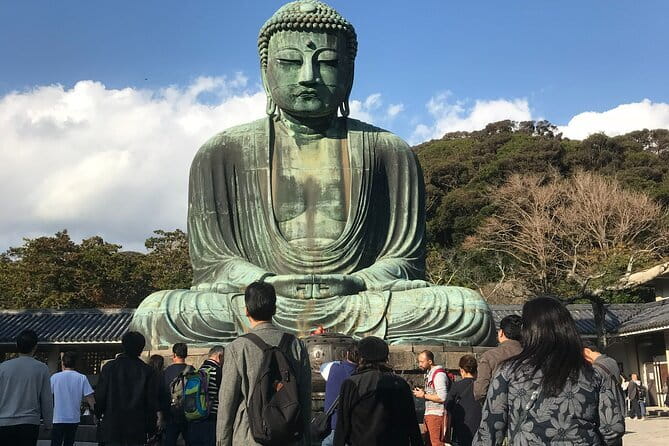
The Great Buddha at Kotoku-in
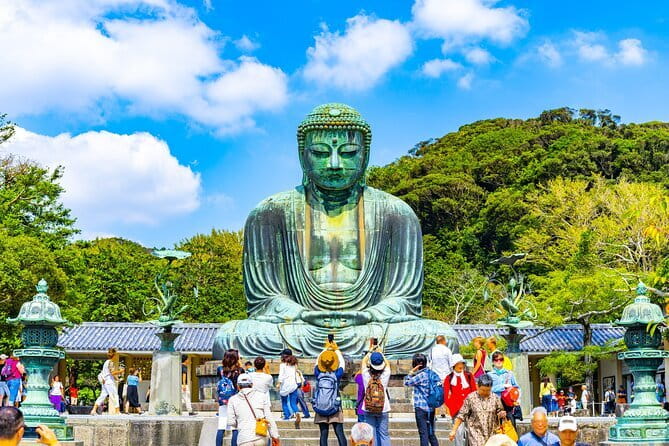
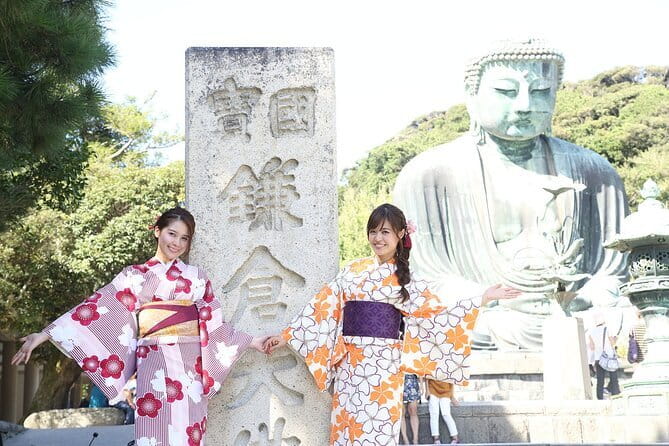
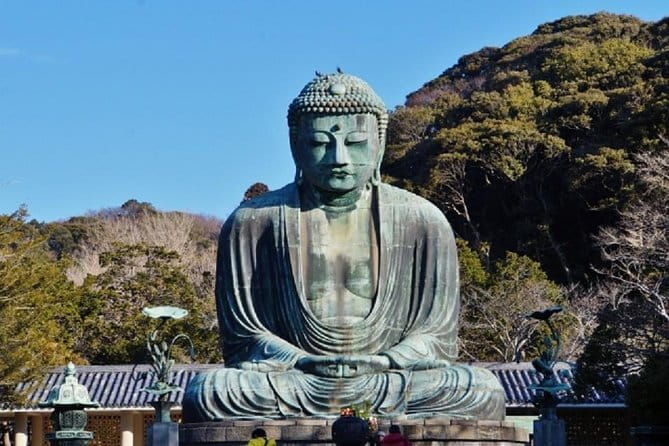
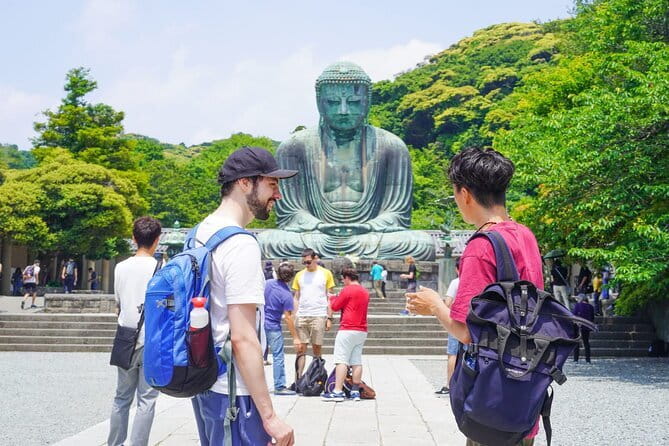
The Great Buddha of Kamakura is the natural opening highlight. At Kotoku-in, you see one of Japan’s most recognizable religious statues, seated outdoors within the temple grounds. The planned visit lasts about 30 minutes, and admission is included.
The statue is famous, but the value of having a guide here is the explanation around it. Ichi can place the Buddha within Kamakura’s religious and political setting rather than treating it as an isolated monument. The supplied feedback describes his skill at making complex Japanese history understandable in a short time, which is useful at a site with plenty of background behind its simple appearance.
Thirty minutes is enough for the main view, photographs, and a focused explanation. It is not a long, quiet temple visit. If you want extended time at the Buddha or inside every available area, mention that at the start, since the rest of the route has several scheduled stops.
Tsurugaoka Hachimangu and the samurai city
Tsurugaoka Hachimangu is Kamakura’s central Shinto shrine and one of the most important stops for understanding the city. It is dedicated to Hachiman, a deity associated with warriors and the samurai tradition. You spend about 30 minutes walking through the grounds.
This is where the tour’s historical theme becomes clearer. Kamakura was not simply a temple town. It was the seat of military power, and the shrine reflects the close connection between faith, political authority, and the warrior class.
The shrine grounds are broad enough to give you a change of pace after the compact Great Buddha visit. I like this pairing because the two sites show different sides of Kamakura: the Buddhist image at Kotoku-in and the Shinto setting at Tsurugaoka Hachimangu.
Admission is free. The stop can be busy, especially during popular periods, so a private guide is useful for keeping your visit focused. You will not need to guess which paths or details deserve your limited time.
Same streets, a different route:
- Kyoto Rickshaw Tour
★ 5.0 · 210 reviews - Tokyo: Asakusa Sightseeing Tour by Rickshaw
★ 4.9 · 195 reviews - Kyoto: Private Rickshaw Tour of Gion and Higashiyama Area
★ 5.0 · 144 reviews - Otaru Rickshaw Tour
★ 5.0 · 76 reviews
A short stop at the graves of Sanetomo and Masako
The visit to the grave of Minamoto no Sanetomo and Hojo Masako lasts about 10 minutes. It is a brief stop, but it adds political drama to the day.
Minamoto no Sanetomo was the third shogun of the Kamakura shogunate. Hojo Masako was a major figure in the early military government and is often remembered for her political influence after the death of her husband, Minamoto no Yoritomo.
This is not a grand monument designed for a long visit. Its value comes from the story Ichi tells and the quiet setting. After the large shrine, this short stop gives you a more personal link to the people who shaped Kamakura’s early rule.
If you prefer famous architecture over historical figures, this may feel less impressive than the other stops. If you want to understand how power shifted within the shogunate, it earns its place.
Hokokuji’s bamboo grove and matcha
Hokokuji Temple is one of the most appealing stops on the route. Its bamboo grove creates a cool, quiet break from Kamakura’s busier sights. The temple admission is included, and the visit lasts about 30 minutes.
You can walk through the bamboo and take in the narrow paths and tall green stalks. The grove is not enormous, so expectations matter. This is a concentrated temple garden experience, not a long hike through the countryside.
An optional bowl of matcha costs 500 yen, or about 3 dollars, at the temple cafe. I would consider adding it if you enjoy tea and have enough time. It turns the stop into a proper pause rather than another quick photograph.
Hokokuji is also a useful reason to choose the private tour. It sits away from the most central sights, and getting there by bike makes the wider route more manageable. On foot, the stop still works, but you will spend more of the four-hour period moving between locations.
Yuigahama Beach and the seaside road
The route includes Yuigahama Beach, where you can ride or walk along the seaside road. This is the tour’s clearest change of scenery. After temples, graves, and shrines, you reach the coast and see another side of Kamakura.
The beach is described as relaxing, but summer brings more people and a livelier feel. Do not expect an empty shoreline during the warm season. The appeal is the combination of ocean air, open views, and a pleasant road connection between the central city and Hase.
This section favors the bike option. Cycling gives you a better sense of Kamakura as a connected town, while walking lets you slow down and enjoy the coast at an easier pace. Ask about the exact balance if you have a strong preference, since the timing of the beach section can affect how long you spend at the temple stops.
Hasedera and the Kannon statue
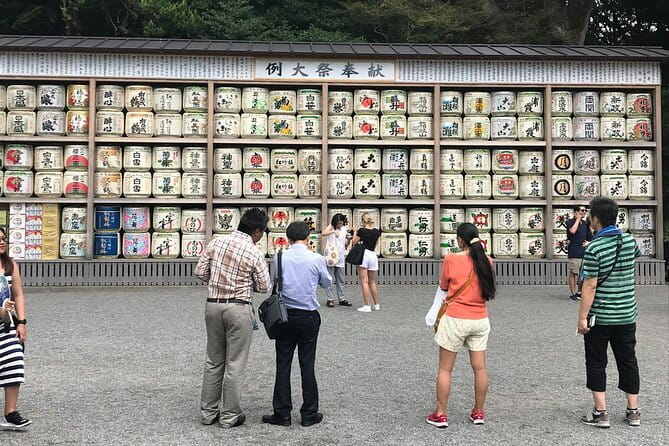
Hasedera, also called Hase Temple, is known for its gardens, coastal views, and a large wooden statue of Kannon, the Buddhist figure associated with mercy. The statue is 9.18 meters tall, and the visit lasts about 20 minutes.
The temple offers another visual shift. Hokokuji is focused on bamboo and quiet enclosure, while Hasedera combines religious art, garden paths, and views toward the sea. The short visit is enough to introduce the place, but you may want more time if gardens are a major interest.
This is one of the stops where a private tour’s flexibility helps. You can ask Ichi to emphasize the Kannon statue, the garden areas, or the views, though the four-hour schedule still requires discipline. Hasedera is near the Great Buddha, so visiting both in one route is efficient.
The supplied information lists admission here as free, while entrance fees are specifically included for the Great Buddha and Hokokuji. Since temple fee arrangements can change, confirm the current details when you book if exact costs matter to your budget.
Egara Tenjin and the quieter side of Kamakura
Egara Tenjin Shrine is dedicated to Sugawara no Michizane, a figure associated with scholarship and learning. The shrine provides a smaller, more peaceful stop after the larger sites, with about 10 minutes allotted.
This is the kind of place that benefits from a local guide. The shrine may not be the main reason you came to Kamakura, but its connection to education and Japanese religious practice adds another layer to the day. Ichi can explain why the site matters and how it fits into local traditions.
The short timing means you should see it as a focused introduction, not a long independent exploration. The entrance fee is included according to the tour details.
Bike or walking tour: which suits you?
Choose the bike option if you want to cover more ground and see how Kamakura’s districts fit together. The route includes central shrines, eastern temples, the Hase area, and the beach. A bicycle makes that range realistic within four hours.
One supplied account specifically praises the use of e-bikes. Since the official details describe the experience as a bike tour without promising electric bicycles for every booking, ask Ichi what type of bike is available on your date. That is particularly important if you are not used to cycling or expect hills.
Choose walking if you prefer a slower pace, want to stop frequently for photographs, or would rather avoid cycling in unfamiliar streets. The walking version can work well for people focused on temple grounds and historical explanations, but it may require more energy because the route spans several parts of town.
Children under 13 who cannot ride an adult-sized bike are not recommended for this experience. Most people can participate, but you should be comfortable with the physical demands of your chosen format.
What the price includes
The listed price is $150.24 per person. That is not a budget group excursion, but it covers a private four-hour experience with a professional guide and admission to the Great Buddha and Hokokuji Temple.
The value depends on your group size and priorities. For a larger private group, the cost buys personal attention and a route that would take more planning on your own. For one or two people, it is a higher outlay than simply visiting Kamakura independently, but you are paying for transport between scattered sights, historical explanation, route planning, and photographs.
Lunch is not included. Matcha at Hokokuji costs an additional 500 yen, and personal damage caused by a customer is also excluded. The guide takes plenty of photos, which is a useful extra if you want pictures of your group rather than only pictures of temples.
The tour is booked, on average, 44 days ahead. That suggests planning early, especially if your Japan schedule is fixed or you want a particular date.
Photos, weather, and practical planning
Ichi takes photographs during the experience, with one account noting more than 20 good photos from a walking tour. This is a real benefit for couples or friends who usually have to hand a phone to strangers at every landmark.
The tour requires good weather. If poor weather forces cancellation, you are offered another date or a full refund. You can cancel for a full refund up to 24 hours before the start time. Changes or cancellations inside that 24-hour window are not refunded.
The confirmation arrives within 48 hours of booking, subject to availability. Since this is a new public offering after earlier work with people living in Tokyo and their friends, give yourself time for confirmation rather than booking it at the last possible moment.
Who should book this experience?
I would choose this tour if you want Kamakura’s major sights in one organized half-day and prefer stories over a checklist. It is especially good for first-time visitors, friends sharing a private outing, and anyone who wants a local guide to explain the samurai government, religious customs, and lesser-known corners.
It also suits people who enjoy changing pace. You move from a huge Buddha to a major shrine, a quiet grave, bamboo, the sea, a Kannon statue, and a small shrine dedicated to learning.
I would skip it if you want a long, unhurried visit at one or two temples, or if you dislike riding and do not want a fairly active walking route. The schedule is ambitious, and the private format gives you flexibility but does not create extra hours.
Should you book the Kamakura Heritage Bike or Walk Tour?
Book it if you want breadth, local storytelling, and private attention in a compact four-hour visit. Ichi’s rickshaw background, clear English, and ability to explain Kamakura’s complicated past are the main reasons to choose this over simply following a map.
Pick the bike option if reaching the beach and several distant temple areas matters most. Pick walking if you care more about a relaxed pace and close attention at each stop. Confirm the bike type, especially the availability of e-bikes, and book early if your dates are firm.
FAQ
How long does the Kamakura tour last?
The experience lasts approximately four hours and ends back at Kamakura Station, the starting point.
Is the tour private?
Yes. Only your group participates in the activity.
Can I choose between biking and walking?
Yes. You can choose a bike tour or a walking tour. The schedule can also be adjusted within the tour time to suit your pace and interests.
What entrance fees are included?
Admission to the Great Buddha at Kotoku-in and Hokokuji Temple is included. The tour details also list admission to Egara Tenjin as included.
Is matcha included at Hokokuji?
No. Optional green tea at the Hokokuji cafe costs 500 yen, or about 3 dollars.
What happens if the weather is poor?
The experience requires good weather. If it is canceled because of poor weather, you can choose a different date or receive a full refund.
More History Tours in Japan
- [30 minutes] Rickshaw tour around Asakusa [History, sightseeing, Tokyo Skytree]
★ 5.0 · 38 reviews - Kamakura: Private History and Heritage Tour by Rickshaw
★ 4.9 · 7 reviews - Nara: Cultural Heritage Tour by Rickshaw
★ 5.0 · 5 reviews - Rickshaw Tour of Kagoshima’s Historical and Cultural Sites
★ 5.0 · 4 reviews
More Rides on Two Wheels in Japan
- Penang George Town All-In-One Heritage Tour By Bicycle & Trishaw (Metro Bike)
★ 5.0 · 168 reviews - Paris: 2 hours Emily Tour in a Private Rickshaw bike
★ 4.7 · 38 reviews - Half-Day Food Tour with Cycle Rickshaw ride to Masterji Kee Haveli
★ 5.0 · 31 reviews - Central Park Tour Bike and Pedicab
★ 5.0 · 26 reviews
Just added around Japan
- Sushi Making Tokyo with Traditional Rickshaw Ride Tour in Asakusa★ 5.0 · 12 reviews
- Exiting Rickshaw ride and Kimono experience★ 5.0 · 4 reviews
- Hot Spring Capital of Yufuin Rickshaw Tour★ 5.0 · 32 reviews
- Kyoto Sagano Insider: Rickshaw and Walking Tour★ 5.0 · 15 reviews
- Kurashiki Rickshaw Tour★ 5.0 · 39 reviews
- Private 3-hour Kyoto Arashiyama Rickshaw Tour★ 5.0 · 5 reviews
- Kamakura Rickshaw Tour★ 5.0 · 53 reviews
- Rickshaw Tour of Kagoshima’s Historical and Cultural Sites★ 5.0 · 4 reviews
Japan Tuk Tuk Tours, compared.
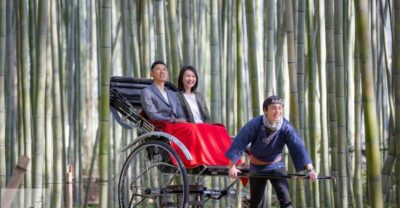
Arashiyama Customized Rickshaw Tour & Bamboo Forest
Read our review →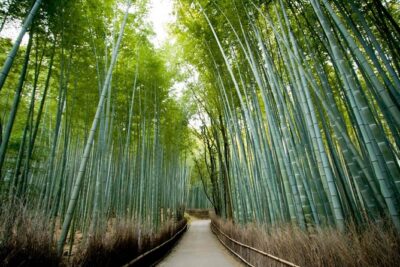
Kyoto Arashiyama Rickshaw Tour with Bamboo Forest
Read our review →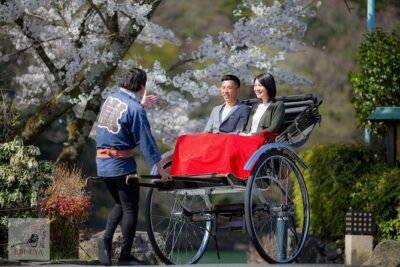
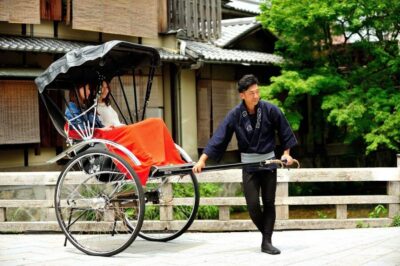
Private Rickshaw Tour of Gion and Higashiyama Area
Read our review →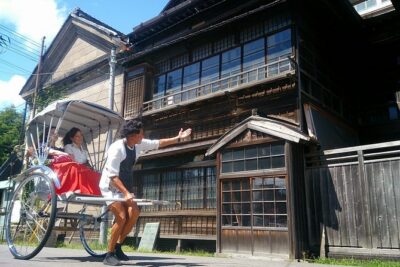
Browse the lists this tour appears in