
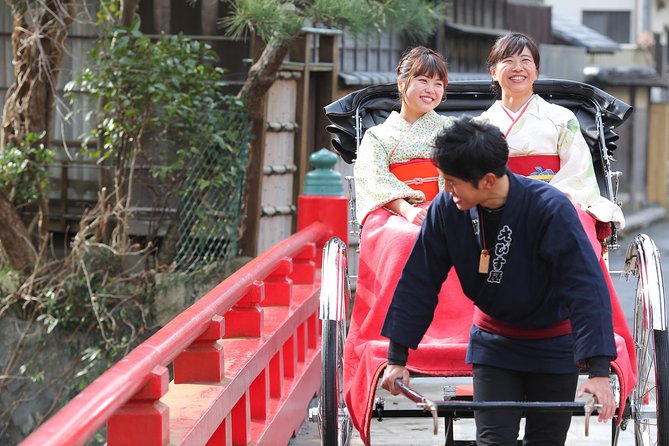
Review · JAPAN
Kamakura Rickshaw Tour
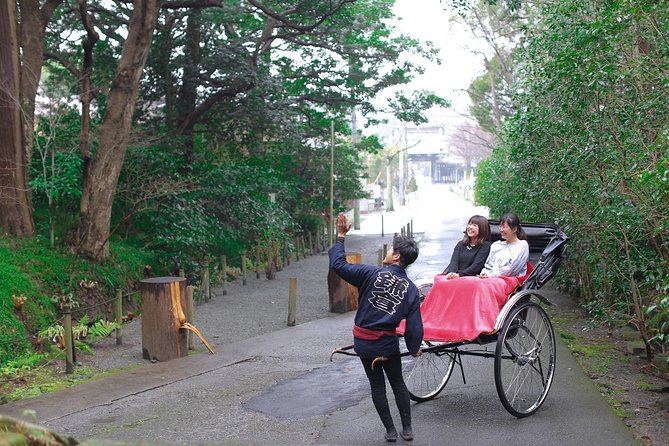
Kamakura’s best sights are spread across an old samurai town, and a rickshaw lets you cover more ground without rushing. Your guide pedals faster than you can walk, but slowly enough for you to notice shrine gates, side streets, seasonal scenery, and details you might pass on a bicycle.
I like the personal local guide, who can point out places and stories that do not appear in standard guidebooks. I also like the easy pace and private format, especially for families or couples who want a short introduction to Kamakura. The main drawback is space: a rickshaw is only 74 centimeters wide, so two adults may find one seat tight.
Your starting time is confirmed by email within 24 hours, rather than guaranteed instantly at booking. That small bit of planning matters, especially if you are fitting the ride around temple visits or a train schedule.
Key points to know before booking
- The ride covers more ground than walking: You move at a comfortable pace between Kamakura’s major sights and quieter corners.
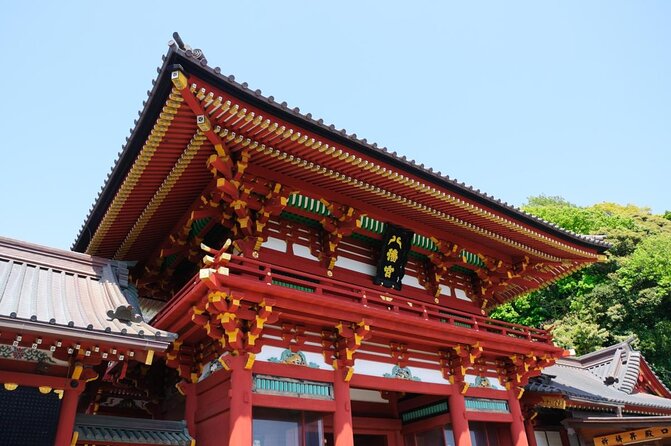
- Tsurugaoka Hachimangu may be included: The shrine overlooks the former samurai town and gives you a strong introduction to Kamakura.
- Zeniarai Benten adds a local ritual: You can wash money at this mountain shrine, where tradition says your fortune may multiply.
- The tour is private: Only your own group rides with the guide.
- Choose your vehicle size carefully: Two adults fit, but separate rickshaws may be more comfortable for larger passengers.
- The route depends on duration: Tours last roughly 30 minutes to two hours, and the finishing point can sometimes be arranged with your guide.
Why a rickshaw works well in Kamakura
Kamakura is easy to reach from Tokyo, but it is not a one-sight town. Shrines, temples, wooded paths, and older residential streets are spread through the area. Walking gives you the most freedom, but it also takes time. Cycling gives you speed, though you lose some of the relaxed view.
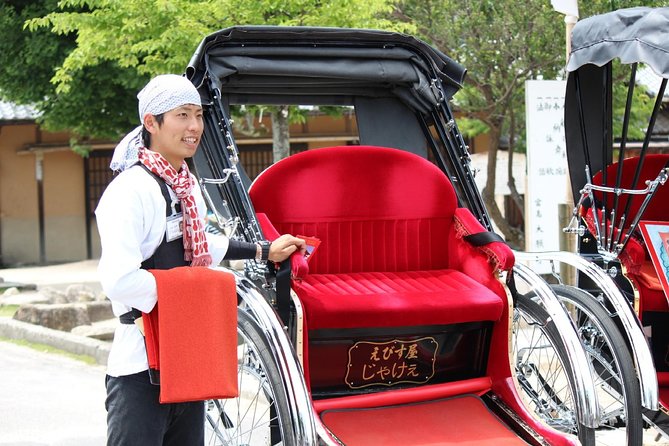
A rickshaw sits between those two choices. You can sit back while your guide handles the route, then stop for a closer look or a short explanation. The pace is slow enough to take in the surroundings and quick enough to make a 30-minute ride worthwhile.
I see this as a good first look at Kamakura rather than a replacement for exploring on foot. A short ride helps you get your bearings. A longer option gives you more time for the main shrine, the mountain shrine, and other locations selected for your tour length.
The service also reflects omotenashi, the Japanese idea of careful hospitality. In practical terms, that means your guide is there to help shape the ride, explain local customs, and show you details you might miss on your own. The exact level of English or another language depends on guide availability, so ask at the departure point if language support matters to you.
More Rickshaw Tours in Japan
- Tokyo Asakusa Rickshaw Tour
★ 5.0 · 1,375 reviews - Kyoto: Arashiyama Customized Rickshaw Tour & Bamboo Forest
★ 5.0 · 432 reviews - Kyoto Arashiyama Rickshaw Tour with Bamboo Forest
★ 5.0 · 354 reviews
Starting near Tsurugaoka Hachimangu
The ride begins at Ebisuya Kamakura RickshawJapan on Yukinoshita 1-chome, near the main Kamakura sightseeing area and public transportation. You return there on many tour options, although the final location can vary.
One likely highlight is Tsurugaoka Hachimangu Shrine, the large Shinto shrine associated with Kamakura’s samurai past. Its position overlooking the former town makes it a useful place to understand how the city is arranged. You are not simply checking off another shrine. You are seeing the religious and civic center of an old warrior capital.
The listed visit allows about 20 minutes, and admission is not included. That is enough time for a focused stop, a look at the main approach, and a few questions for your guide. It is not enough for a slow, detailed visit to every part of the grounds, so you may want to return independently if the shrine becomes your main interest.
Your guide can add value here by explaining customs and pointing out details that are easy to overlook. I would pay attention to the transition between the busy approach and the shrine grounds. The rickshaw gives you a chance to observe that change without spending your energy navigating the route yourself.
The shrine is also a practical stop for mixed-age groups. Older family members can see more of Kamakura without walking every hill, while children get a ride that feels like part of the attraction rather than just transportation.
Washing coins at Zeniarai Benten
Zeniarai Benten Shrine offers a very different mood. It is set inside a mountain area and is associated with the god of wealth. The custom here is to wash money at the shrine, with the belief that the money will multiply.
Admission is free, but bring some time and curiosity for the ritual itself. Your guide can help explain what to do and why the practice matters. This is the sort of small local tradition that can be hard to appreciate if you arrive, take a photo, and leave without context.
The stop is listed at about 20 minutes. That makes it a natural part of a longer ride, though the actual route depends on the option you choose. Ask before booking if Zeniarai Benten is essential to your plans, since a short tour cannot cover every location.
The setting also means the visit may involve more uneven or sloping ground than a simple street stop. The rickshaw reduces the amount of walking between sights, but it does not remove the need to get in and out and move around at each stop.
Temples, bamboo, and route choices
The tour information also refers to a Buddhist temple and, in one detailed account, a bamboo forest. Exact attractions depend on the duration and option you select, so you should not assume every ride includes both.
That flexibility is useful. A 30-minute tour can give you a taste of the town and a short ride through the central sights. A longer tour has room for more stops and a slower rhythm. If a bamboo forest is a priority, confirm that it belongs to your selected route rather than relying on the general tour description.
I like this approach because it lets you match the ride to your day. You might choose a brief orientation before exploring independently, or book up to two hours when you want the guide to take a larger role. The tradeoff is that the route is less predictable than a fixed sightseeing circuit.
The guide is your best source of detail on the day. Staff are described as familiar with the city and able to show things that do not always appear online. That does not mean every ride will include a secret stop. It means the value comes partly from the person guiding you, not only from the seat and wheels.
Same streets, a different route:
- Kyoto Rickshaw Tour
★ 5.0 · 210 reviews - Tokyo: Asakusa Sightseeing Tour by Rickshaw
★ 4.9 · 195 reviews - Kyoto: Private Rickshaw Tour of Gion and Higashiyama Area
★ 5.0 · 144 reviews - Otaru Rickshaw Tour
★ 5.0 · 76 reviews
What the private format means
This is a private activity, so only your group participates. That gives you more room to ask questions, adjust the pace, and discuss a possible finishing point with your guide.
A maximum of two adults can ride in one rickshaw. Up to two children age five or under may ride with two adults, but they must sit on an adult’s lap. Adult pricing applies from age six.
The practical warning is worth taking seriously. Each rickshaw is 74 centimeters wide. Two adults can fit, but the seat may feel cramped depending on your size and how long you ride. For comfort, especially on a longer tour, booking one rickshaw per person may be sensible.
If two people in your group do not fit comfortably in one rickshaw, you need to book an additional vehicle in advance. A second rickshaw with an English-speaking guide may not be available on the day. This is one of the few details that can affect the quality of the outing, so decide early rather than hoping to solve it at the stand.
The ride is not available to people in the first 16 weeks of pregnancy. Most other participants can take part, but you still need to manage the normal process of boarding, sitting, and getting out at stops.
Is $43.04 a fair price?
At about $43.04 per person, the price is not the cheapest way to move around Kamakura. You could walk between many sights, and public transportation may cost less for longer distances.
The comparison is not quite fair, though. You are paying for a private ride, a driver-guide, local explanations, and time saved between scattered attractions. For a short visit, that can be good value because you get an introduction without spending much of your day on navigation.
The value rises for a couple or small family that wants a private experience. It also makes more sense if hills, distance, or limited time would make a full walking route tiring. The value drops if you prefer to spend hours inside each shrine or temple, since the listed stops allow around 20 minutes and the rickshaw is mainly a sightseeing ride.
Group discounts may be available, adding another reason to check the final price for your party. Food and drinks are not included, and hotel pickup and drop-off are not included. Plan to reach the Kamakura meeting point yourself.
A different finishing point may also bring an extra drop-off fee, payable on the day. That can be useful if you want to continue sightseeing elsewhere, but confirm the cost with your guide before changing the standard return arrangement.
Timing, language, and booking details
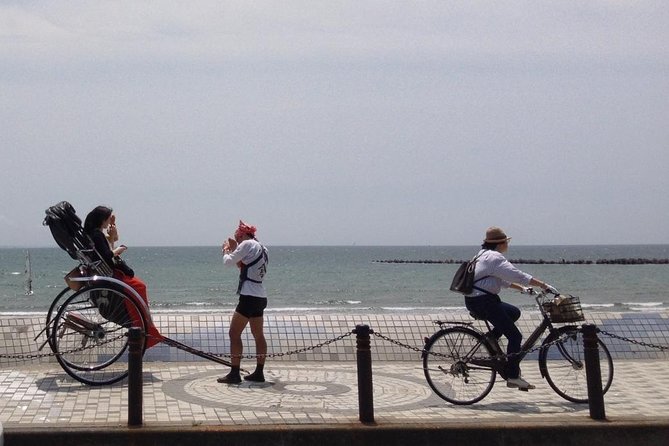
The advertised duration ranges from 30 minutes to about two hours. Do not treat that as one fixed tour length. Your selected option determines the route, stops, and likely end point.
The starting time you request is not automatically final. You receive confirmation by email within 24 hours of booking. I would avoid scheduling a tight connection immediately afterward until that time is confirmed.
A mobile ticket makes the meeting process simple, and confirmation arrives at booking. The rickshaw stand is close to public transportation, but hotel pickup is not part of the service. Allow enough time to find the Yukinoshita address before your confirmed departure.
Multilingual guides may be available. If you need a guide in a particular language, ask at the departure point. Availability is subject to the staff working that day, so language requests should be made clearly and as early as possible.
The cancellation terms are reasonable: cancel at least 24 hours before the local start time for a full refund. Cancellations or changes inside that 24-hour window are not refunded or accepted.
Who will enjoy this Kamakura ride most?
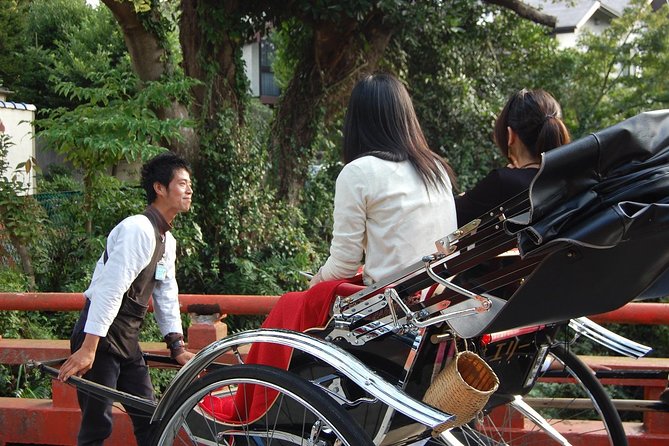
I would recommend the tour to first-time visitors who want a quick feel for Kamakura before choosing which places deserve a longer visit. It also suits families, couples, and anyone who would rather not walk the entire route between major sights.
The private format is useful for people who like questions and conversation. You can ask about customs at Zeniarai Benten, the role of Tsurugaoka Hachimangu, or the seasonal scenery passing along the road.
It is less suited to independent visitors who want complete control over every minute. The route depends on the option selected, and the main stops are relatively brief. It is also not ideal if you expect a large, roomy vehicle or need hotel transportation.
For comfort, think carefully about the seating before you pay. Two slim adults may be perfectly comfortable for a shorter ride. For larger passengers, or for a two-hour option, separate rickshaws are the safer choice.
Should you book the Kamakura Rickshaw Tour?
Book it if you want a private introduction to Kamakura, local explanations, and a relaxed way to connect sights that are spread around the town. The strongest reasons are the personal guide, the flexible duration, and the chance to experience familiar places such as Tsurugaoka Hachimangu and Zeniarai Benten at a human pace.
Choose the longer option if you want more than a quick orientation, and confirm the route if the Buddhist temple or bamboo forest matters to you. If you are watching your budget or prefer long temple visits, walking may serve you better.
For most visitors with limited time, the ride earns its price by combining transport and interpretation. Just confirm the starting time, allow for possible drop-off charges, and book enough rickshaws for comfortable seating.
FAQ
Where does the Kamakura Rickshaw Tour start?
The tour starts at Ebisuya Kamakura RickshawJapan at 1-12-3 Yukinoshita, Kamakura, Kanagawa 248-0005, near public transportation.
Where does the tour finish?
The standard finishing point is the same rickshaw stand, but the end point varies by tour option. You can also discuss a different finishing location with your guide, and an extra drop-off fee may apply.
How long does the rickshaw tour last?
The available tour durations range from about 30 minutes to two hours. The attractions and route depend on the option you select.
Are admission tickets included?
The rickshaw ride and local driver-guide are included. Admission to Tsurugaoka Hachimangu is not included, while admission to Zeniarai Benten is free.
How many people can ride in one rickshaw?
A maximum of two adults can ride in one rickshaw. Up to two children age five or under may ride with two adults if they sit on an adult’s lap. Each rickshaw is 74 centimeters wide, so separate rickshaws may be more comfortable for some passengers.
Can I cancel for a full refund?
Yes. You can receive a full refund if you cancel at least 24 hours before the experience start time. Cancellations and changes made less than 24 hours before the start are not accepted or refunded.
Just added around Japan
- Sushi Making Tokyo with Traditional Rickshaw Ride Tour in Asakusa★ 5.0 · 12 reviews
- Exiting Rickshaw ride and Kimono experience★ 5.0 · 4 reviews
- Hot Spring Capital of Yufuin Rickshaw Tour★ 5.0 · 32 reviews
- Kyoto Sagano Insider: Rickshaw and Walking Tour★ 5.0 · 15 reviews
- Kurashiki Rickshaw Tour★ 5.0 · 39 reviews
- Private 3-hour Kyoto Arashiyama Rickshaw Tour★ 5.0 · 5 reviews
- Rickshaw Tour of Kagoshima’s Historical and Cultural Sites★ 5.0 · 4 reviews
- Kamakura Heritage Bike or Walk Tour with ex-Rickshaw guide★ 5.0 · 11 reviews
Japan Tuk Tuk Tours, compared.
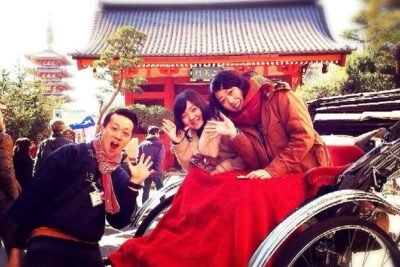
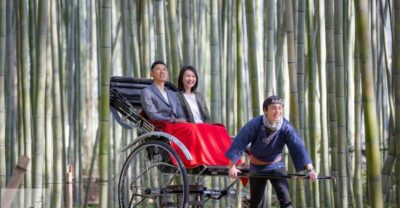
Arashiyama Customized Rickshaw Tour & Bamboo Forest
Read our review →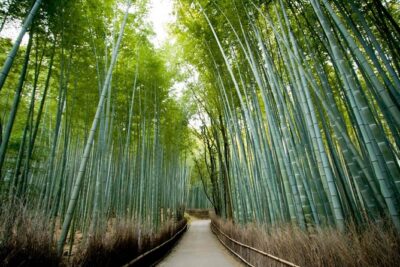
Kyoto Arashiyama Rickshaw Tour with Bamboo Forest
Read our review →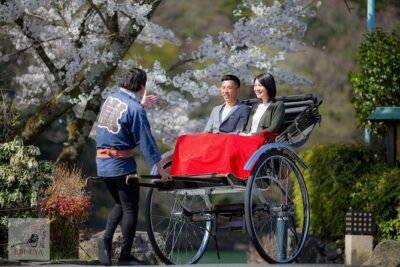
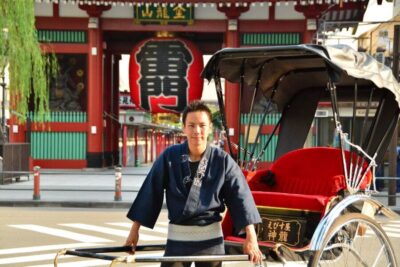
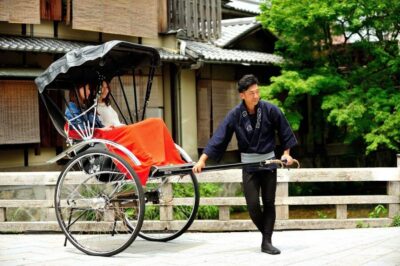
Private Rickshaw Tour of Gion and Higashiyama Area
Read our review →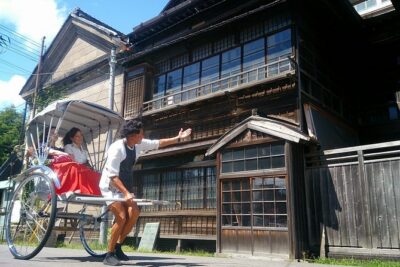
Asakusa, Tokyo: Rickshaw Experience and Highlights Walking tour
Read our review →Browse the lists this tour appears in