
Review · TOKYO
Asakusa, Tokyo: Rickshaw Experience and Highlights Walking tour
Asakusa is one of Tokyo’s best places to slow down, and this tour gives you two ways to see it: on foot through temple lanes and food streets, then from a two-person rickshaw rolling through east Asakusa. The route links the district’s major sights without asking you to figure out the order yourself.
I like the mix of Senso-ji and local streets, since you get both the famous temple and everyday Asakusa around it. I also like the small group size, capped at eight, and the chance to have a guide such as Yoko tailor explanations to your interests. The main consideration is timing: the tour leaves on schedule, and the rickshaw route cannot be chosen.
At a glance
- A 20-minute rickshaw ride: See east Asakusa from a low, open seat, with opportunities for photos and Tokyo Skytree in the background.
- The classic temple approach: Walk through Kaminarimon, Nakamise Shopping Street, and Senso-ji in one connected stretch.
- More than the postcard sights: Hanayashikidori, Nishi Sando, and Hoppy Street show Asakusa’s older shopping, dining, and entertainment side.
- Small group format: The tour accepts a maximum of eight people, making it easier to ask questions and keep together.
- A moderate walking day: Expect several hours on foot, with a rickshaw break if that option is included in your booking.
- A firm schedule: Late arrivals cannot be given extra time, and the end may run late if traffic or other delays occur.
Why this Asakusa tour works
Asakusa can feel simple on a map, but the district rewards a bit of guidance. Kaminarimon, Nakamise, Senso-ji, Hanayashiki, Nishi Sando, and Hoppy Street sit close together, yet each area has a different mood. This tour connects them in one outing, so you spend less time checking directions and more time noticing the details.
You get about three and a half hours overall. The listed stops add up to roughly three hours, and the rickshaw ride takes about 20 minutes. Since the duration is approximate, leave some space after the tour if you have a train, dinner reservation, or another timed activity.
The strongest part is the balance. This is not only a temple visit, and it is not only a sightseeing ride. You move through a major religious site, shopping streets, old-style entertainment areas, and local food districts before seeing part of Asakusa from the road.
The tour has a 4.9 rating from 47 reviews and a 98 percent recommendation rate. Those numbers suggest a reliable experience, but they do not remove the practical limits: weather can cancel the rickshaw, the route is fixed by the guide, and the walk requires a moderate level of fitness.
More Rickshaw Tours in Japan
- Tokyo Asakusa Rickshaw Tour
★ 5.0 · 1,375 reviews - Kyoto: Arashiyama Customized Rickshaw Tour & Bamboo Forest
★ 5.0 · 432 reviews - Kyoto Arashiyama Rickshaw Tour with Bamboo Forest
★ 5.0 · 354 reviews
Starting beneath the Thunder Gate
The meeting point is at 2-chōme-18-9 Kaminarimon, close to Kaminarimon Gate and public transportation. Arrive early. This is a group departure, and the guide will leave at the stated time rather than waiting for late arrivals.
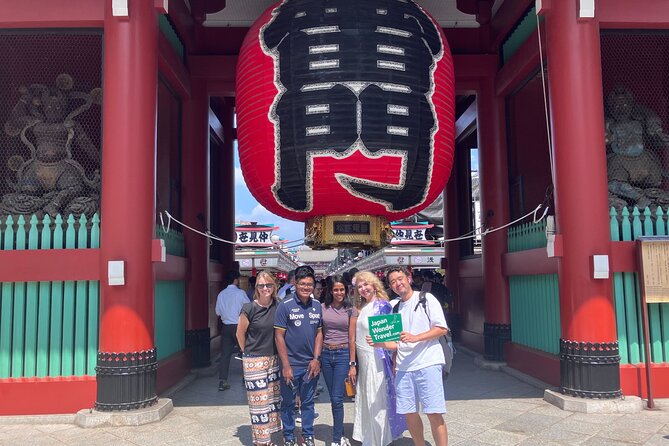
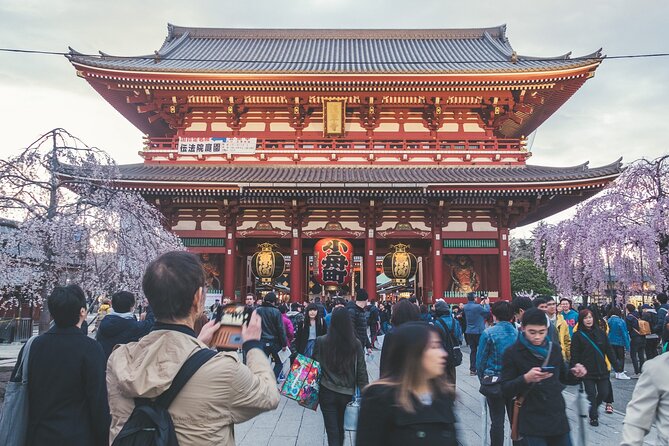
Kaminarimon is the right place to begin. Its huge red lantern makes an immediate visual mark, while the statues of Fujin and Raijin, the gods of wind and thunder, guard either side. The gate is free to visit and takes only about 10 minutes on the schedule, but it is worth taking a moment to look above the crowd and study the carved figures.
This is also your first clear signal that Asakusa is a meeting point of old and new Tokyo. The gate is grand and traditional, while the surrounding streets carry the energy of a major city. Your guide can give the entrance more context than a quick photograph would.
Following Nakamise toward Senso-ji
From Kaminarimon, you walk along Nakamise Shopping Street for about 30 minutes. This is the approach to Senso-ji, lined with small shops selling Japanese snacks, souvenirs, and crafts.
Nakamise is a shopping street, so you should expect people, displays, and plenty to look at. The advantage of seeing it with a guide is that you can focus on the character of the street instead of treating it as a corridor to hurry through. If you want to buy something, keep in mind that shopping time can easily stretch beyond the scheduled half hour.
The street also works as a gradual introduction to Senso-ji. Rather than stepping straight from a train station into a temple courtyard, you pass through a commercial approach that has long served people heading to the temple. It gives the visit a sense of arrival.
Spending time at Senso-ji
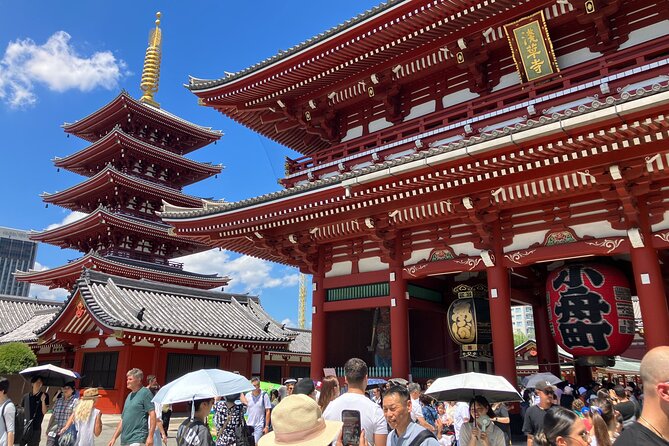
The tour allows about 50 minutes at Senso-ji, the oldest and best-known temple in Tokyo. The temple is dedicated to Kannon, the goddess of mercy, and its large entrance area makes it one of Asakusa’s most recognizable sights.
This is the longest single stop, and that is sensible. You have time to look around rather than take one photograph and move on. The temple can be busy, so a guide is useful for keeping the group organized and pointing out what matters.
You should also understand what this tour does not promise. It is not a private temple study session or a long religious lecture. The time is shared across the broader Asakusa route. If Senso-ji is your main reason for visiting, you may want to return on your own later for a slower look.
A guide can also help you connect the temple to the streets around it. That connection is important here. Senso-ji is not isolated behind a quiet wall. It is part of the daily life of Asakusa, surrounded by food, shops, amusement, and nightlife.
Same streets, a different route:
- Kyoto Rickshaw Tour
★ 5.0 · 210 reviews - Tokyo: Asakusa Sightseeing Tour by Rickshaw
★ 4.9 · 195 reviews - Kyoto: Private Rickshaw Tour of Gion and Higashiyama Area
★ 5.0 · 144 reviews - Otaru Rickshaw Tour
★ 5.0 · 76 reviews
The nostalgic side of Hanayashikidori
Hanayashikidori gets about 20 minutes. The street sits near Senso-ji and takes its name from Hanayashiki, Japan’s oldest amusement park, which is nearby.
The area offers a different feel from the formal temple approach. You find shops, restaurants, cafes, traditional snacks, souvenirs, and local foods. It is a good place to notice Asakusa’s nostalgic side, especially if you enjoy older entertainment districts more than polished shopping centers.
Twenty minutes is enough for an introduction, but not enough for a full meal or serious shopping. Treat this as a guided look at the neighborhood. If something catches your eye, note the location and return after the tour.
Lanterns and wooden storefronts on Nishi Sando
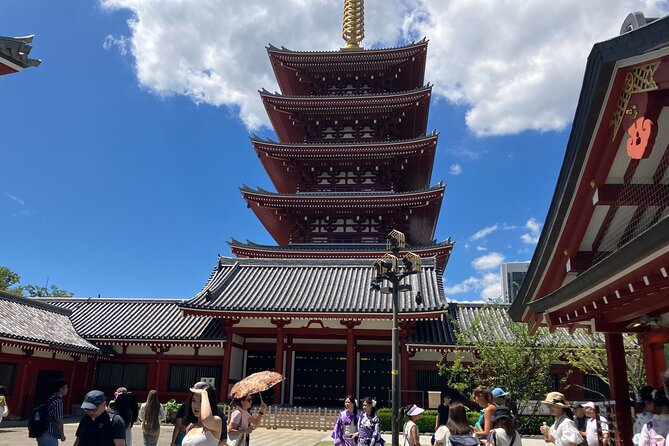
Asakusa Nishi Sando, or the West Approach, leads toward the western side of Senso-ji. The tour gives you about 30 minutes here.
This street is known for traditional crafts, local snacks, souvenirs, lanterns, and wooden storefronts. I like this stop because it adds texture to the temple visit. You see a more intimate shopping street, rather than only the main route that every first-time visitor follows.
The pace should suit anyone who wants to look closely. You might find a craft item or snack that feels more tied to the neighborhood than a standard city souvenir. Still, the tour does not include purchases or food, so budget separately if you want to sample something.
Food and nightlife around Hoppy Street
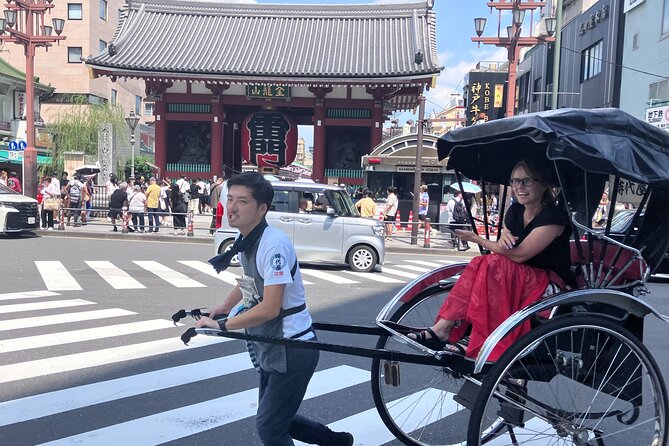
Hoppy Street receives about 20 minutes. It is known for izakayas, Japanese-style pubs, and the local drink called Hoppy. You may also see familiar pub foods such as yakitori and oden.
The street is especially useful for understanding Asakusa beyond daytime temple sightseeing. It has a relaxed, social atmosphere, and the small pubs give the area a lived-in character. You will not have much time for a full evening here, but the stop can help you decide if you want to return later for food.
Do not expect the tour to turn into a bar crawl. The visit is brief and part of a walking route. If you want to eat, drink, or stay out after dark, plan a separate visit and check the tour’s ending time first.
The rickshaw ride through east Asakusa
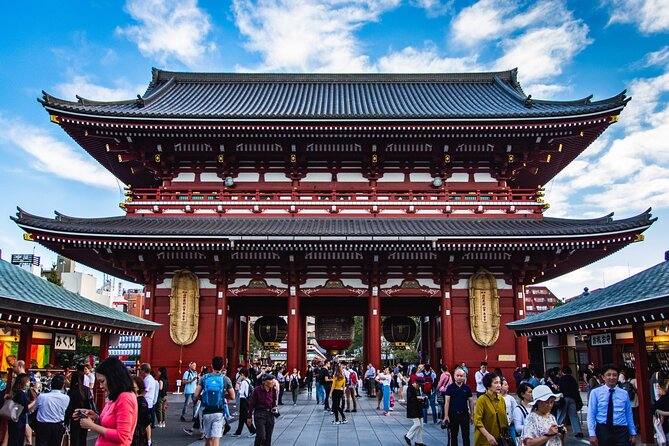
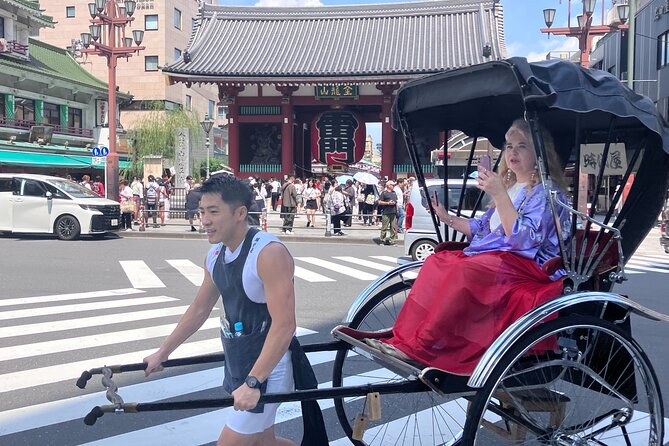
The rickshaw option lasts about 20 minutes and takes you through the eastern part of Asakusa. The stated highlight is the chance to photograph the Tokyo Skytree from the rickshaw.
A rickshaw gives you a different view from walking. You sit while the driver handles the movement, so you can watch the streets and focus on photographs without checking a map. The open vehicle also makes the ride feel tied to Asakusa rather than like a standard enclosed transfer.
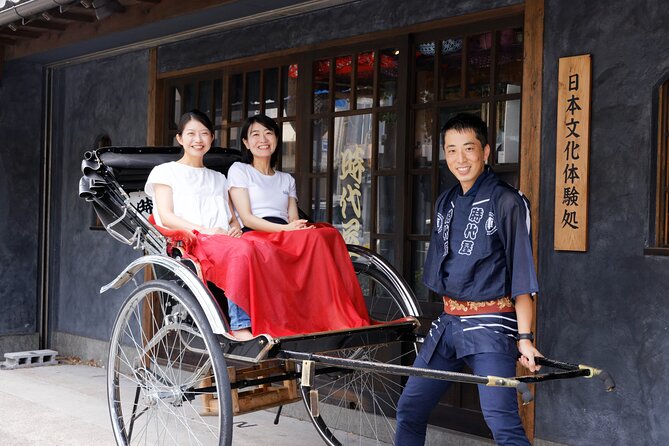
The rickshaw is built for two people. If you book alone, you ride alone, and you will not be paired with another customer. The vehicle assignment is arranged according to the number of people in the reservation.
There are two limits to understand before paying. You cannot select the exact rickshaw route, and the ride may not operate because of weather, traffic, or another operating issue. In that case, the activity can be cancelled. Follow the driver’s instructions during the ride, especially when stopping for photographs or moving through traffic.
The supplied tour details refer to the rickshaw as an option, so check that your selected booking includes it. The $35 price is attractive if the ride is part of your chosen package, since you also receive a guided walk through several major Asakusa areas. If the rickshaw is an add-on, compare the final total with your priorities. The walking route alone still covers a lot, but the ride is the experience’s most distinctive feature.
What $35 buys you
At $35 per person, this is priced as an accessible introduction to Asakusa rather than a luxury private tour. You are paying for a guide, a planned route, a small group of no more than eight, and, if selected, a short rickshaw ride.
The value is strongest for a first visit. You see the key temple entrance, shopping streets, Senso-ji, old amusement district surroundings, a local pub street, and a Skytree photo area in one organized outing. You also avoid spending your first afternoon working out how the parts fit together.
The value is less obvious if you already know Asakusa well or want a slow, independent day. The schedule moves through many places, and each stop has a set amount of time. You may prefer to spend an hour at Senso-ji, stop for a meal on Hoppy Street, or shop without watching the clock.
You should also treat the price as separate from food and purchases. Admission to the listed stops is free, but snacks, drinks, and souvenirs cost extra.
Guide style and group size
The small group limit matters in a district that can become crowded around Kaminarimon and Senso-ji. With no more than eight people, the guide has a better chance of keeping everyone together and answering questions.
Yoko receives particular praise for explaining the area clearly and adjusting the tour to the group’s needs. She also offers ideas for other things to do in Tokyo, which can be useful early in a trip when you are still shaping your plans.
That said, guide assignments can vary. Yoko’s style gives you a useful benchmark, but you should not assume she will lead every departure. The experience is a group tour, not a private custom itinerary.
Timing, walking, and practical planning
You need a moderate level of fitness. The route includes several walking stops, standing around popular sights, and moving through shopping streets. The rickshaw provides a short seated break, but it does not turn the whole activity into a low-walking tour.
Wear shoes you can comfortably use for several hours. Arrive at the Kaminarimon meeting point before departure, since late arrivals cannot extend the tour. The activity ends back at the meeting point, which makes it easier to continue exploring Asakusa afterward.
Do not place a tight appointment immediately after the tour. The end can be delayed, and the stated three and a half hours is approximate. If you have a reservation, tell the operator in advance, but keep enough time in your own schedule.
The mobile ticket is convenient, and confirmation arrives when you book. The cancellation policy is strict: the booking is non-refundable and cannot be changed for any reason. Only book once your date, arrival time, and rickshaw selection are settled.
Who should book this experience
I would choose this tour for a first-time Tokyo visit, especially if you want a guided introduction without spending a full day on one temple complex. It suits couples and solo participants alike, since solo customers ride alone rather than sharing with another booking.
It also fits photographers and anyone who likes a mix of famous sights and neighborhood streets. The Skytree backdrop, red Kaminarimon lantern, temple grounds, lantern-lit Nishi Sando, and old pub street give you varied photo settings.
Families and older adults should consider the walking requirement and the firm schedule. The tour may work well if everyone can manage a moderate amount of walking, but it is not presented as an accessible or mobility-focused experience.
Independent explorers may find the route too structured. You will not choose the rickshaw path, and you will have only set periods at the shopping and food streets. If you want maximum freedom, use the tour as an orientation, then return to the areas you like.
Should you book the Asakusa rickshaw tour?
Book it if you want one organized introduction to Asakusa with a short, memorable rickshaw ride included. The $35 price is fair for the amount of ground covered, particularly for a first visit and a small group capped at eight.
Skip it if you need a fully flexible day, dislike fixed departure times, or have a non-refundable schedule that cannot tolerate weather or traffic changes. Before booking, confirm that the rickshaw option is included, arrive early, and leave open time afterward.
For most first-time visitors who want the major sights plus a glimpse of old Asakusa, this is a practical choice. The temple is the anchor, but the food streets, craft shops, and rickshaw ride are what give the outing its local flavor.
FAQ
How long does the Asakusa tour last?
The experience lasts approximately 3 hours and 30 minutes.
Where does the tour start?
It starts at 2-chōme-18-9 Kaminarimon, Taito City, Tokyo 111-0034, Japan.
Where does the tour finish?
The activity ends back at the meeting point.
Does the tour include a rickshaw ride?
The rickshaw is listed as an option. If selected, the ride lasts about 20 minutes and travels through east Asakusa.
How many people can join the tour?
The tour has a maximum of eight participants.
Can I choose the rickshaw route?
No. The rickshaw route cannot be specified in advance.
How many people fit in one rickshaw?
The rickshaw is a two-person vehicle. A solo participant rides alone and does not share with another booking.
What happens if the rickshaw cannot operate?
The rickshaw may not operate because of weather, traffic, or another reason. In such cases, the tour may be cancelled.
Do I need to arrive before the scheduled departure?
Yes. The group leaves at departure time, and a late arrival does not extend the tour.
Can I cancel or change my booking?
No. The activity is non-refundable and cannot be changed for any reason.
More Walking Tours in Japan
- Kyoto Sagano Insider: Rickshaw and Walking Tour
★ 5.0 · 15 reviews - Kamakura Heritage Bike or Walk Tour with ex-Rickshaw guide
★ 5.0 · 11 reviews - Tokyo: Asakusa Highlights Walking (OP : Rickshaw Experience)
★ 3.5 · 4 reviews - Old Delhi Food, Heritage&Cultural Walk with Rickshaw ride to Masterji Kee Haveli
★ 5.0 · 742 reviews
Just added around Japan
- Sushi Making Tokyo with Traditional Rickshaw Ride Tour in Asakusa★ 5.0 · 12 reviews
- Exiting Rickshaw ride and Kimono experience★ 5.0 · 4 reviews
- Hot Spring Capital of Yufuin Rickshaw Tour★ 5.0 · 32 reviews
- Kyoto Sagano Insider: Rickshaw and Walking Tour★ 5.0 · 15 reviews
- Kurashiki Rickshaw Tour★ 5.0 · 39 reviews
- Private 3-hour Kyoto Arashiyama Rickshaw Tour★ 5.0 · 5 reviews
- Kamakura Rickshaw Tour★ 5.0 · 53 reviews
- Rickshaw Tour of Kagoshima’s Historical and Cultural Sites★ 5.0 · 4 reviews
Tokyo Tuk Tuk Tours, compared.
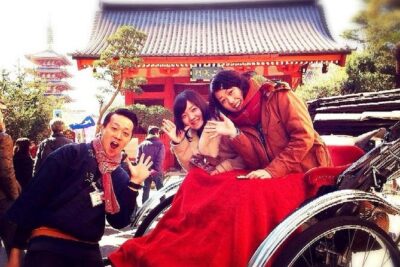
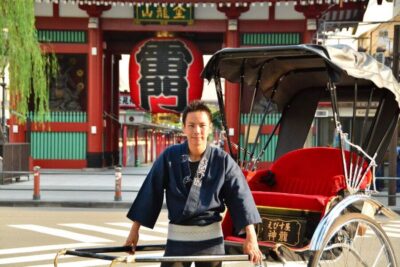
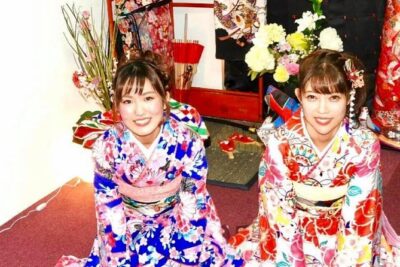
Ride a rickshaw wearing a kimono in Asakusa! Enjoy authentic traditional culture!
Read our review →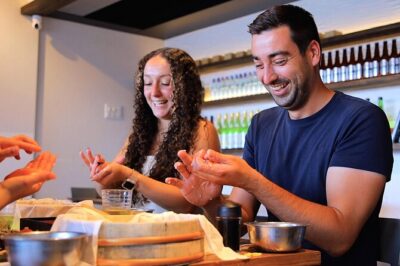
Sushi Making Tokyo with Traditional Rickshaw Ride Tour in Asakusa
Read our review →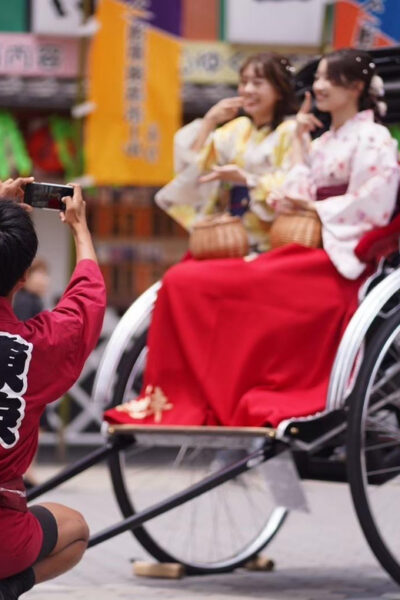
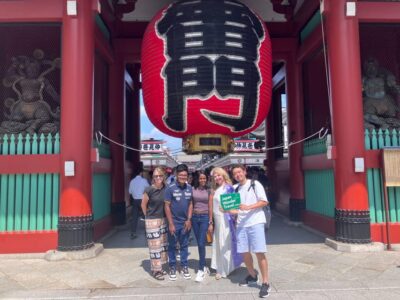
Asakusa Highlights Walking (OP : Rickshaw Experience)
Read our review →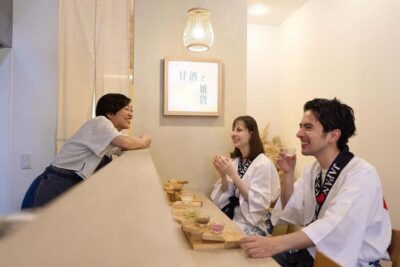
Tokyo Vegan Tour : Miso Making, Tea Ceremony, Rickshaw Ride
Read our review →Browse the lists this tour appears in