
Review · KYOTO
Higashiyama | Kyoto: Sakura Season Private Rickshaw Tour
Kyoto’s cherry blossoms are lovely from any street, but a rickshaw gives you a better view of the old city without asking you to navigate every crowded lane on foot. This private ride takes you through Higashiyama and Gion, where wooden townhouses, small shops, riverside scenes, and pale pink blossoms create one of Kyoto’s most recognizable settings.
I like the personal pace and the guide’s local storytelling, especially the explanations of geisha culture and the neighborhood’s traditional buildings. I also like the choice of a 70-minute route or a 120-minute outing that includes time to walk around Kiyomizu-Dera Temple. The main drawback is timing: cherry blossoms do not follow a fixed calendar, so full bloom cannot be promised.
Key points to know before booking
- A private ride through old Kyoto: One rickshaw carries one or two participants, giving you direct time with your guide.
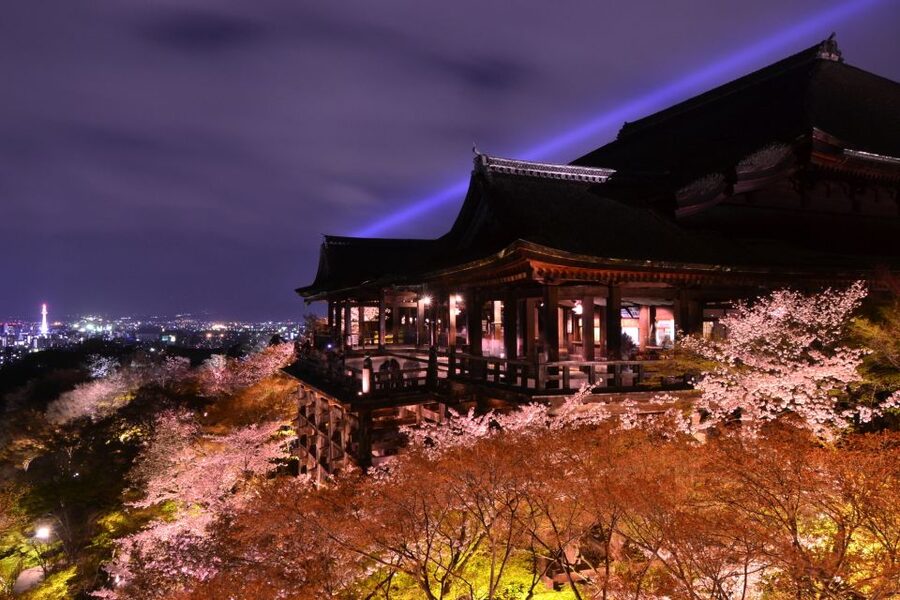
- The 120-minute option includes Kiyomizu-Dera: The longer route adds a stop where you can walk among the blossoms near the World Heritage temple.
- Guides explain more than directions: English and Japanese-speaking guides share neighborhood stories, including details about geisha culture.
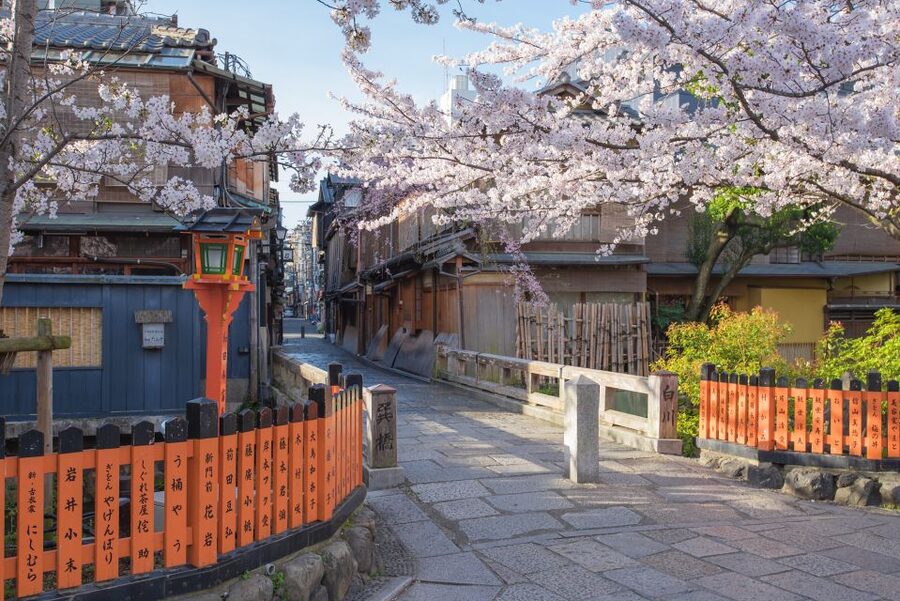
- Photo stops are built in: You can pause at attractive blossom, riverside, and traditional street scenes.
- Sakura timing is never certain: Dates are chosen using earlier bloom patterns and current estimates, but nature makes no guarantees.
- The rickshaw is narrow: Each vehicle is 21.1 inches, or 74 centimeters, wide, which can make separate rickshaws more comfortable for some groups.
Why a rickshaw suits Higashiyama
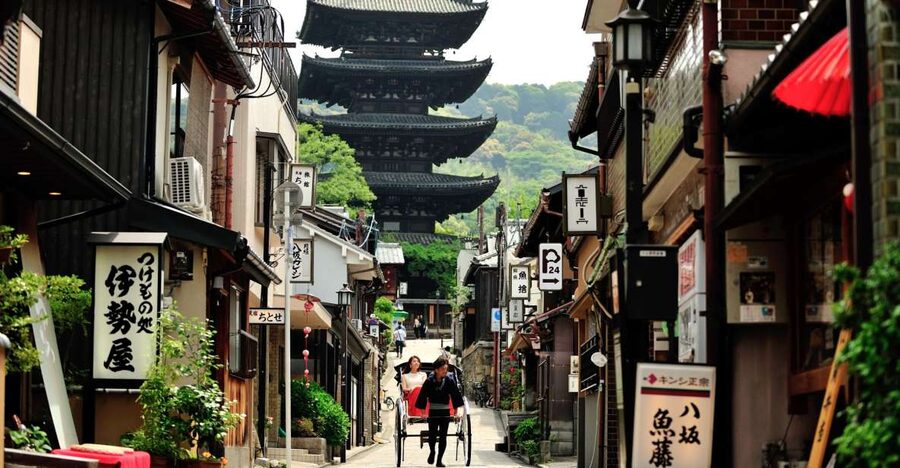
Higashiyama is best appreciated slowly. The area is filled with old wooden townhouses, traditional shops, sloping lanes, and small details that are easy to miss when you are focused on a map or trying to keep up with a group.
A rickshaw solves that problem. You sit back while the guide pulls you through the historic district, pointing out features along the way and stopping for photographs. You are not sealed inside a vehicle, so you still feel part of the street scene. At the same time, you avoid spending the entire outing on foot.
This is a private experience, not a large shared tour. That matters in Kyoto, where narrow streets and popular blossom spots can make a fixed group feel slow. Your guide can speak directly to you, adjust the explanation to your interests, and help with photos at the planned stops.
The ride is also a good introduction to Higashiyama. If this is your first time in the district, you get a broad look at the area before deciding which lanes, temples, or shops deserve a longer visit later.
More Rickshaw Tours in Japan
- Tokyo Asakusa Rickshaw Tour
★ 5.0 · 1,375 reviews - Kyoto: Arashiyama Customized Rickshaw Tour & Bamboo Forest
★ 5.0 · 432 reviews - Kyoto Arashiyama Rickshaw Tour with Bamboo Forest
★ 5.0 · 354 reviews
Entering Higashiyama near Ichinenzaka
The meeting point is on the corner of Ichinenzaka and Nene Street. Your guide will be standing there, and you should check your email for the map and photograph showing the exact place. Searching for Ebisuya Higashiyama Rickshaw on Google Maps can also help you locate the operator.
This is a useful meeting area because it places you close to the traditional streets that make Higashiyama special. Expect an old Kyoto setting rather than a wide transport hub or modern plaza. Give yourself enough time to find the corner, especially if you are arriving from another part of the city.
Once seated, your guide begins the ride through the neighborhood. The route focuses on the atmosphere of old Kyoto: wooden townhouses, traditional storefronts, and streets where the city’s older character is still easy to see.
The rickshaw’s open design gives you clear views above the street. During sakura season, that means you can look up at branches and blossom clusters instead of seeing them only from below while walking. The guide can also suggest when to pause for a picture, which is helpful when the best view is a quick angle between buildings or along a narrow street.
Wooden townhouses, shops, and old Kyoto details
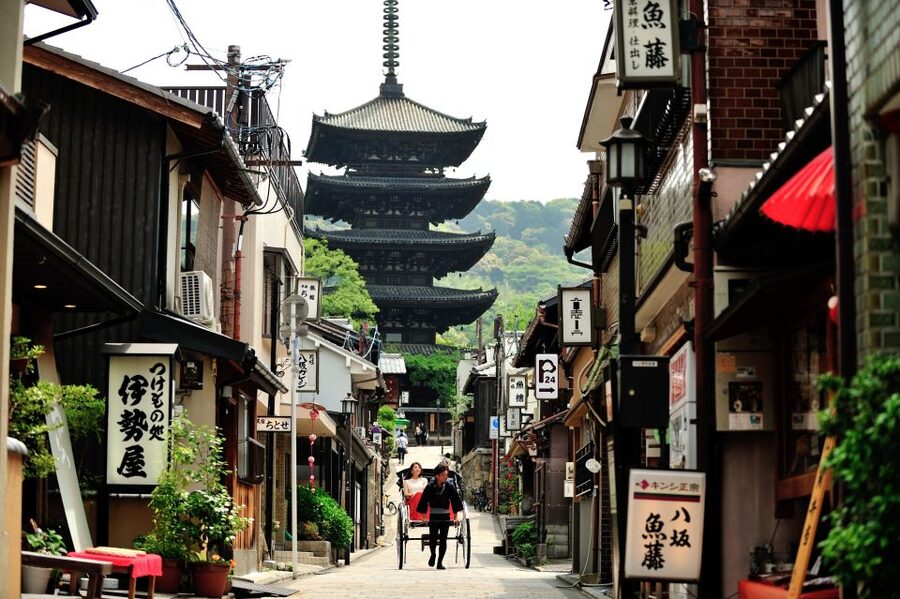
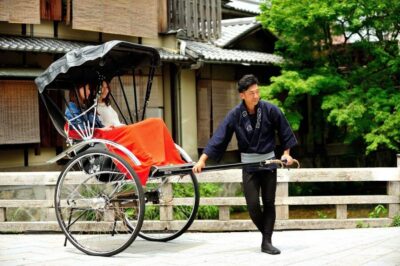
Higashiyama’s wooden townhouses are one of the strongest reasons to choose this outing. Their narrow fronts and traditional styling give the district a distinct look, and the rickshaw moves slowly enough for you to take it in.
You pass shops and buildings that help explain how the area developed as a historic part of Kyoto. The tour does not simply carry you from one famous landmark to another. Much of its appeal comes from the spaces between the landmarks, where the architecture and street layout create the mood.
I would pay attention to the guide’s comments here. The best part of the ride may be a small detail you would otherwise pass without understanding. The English-speaking guides are described as clear communicators who explain the neighborhood well, and the guide can add stories about local customs and geisha culture as you move through the area.
That storytelling is especially useful in Gion. Without context, it is easy to reduce the district to pretty wooden façades and hopes of spotting a geisha. A guide gives you a more respectful way to understand the area, its traditions, and the difference between what you see in daily life and what you may have heard about Kyoto’s entertainment districts.
Passing through Gion and its geisha district
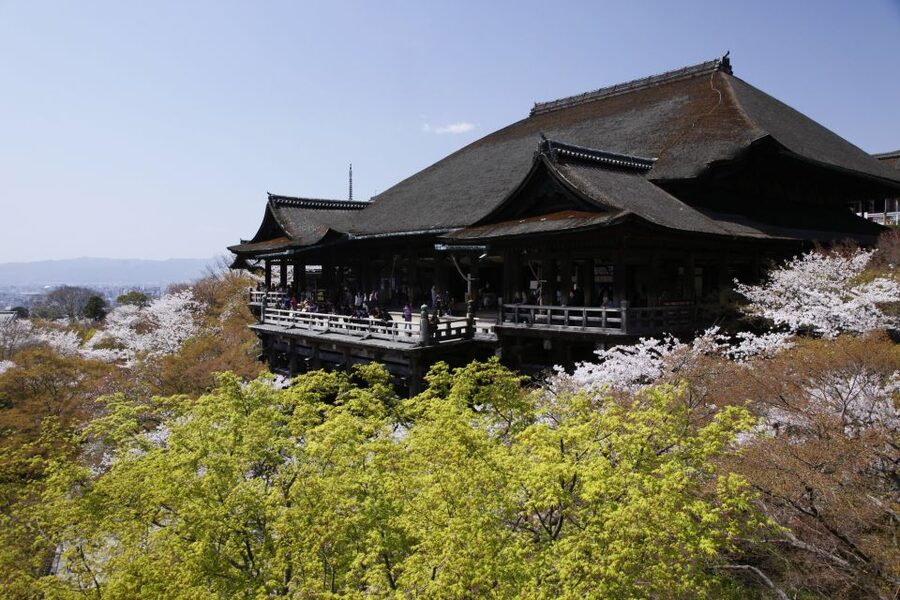
The route includes the Gion area, one of Kyoto’s best-known traditional districts. Here, the ride shifts from the quieter feel of Higashiyama lanes to streets connected with geisha culture and old-style entertainment.
Your guide can explain what you are seeing rather than leaving you to guess. This is one of the parts of the tour that adds real value. A short ride through Gion is pleasant, but a clear explanation of the area’s culture gives the scenery more meaning.
Keep your camera ready, but stay aware of the surroundings. The supplied rules prohibit selfie sticks, so plan to use a phone or camera without one. Your guide can help with photographs at designated stops, which is more practical than trying to take awkward shots from the moving rickshaw.
The ride is not designed as a long walking exploration of every Gion lane. Think of it as a guided introduction, with enough time for views and stories. If you want to study the district in detail, you will still need time on foot before or after the tour.
Same streets, a different route:
- Kyoto Rickshaw Tour
★ 5.0 · 210 reviews - Tokyo: Asakusa Sightseeing Tour by Rickshaw
★ 4.9 · 195 reviews - Kyoto: Private Rickshaw Tour of Gion and Higashiyama Area
★ 5.0 · 144 reviews - Otaru Rickshaw Tour
★ 5.0 · 76 reviews
Cherry blossoms and the limits of sakura timing
The entire outing is built around Kyoto’s cherry blossom season, when trees can turn streets and temple grounds into soft pink and white scenes. The rickshaw offers an easy way to take in that display from several angles, including traditional streets and riverside areas.
The important caution is simple: full bloom is not guaranteed. The available dates are selected using previous years and estimates for the current year, but blossoms can open early, late, or unevenly. A reservation for a blossom-season date is not a promise that every tree will be at its peak.
I would book this for the seasonal setting, not for a guaranteed flower photograph. Even outside the exact peak, the historic neighborhood, traditional buildings, and guide’s commentary remain part of the experience. Still, if full bloom is your main reason for booking, keep your expectations flexible.
Photo stops make the uncertainty easier to manage. Your guide can take you to attractive spots and pause long enough for pictures rather than forcing you to photograph the scenery while moving. The most appealing scenes may include blossom branches over old streets, riverside views, and the contrast between pale flowers and dark wooden buildings.
The 70-minute route or the 120-minute route
The shorter option lasts about 70 minutes. It is a sensible choice if you want a compact introduction to Higashiyama and Gion, or if you have other temple visits and reservations planned for the same day.
In 70 minutes, you get the basic experience: a private rickshaw, a guide, historic streets, cherry blossom views, traditional houses, and planned photo stops. It should suit you if your priority is seeing the neighborhood from a comfortable seat rather than spending a large part of the day on one activity.
The longer option lasts about 120 minutes and includes a stop to walk amid the cherry blossoms at Kiyomizu-Dera Temple. This changes the rhythm of the outing. You are not only riding past the temple area, you also have time to leave the rickshaw and experience the setting on foot.
Kiyomizu-Dera is a World Heritage site, and adding it makes the longer route more useful for a first visit to this part of Kyoto. You get transportation through the surrounding historic district plus a closer look at one of its major attractions.
The longer tour costs more in time, not only money. Kiyomizu-Dera and Higashiyama can be busy, and walking around the temple area may feel less relaxed during peak blossom dates. Choose 120 minutes if you want the temple stop and a fuller neighborhood experience. Choose 70 minutes if you value a quick overview or already have a packed Kyoto schedule.
What the private format means for couples and families
The stated price is $125 per group up to one, so check the booking screen carefully to see how the final cost applies to your party. One rickshaw is provided for one or two participants, and each rickshaw can carry a maximum of two adults.
For three or four participants, two rickshaws are provided. If you have five or more people, or want one rickshaw per person, you need to contact the provider for alternative arrangements, and a fare difference may apply.
The vehicle is 21.1 inches, or 74 centimeters, wide. That is a narrow seat. Two adults may fit, but some people will be more comfortable booking individual rickshaws when possible. This is worth considering for anyone who dislikes close seating or needs extra room.
Families should read the age rules closely. Participant or adult pricing applies to children aged six and above. Up to two children aged five and under can ride with two adults if they sit on an adult’s lap. If a child aged five or younger uses one of the two seats, that child must be booked as a full-fare participant.
The rickshaw is wheelchair and stroller-friendly, which broadens its usefulness. However, the ride is not recommended for people with back problems, and pregnant women should not take it. The supplied information also says it is not recommended during the first 16 weeks of pregnancy. If either concern applies to you, choose a different way to see Higashiyama.
The guides and the value of local explanation
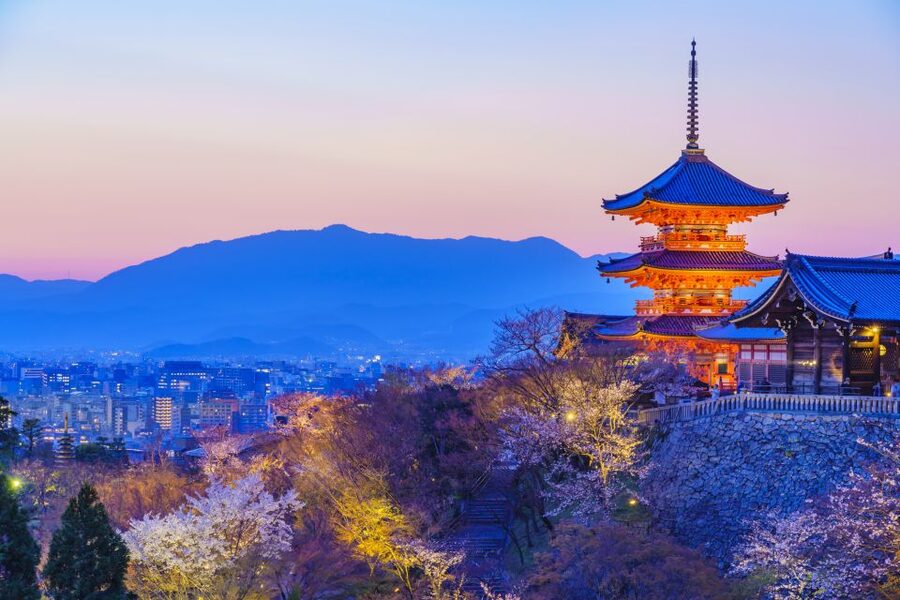
A good rickshaw outing depends heavily on the guide. Here, the guide speaks English or Japanese, and the strongest practical point is communication. You need to understand the route, hear the cultural explanation, and be able to ask questions during a private ride.
The English guidance is described as strong, with attention to small details and clear explanations of geisha culture. That makes this more than a scenic taxi ride. You have someone interpreting the neighborhood while you move through it.
The guide also controls the photo stops and helps you make the most of the short time available. On a self-guided walk, you might pass a promising view, stop in the wrong place, or spend too long looking for the next street. The rickshaw keeps the outing focused.
Of course, a private guide cannot control the weather, crowds, or blossom timing. The ride is best seen as a guided way into Kyoto’s old districts, not a guarantee of perfect conditions. That distinction helps you judge the price fairly.
Is $125 a fair price?
At $125 for a group up to one, the cost needs careful checking against your party size and selected duration. It is not the cheapest way to move around Kyoto, but you are paying for a private guide, a rickshaw, photo stops, and a planned route through some of the city’s most sought-after historic streets.
The value is strongest for two people sharing one rickshaw. You receive personal commentary instead of a standard large-group presentation, and you avoid arranging your own route through Higashiyama. The 120-minute option offers more value if Kiyomizu-Dera is already on your list, since the outing includes time to walk around the temple area.
For solo visitors, the price may feel less attractive because the private format does not have another person to share the cost with. Still, the experience can be worthwhile if you want help with photography, neighborhood context, and a comfortable introduction to Kyoto’s old center.
I would compare it with the cost of a private guide plus the time and effort of arranging the same route yourself. If your main goal is simply to see cherry blossoms at no extra cost, walking is the budget choice. If you want a polished, personal introduction to Higashiyama and Gion, the price is easier to justify.
Practical details that can affect your day
You meet the guide at the appointed corner rather than being collected from your hotel. Hotel pickup and drop-off are not included, so allow time to reach Ichinenzaka and Nene Street on your own.
Food and drinks are also not included. Plan to eat before or after the ride, or use your wider Kyoto schedule to add a meal nearby. The tour itself is focused on sightseeing, conversation, and photographs.
You can cancel up to 24 hours before the activity for a full refund, and the reserve-now, pay-later option lets you hold a place without paying immediately. Starting times vary, so check availability for your date.
Do not bring a selfie stick. It is specifically not allowed, and the narrow vehicle already gives you limited room for extra equipment. A regular phone or camera is the simpler choice.
Who should book this Kyoto rickshaw ride?
I would recommend it to couples who want a private seasonal outing, first-time visitors who want an easy introduction to Higashiyama, and families who prefer a seated sightseeing option. It also suits anyone who wants a guide to explain the local buildings and geisha culture instead of simply passing through with a camera.
The 120-minute version is the better pick if Kiyomizu-Dera is important to you. The 70-minute option works well for a shorter day, a first look at the district, or a schedule that already includes several temples.
I would be more cautious if you have back problems, are pregnant, dislike close seating, or need guaranteed peak cherry blossoms. The flower timing is outside anyone’s control, and the rickshaw’s narrow width may not suit every adult.
Should you book it?
Book this experience if you want a personal, story-led look at Kyoto’s old streets during blossom season. Its best features are the private format, clear guide communication, useful geisha-culture context, and photo stops among Higashiyama’s wooden townhouses and riverside views.
Choose the longer route if you want Kiyomizu-Dera included. Choose the shorter route if you want a focused ride and more time for your own plans. Most of all, book with flexible expectations about the flowers. You are paying for a guided visit to a beautiful historic district during sakura season, not for a guaranteed full-bloom show.
FAQ
Where does the rickshaw tour meet?
The meeting point is on the corner of Ichinenzaka and Nene Street. You should check your email for the map and photograph of the meeting place. You can also search for Ebisuya Higashiyama Rickshaw on Google Maps.
How long does the tour last?
You can choose a tour lasting about 70 minutes or a longer option lasting about 120 minutes. Available starting times depend on the date you select.
Does the tour include Kiyomizu-Dera Temple?
The 120-minute option includes a stop to walk among the cherry blossoms at World Heritage Kiyomizu-Dera Temple. The 70-minute option is the shorter neighborhood route.
Is the rickshaw private?
Yes. The activity is arranged as a private group experience with a guide. One rickshaw is provided for one or two participants.
How many people can ride in one rickshaw?
A maximum of two adults can ride in one rickshaw. Up to two children aged five and under can ride with two adults if they sit on an adult’s lap.
Can children ride the rickshaw?
Children aged six and above use participant or adult pricing. A child aged five or younger can ride on an adult’s lap, but if the child uses one of the two rickshaw seats, the child must be booked as a full-fare participant.
Are cherry blossoms guaranteed to be in full bloom?
No. The dates are selected using previous years and current estimates, but full bloom cannot be guaranteed.
Is the tour suitable for people using wheelchairs or strollers?
The activity is wheelchair and stroller-friendly. It is not recommended for people with back problems or for pregnant women, including during the first 16 weeks of pregnancy.
Just added around Japan
- Sushi Making Tokyo with Traditional Rickshaw Ride Tour in Asakusa★ 5.0 · 12 reviews
- Exiting Rickshaw ride and Kimono experience★ 5.0 · 4 reviews
- Hot Spring Capital of Yufuin Rickshaw Tour★ 5.0 · 32 reviews
- Kyoto Sagano Insider: Rickshaw and Walking Tour★ 5.0 · 15 reviews
- Kurashiki Rickshaw Tour★ 5.0 · 39 reviews
- Private 3-hour Kyoto Arashiyama Rickshaw Tour★ 5.0 · 5 reviews
- Kamakura Rickshaw Tour★ 5.0 · 53 reviews
- Rickshaw Tour of Kagoshima’s Historical and Cultural Sites★ 5.0 · 4 reviews
Kyoto Tuk Tuk Tours, compared.
Arashiyama Customized Rickshaw Tour & Bamboo Forest
Read our review →
Kyoto Arashiyama Rickshaw Tour with Bamboo Forest
Read our review →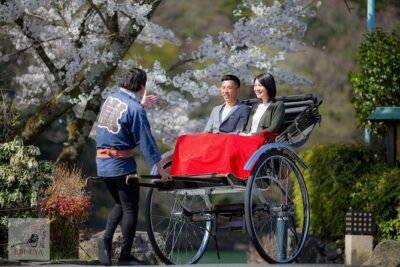
Private Rickshaw Tour of Gion and Higashiyama Area
Read our review →
Kyoto Sagano Insider: Rickshaw and Walking Tour
Read our review →
Kiyomizu-dera Temple Rent a kimono and ride a rickshaw
Read our review →
Browse the lists this tour appears in